
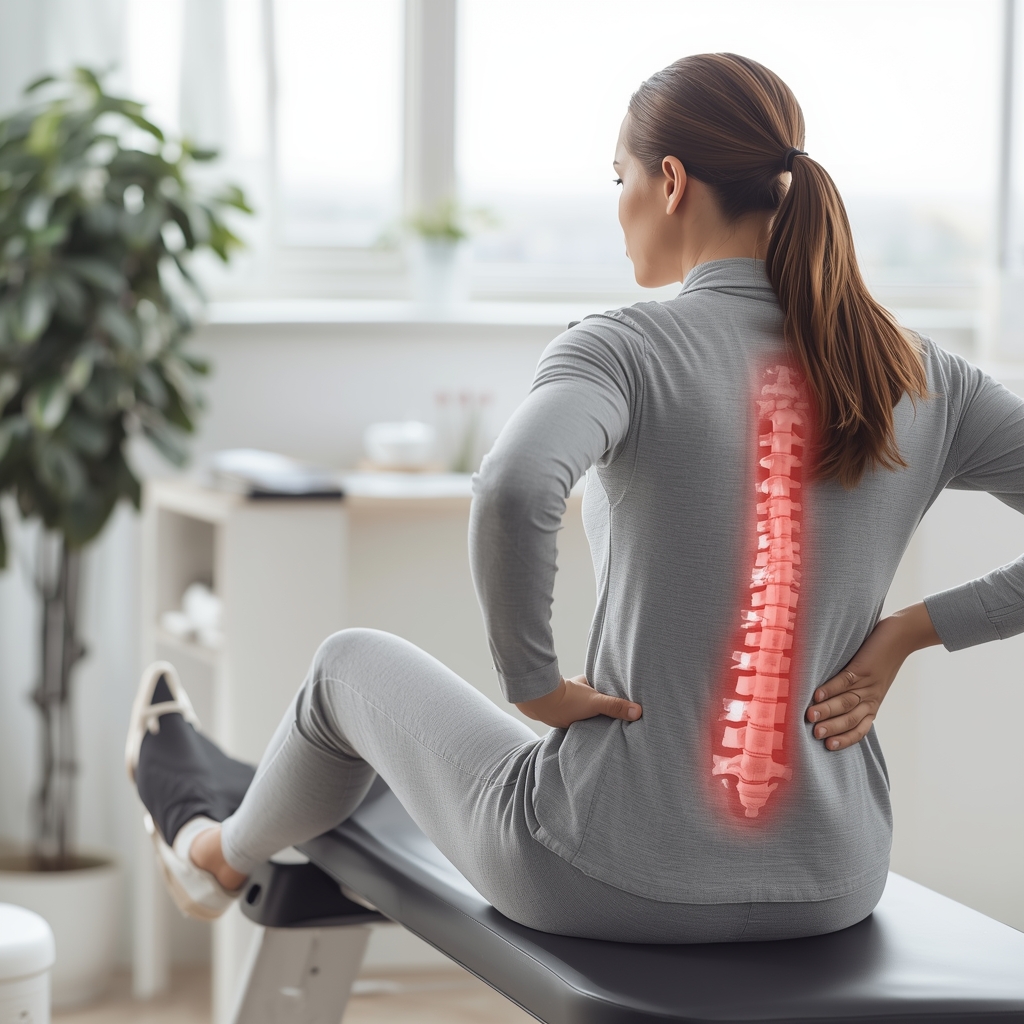
Understanding Spinal Stenosis and Leg Pain
Spinal stenosis occurs when the spinal canal narrows, compressing nerves and causing pain, numbness, or weakness in the legs. This condition often affects the lower back (lumbar stenosis) or neck (cervical stenosis), with leg pain being a common symptom due to nerve irritation. While surgery is an option for severe cases, many patients seek non-invasive chiropractic approaches to manage discomfort and improve mobility. These methods focus on reducing pressure on nerves, enhancing spinal alignment, and promoting natural healing without surgical intervention. Understanding the underlying mechanisms of spinal stenosis helps patients and providers explore tailored, conservative treatments that prioritize long-term wellness.
Chiropractic Adjustments for Spinal Alignment
Spinal adjustments, a cornerstone of chiropractic care, aim to restore proper alignment and function to the vertebrae. For spinal stenosis, these adjustments may help alleviate pressure on compressed nerves, potentially reducing leg pain and improving mobility. By gently manipulating the spine, chiropractors can address misalignments (subluxations) that contribute to nerve irritation. While adjustments alone may not cure stenosis, they can complement other therapies to enhance overall spinal health. Patients often report reduced discomfort and improved range of motion after regular sessions, though outcomes vary based on individual conditions and treatment plans.
Soft Tissue Therapies and Myofascial Release
Soft tissue therapies, such as myofascial release and trigger point therapy, target tight muscles and connective tissues that may exacerbate spinal stenosis symptoms. These techniques help relieve muscle tension around the spine, which can indirectly reduce nerve compression and ease leg pain. By improving blood flow and flexibility, soft tissue work supports the spine’s natural mechanics and may enhance the effectiveness of other chiropractic interventions. Many patients find these approaches beneficial for managing chronic discomfort, especially when combined with spinal adjustments. A qualified chiropractor can customize these therapies to address specific areas of tension and promote holistic relief.
Decompression Therapy for Nerve Relief
Spinal decompression therapy is a non-surgical technique designed to relieve pressure on spinal nerves by gently stretching the spine. This approach can be particularly useful for patients with spinal stenosis, as it may reduce irritation of the sciatic nerve and other affected pathways. By creating space between vertebrae, decompression therapy can alleviate leg pain and improve nerve function. Some studies suggest this method may help patients avoid surgery, though results depend on the severity of the condition. When performed by a trained chiropractor, decompression therapy offers a low-risk option for managing stenosis-related discomfort and supporting spinal health.
Lifestyle Modifications and Exercise Recommendations
Non-invasive management of spinal stenosis often includes lifestyle changes and targeted exercises to strengthen the spine and improve posture. Low-impact activities like walking, swimming, or yoga can enhance flexibility and reduce strain on the spine, potentially easing leg pain. Core-strengthening exercises may also support spinal stability, while proper ergonomics in daily tasks can prevent further compression. Chiropractors may recommend specific stretches or movement patterns to address individual needs. These modifications, when combined with professional care, can empower patients to take an active role in managing their condition and minimizing flare-ups.
Collaborative Care and Patient Outcomes
Effective management of spinal stenosis-related leg pain often involves a collaborative approach between patients and chiropractors. Regular assessments help track progress and adjust treatment plans as needed, ensuring therapies remain aligned with the patient’s goals. Open communication about symptoms and lifestyle factors allows for personalized strategies that address both immediate discomfort and long-term wellness. While non-invasive methods may not eliminate all symptoms, many patients experience significant improvements in mobility and quality of life. Working with a qualified chiropractor ensures safe, evidence-based care tailored to the unique challenges of spinal stenosis.













