
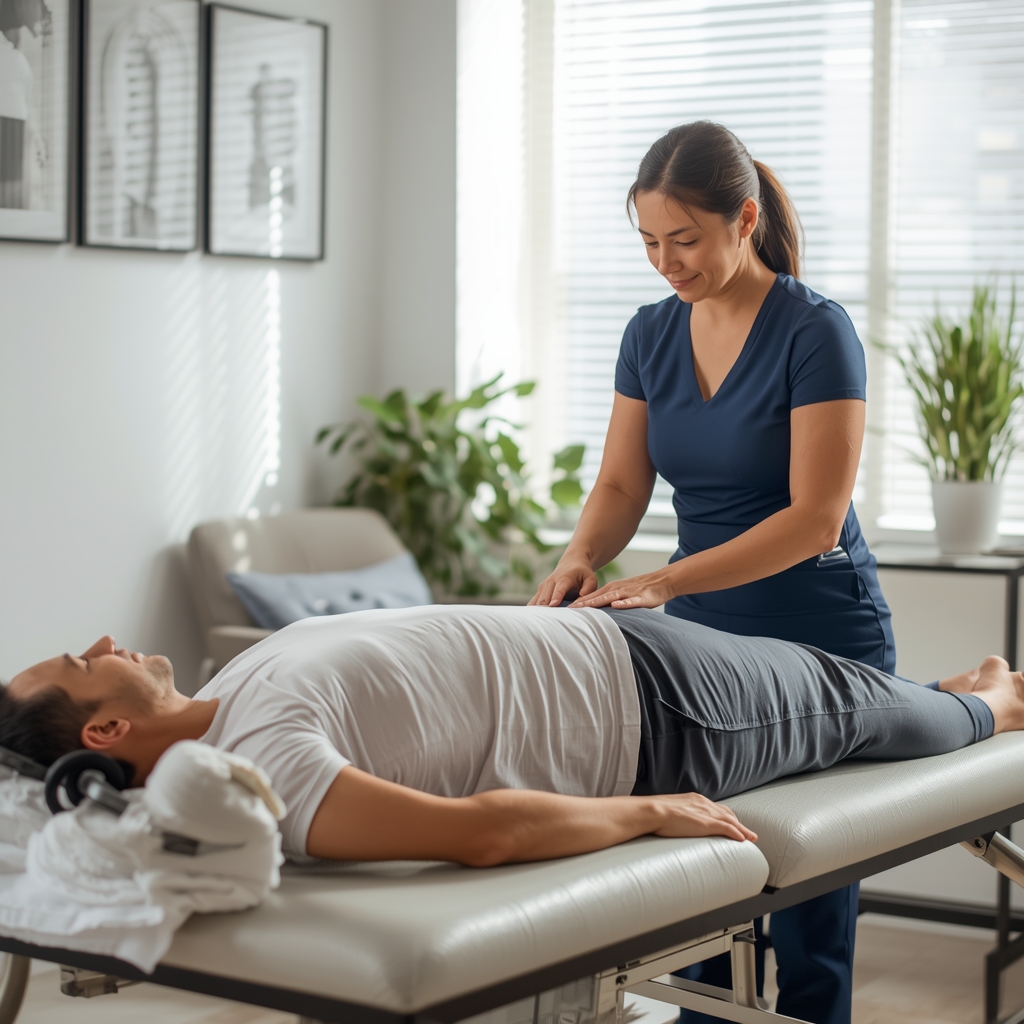
Understanding Chronic Achilles Tendinopathy
Chronic Achilles tendinopathy refers to long-term inflammation or degeneration of the Achilles tendon, often caused by repetitive strain, overuse, or improper biomechanics. This condition typically affects athletes, runners, and individuals with occupations requiring prolonged standing. Symptoms include pain, stiffness, and swelling near the back of the ankle, which may worsen with activity. While rest and traditional therapies like ice or stretching can help, persistent cases often require more targeted interventions. The goal of treatment is to reduce pain, improve function, and restore tendon health. Understanding the role of advanced therapies like ultrasound in this context is essential for those seeking comprehensive care.
What Is Ultrasound Therapy?
Ultrasound therapy uses high-frequency sound waves to penetrate deep into tissues, generating heat and promoting healing. This non-invasive treatment is commonly used in musculoskeletal care to reduce inflammation, increase blood flow, and break down scar tissue. There are two main types: thermal (heat-producing) and non-thermal (mechanical effects). Thermal ultrasound can relax muscles and improve flexibility, while non-thermal may stimulate cellular activity to accelerate repair. The therapy is typically administered by a trained professional using a handheld device, with sessions lasting 5–10 minutes. Its ability to target specific areas without surgery makes it a popular choice for chronic conditions like Achilles tendinopathy.
Role in Treating Achilles Tendinopathy
Ultrasound therapy is often used as part of a multi-modal approach to manage chronic Achilles tendinopathy. By reducing inflammation and improving circulation, it can help alleviate pain and support tissue regeneration. Some studies suggest that ultrasound may enhance the effectiveness of other treatments, such as physical therapy or eccentric exercises. However, its role remains complementary rather than standalone. Patients may notice gradual improvements in mobility and reduced discomfort over time. It is important to note that results vary, and ultrasound therapy is most effective when combined with lifestyle adjustments, proper footwear, and professional guidance. As with any treatment, individual responses can differ, and a chiropractor can help determine its suitability.
Integration with Spinal Adjustments
While ultrasound therapy directly targets the Achilles tendon, spinal adjustments may play a supportive role in overall musculoskeletal health. Chiropractors often address spinal misalignments that could contribute to postural imbalances or nerve interference, potentially affecting the body’s ability to heal. By improving spinal function, adjustments may enhance nervous system communication, indirectly supporting tissue repair and pain management. For example, a misaligned spine could alter gait patterns or place additional strain on the Achilles tendon. Integrating ultrasound therapy with spinal care allows for a holistic approach, addressing both local and systemic factors. However, this combination should be tailored to the patient’s specific needs, with a focus on safety and evidence-based practice.
Combining Therapies for Optimal Results
A comprehensive treatment plan for chronic Achilles tendinopathy often involves multiple therapies working in harmony. Ultrasound therapy addresses local inflammation and tissue repair, while spinal adjustments may help optimize biomechanics and nerve function. Other modalities, such as soft tissue work, corrective exercises, or activity modification, may also be incorporated. Chiropractors typically assess each patient’s condition to create a personalized strategy, ensuring therapies complement rather than conflict with one another. For instance, a patient might receive ultrasound sessions to reduce tendon pain, alongside spinal adjustments to improve posture and reduce compensatory strain. This integrative approach emphasizes long-term healing and functional improvement, rather than temporary symptom relief.
Considerations and Next Steps
Individuals considering ultrasound therapy for Achilles tendinopathy should consult a qualified chiropractor or healthcare provider to discuss their options. While generally safe, the therapy may not be suitable for everyone, particularly those with certain medical conditions or contraindications. A thorough evaluation is essential to determine the best course of action. Patients should also be aware that results may take time and require consistent follow-up. Combining ultrasound with spinal adjustments or other therapies should always be guided by a professional, as self-treatment can lead to complications. Ultimately, a collaborative approach between the patient and their care team is key to achieving the best outcomes. Open communication and regular assessments help ensure the treatment remains effective and aligned with the patient’s goals.













