
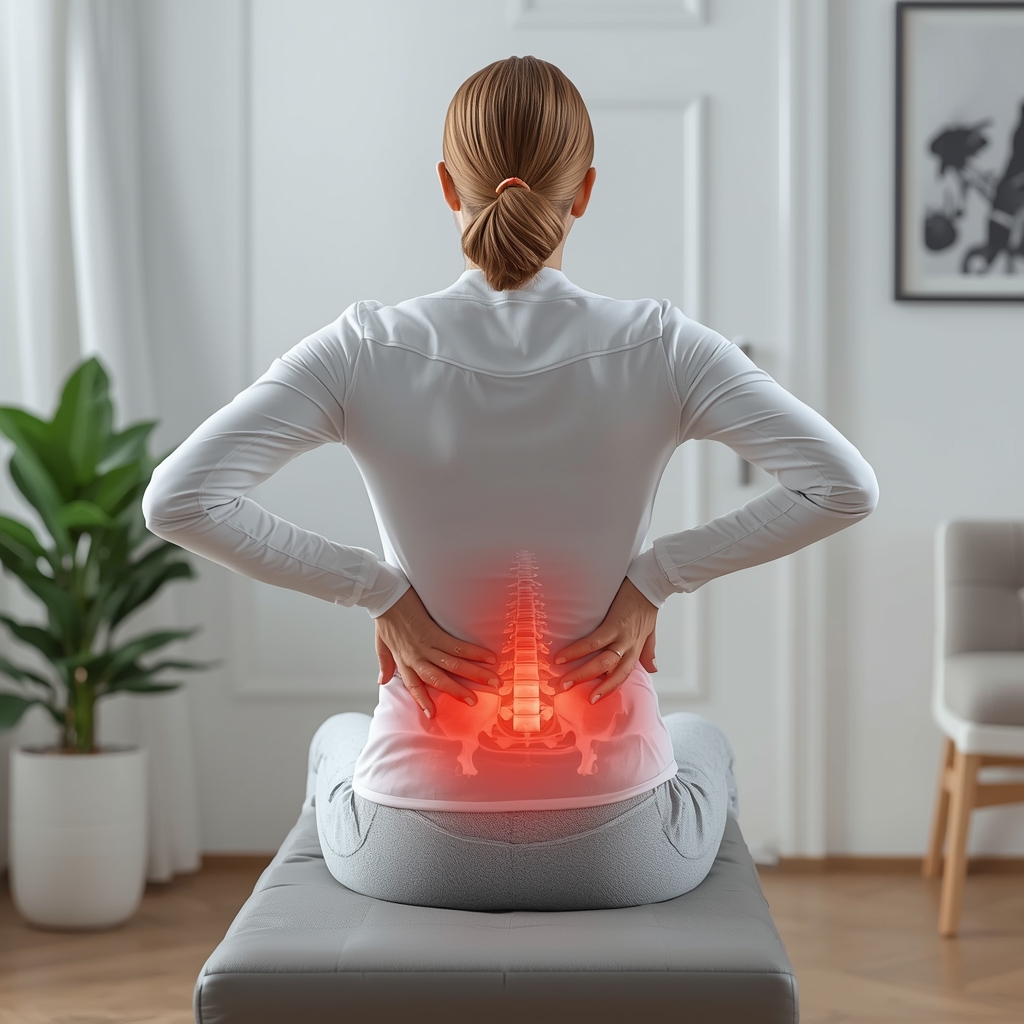
Pelvic Alignment and Its Connection to Sacroiliac Joint Function
Pelvic alignment plays a critical role in the mechanics of the sacroiliac (SI) joint, which connects the pelvis to the lower spine. A properly aligned pelvis ensures even distribution of weight and stress across the SI joint, reducing the risk of dysfunction. When the pelvis is misaligned—whether due to muscular imbalances, trauma, or postural habits—the SI joint can become overstressed, leading to chronic pain. This relationship underscores why addressing pelvic alignment is often a foundational step in managing SI joint issues. Chiropractors frequently evaluate pelvic position as part of a comprehensive assessment, recognizing its influence on both local and referred pain patterns. Understanding this link helps patients appreciate the importance of structural balance in long-term pain management.
Biomechanics of Pelvic Misalignment and SI Joint Stress
The pelvis acts as a stabilizing base for the spine, and its alignment directly affects the SI joint’s ability to absorb and distribute force. A tilted or rotated pelvis can create uneven pressure on the joint, causing inflammation, muscle spasms, and disrupted movement. For example, an anteriorly tilted pelvis may increase lumbar lordosis, placing additional strain on the SI joint. Conversely, a posteriorly tilted pelvis can reduce spinal stability, leading to compensatory movements that exacerbate pain. These biomechanical changes often go unnoticed until symptoms develop, highlighting the need for proactive evaluation. By restoring proper pelvic alignment, chiropractors aim to alleviate abnormal stressors and promote natural healing processes in the SI joint.
How Chiropractic Adjustments Address Pelvic and SI Joint Issues
Chiropractic adjustments are a primary intervention for correcting pelvic misalignments that contribute to chronic SI joint pain. These manual techniques involve precise, controlled forces to realign the pelvis and restore normal joint function. By improving pelvic positioning, adjustments can reduce inflammation, ease muscle tension, and enhance the SI joint’s stability. Many patients report decreased pain and improved mobility after targeted adjustments. However, the effectiveness of these treatments depends on accurate diagnosis and individualized care. Chiropractors often combine adjustments with soft tissue therapies or rehabilitative exercises to address underlying muscular imbalances. This multifaceted approach supports long-term relief by addressing both structural and functional components of SI joint dysfunction.
Complementary Therapies for Pelvic and SI Joint Relief
In addition to chiropractic adjustments, various therapies can support pelvic realignment and SI joint health. Physical therapy exercises, such as core strengthening and hip mobility drills, help stabilize the pelvis and reduce joint strain. Massage therapy can alleviate tight muscles that contribute to pelvic misalignment, while acupuncture may ease pain and inflammation. Patients are often advised to incorporate ergonomic adjustments at home or work to maintain proper posture. These complementary strategies work synergistically with chiropractic care to address both immediate symptoms and root causes. It’s important to consult a healthcare provider to determine the most suitable combination of treatments for individual needs.
When to Seek Professional Help for Pelvic and SI Joint Pain
Chronic sacroiliac joint pain that persists despite self-care measures should prompt a visit to a chiropractor or orthopedic specialist. Persistent pain, limited mobility, or nighttime discomfort may indicate a structural issue requiring professional intervention. A healthcare provider can perform diagnostic tests, such as imaging or physical exams, to identify pelvic misalignments or other contributing factors. Early consultation can prevent long-term complications and improve treatment outcomes. Patients should also seek help if pain radiates to the legs or is accompanied by neurological symptoms like numbness. A qualified provider can develop a personalized plan to address pelvic alignment and restore functional mobility.
Maintaining Pelvic Health for Long-Term SI Joint Wellness
Maintaining proper pelvic alignment is essential for preventing recurrent sacroiliac joint pain. Regular chiropractic checkups can monitor structural changes and address minor misalignments before they worsen. Patients are encouraged to practice good posture, avoid prolonged sitting, and engage in low-impact exercise to support pelvic stability. Strengthening the core and hip muscles through targeted workouts can further enhance joint function. Educating oneself about body mechanics—such as proper lifting techniques—also plays a role in prevention. By adopting these habits, individuals can reduce their risk of SI joint dysfunction and enjoy greater overall mobility and comfort.














