
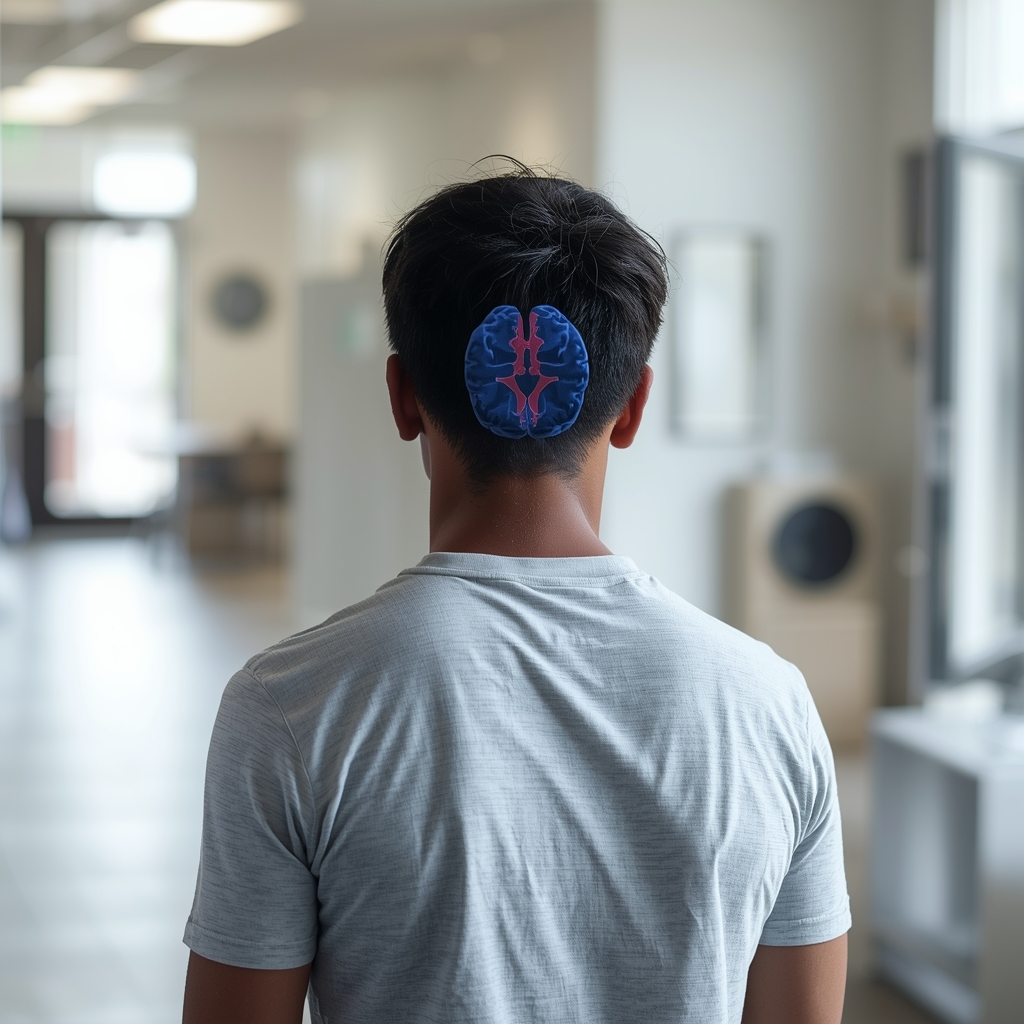
Understanding Concussions and the Role of Chiropractic Care
Concussions, common in sports, are mild traumatic brain injuries that disrupt normal brain function. While rest and medical monitoring are standard, chiropractic care may offer complementary support. By focusing on spinal alignment and nervous system function, chiropractors aim to reduce secondary symptoms and promote holistic recovery. This approach is particularly relevant for student athletes, who often require both physical and cognitive rehabilitation. Chiropractic interventions may help address musculoskeletal imbalances exacerbated by the injury, but they should always be part of a broader care plan guided by healthcare professionals.
The Spine-Brain Connection in Recovery
The spine plays a critical role in nervous system health, and misalignments (subluxations) can interfere with nerve communication. For student athletes with concussions, chiropractic adjustments may help restore proper spinal function, potentially easing symptoms like dizziness, headaches, and balance issues. While research on this specific application is limited, chiropractors often emphasize the body’s innate ability to heal when structural integrity is maintained. This perspective aligns with broader concussion recovery goals, though individual outcomes vary. Patients should discuss chiropractic care with their primary care provider to ensure it complements other treatments.
Managing Symptoms Through Holistic Approaches
Post-concussion symptoms such as neck pain, migraines, and fatigue are common, and chiropractic care may offer relief through manual therapies, soft tissue work, and rehabilitative exercises. Techniques like spinal manipulation or myofascial release could address musculoskeletal strain from the injury or compensatory movements. Chiropractors may also recommend lifestyle adjustments, including sleep hygiene and gradual return-to-activity protocols. However, these strategies should not replace medical evaluation. Student athletes and their families should prioritize evidence-based care while exploring supportive options like chiropractic, always under professional supervision.
Supporting Cognitive and Physical Recovery
Concussions affect both cognitive and physical health, and chiropractic care may contribute to recovery by addressing biomechanical factors. For instance, neck injuries from falls or impacts can worsen concussion symptoms, and chiropractic adjustments might alleviate associated pain or stiffness. Additionally, therapies like vestibular rehabilitation could help with balance and coordination. While chiropractors do not claim to treat the brain itself, their focus on overall body function may indirectly support recovery. It is essential for student athletes to work with a team of specialists, including neurologists and physical therapists, to ensure comprehensive care.
Collaborative Care for Student Athletes
Effective post-concussion recovery often requires a multidisciplinary approach. Chiropractors may collaborate with sports medicine physicians, neuropsychologists, and athletic trainers to create personalized plans. This teamwork ensures that chiropractic interventions align with medical guidelines and athletic return-to-play protocols. For student athletes, this coordination is vital to prevent re-injury and optimize long-term outcomes. Chiropractic care should never be viewed as a standalone solution but as one component of a broader strategy. Open communication between all healthcare providers and the athlete’s family is key to navigating this complex process.
Consulting Professionals for Safe Recovery
Every concussion is unique, and recovery timelines vary widely. Chiropractic care can be a valuable tool, but it must be tailored to the individual’s needs. Student athletes and their guardians should consult licensed chiropractors with experience in sports injuries and concussion management. It is also crucial to follow established medical protocols, such as gradual return-to-activity guidelines. While some patients report improved symptoms with chiropractic care, there is no universal solution. Always seek advice from qualified healthcare providers to ensure safe, effective, and evidence-based recovery strategies.














