
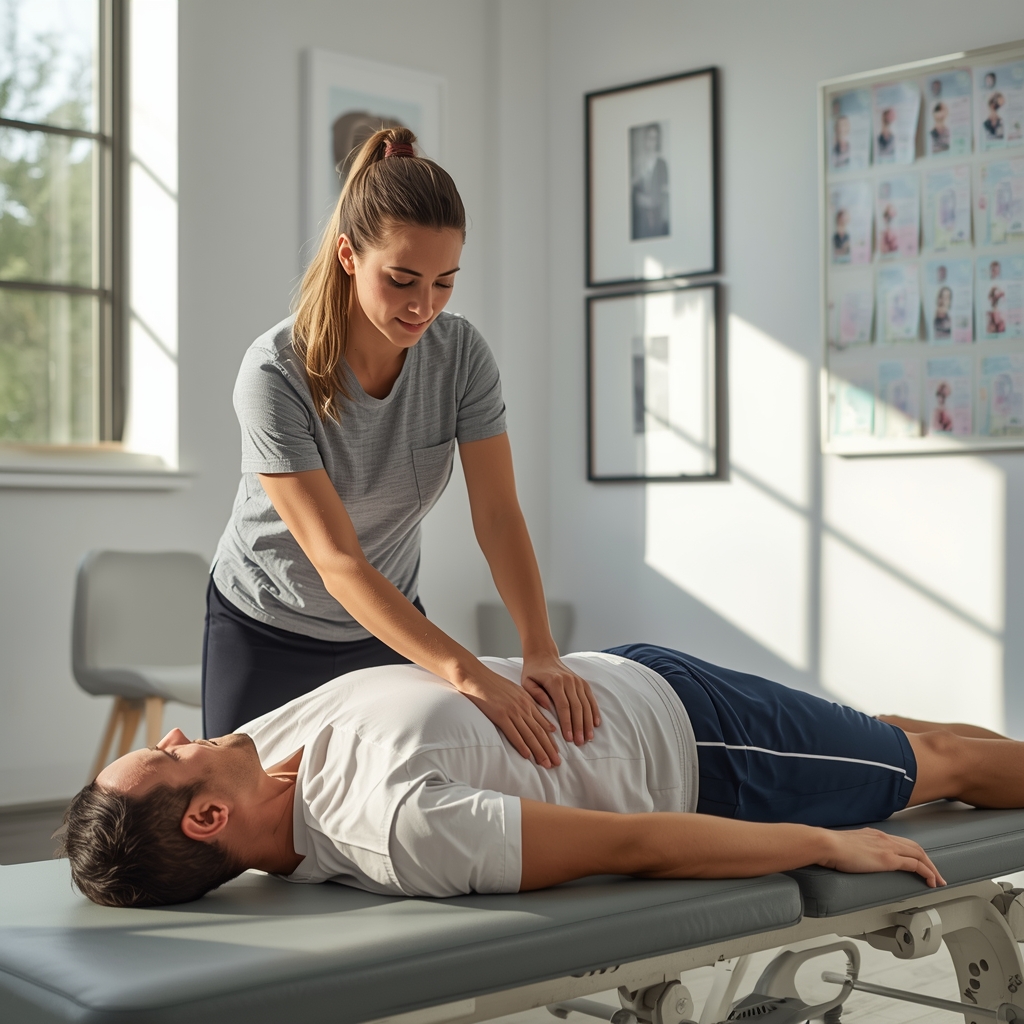
What Is Active Release Technique (ART) and Its Purpose?
Active Release Technique (ART) is a specialized soft tissue therapy designed to address issues in muscles, tendons, ligaments, and nerves. Developed by Dr. P. Michael Leahy, ART focuses on identifying and breaking down scar tissue and adhesions that form after injury or overuse. For athletes, this method is particularly valuable because it targets the specific areas of strain caused by repetitive motions or sudden trauma. By restoring normal tissue function, ART helps improve mobility, reduce pain, and support faster recovery. Chiropractors and trained practitioners use their hands to apply precise pressure while the patient moves, ensuring the treatment addresses the root cause of the injury rather than just symptoms.
How Does ART Target Specific Soft Tissue Injuries?
ART works by isolating the affected soft tissue and applying controlled tension while the patient performs specific movements. This process helps break up scar tissue and adhesions that restrict movement and cause discomfort. Practitioners use their hands to assess the texture, tightness, and movement of the tissue, allowing them to tailor the treatment to the individual’s needs. For athletes, this means addressing not just the visible injury but also the underlying restrictions that may contribute to recurring issues. By focusing on the exact location of the problem, ART promotes better flexibility, reduces inflammation, and enhances the body’s natural healing processes. The technique is often used for conditions like muscle strains, tendonitis, and nerve entrapments, making it a targeted solution for sports-related injuries.
Common Soft Tissue Injuries Treated in Athletes
Athletes frequently experience soft tissue injuries due to the physical demands of their activities. Common conditions include muscle strains, ligament sprains, and tendonitis, which can result from overuse or acute trauma. For example, a runner might develop iliotibial band syndrome, while a weightlifter could experience rotator cuff strain. These injuries often lead to pain, limited range of motion, and reduced performance. ART is effective in treating such issues by addressing the specific areas of scar tissue and adhesions that hinder recovery. By restoring normal tissue function, the technique helps athletes return to their sport more quickly and with fewer lingering effects. It is particularly useful for injuries that persist despite rest or conventional treatments, offering a non-invasive alternative to surgery or prolonged rehabilitation.
Benefits of ART for Athletic Performance and Recovery
ART offers several advantages for athletes seeking to maintain or improve their performance. By breaking down scar tissue and adhesions, the technique enhances flexibility and range of motion, which are critical for optimal athletic function. This can lead to improved strength, reduced risk of further injury, and faster recovery times. Athletes often report decreased pain and increased mobility after ART sessions, allowing them to train more effectively. Additionally, ART can help prevent future injuries by addressing imbalances and restrictions in soft tissues before they escalate into more severe problems. The personalized approach of ART ensures that each treatment is tailored to the athlete’s specific needs, making it a valuable tool in both rehabilitation and performance enhancement. However, it is important to consult a qualified practitioner to determine if ART is suitable for a particular condition.
Integration of ART With Other Therapies for Athletes
ART is often used in conjunction with other treatments to maximize results for athletes. Chiropractors may combine it with spinal adjustments, massage therapy, or physical rehabilitation exercises to address both structural and soft tissue issues. This integrative approach helps ensure a comprehensive recovery by targeting multiple factors that contribute to injury and pain. For example, ART might be paired with corrective exercises to strengthen weakened muscles or improve posture. It can also complement modalities like ultrasound therapy or dry needling to reduce inflammation and promote healing. While ART is a powerful tool, it is most effective when part of a broader treatment plan. Athletes should work closely with their healthcare providers to determine the best combination of therapies for their specific needs and goals.
When to Consider ART for Soft Tissue Injuries
Athletes experiencing persistent pain, limited mobility, or recurring injuries may benefit from ART. This technique is particularly useful for conditions that do not respond to rest, ice, or traditional physical therapy. If an athlete notices stiffness, tenderness, or reduced performance in a specific area, it may indicate underlying soft tissue restrictions that ART can address. However, it is essential to consult a qualified chiropractor or healthcare provider before starting treatment. A professional can assess the injury, determine if ART is appropriate, and develop a personalized plan. While ART is generally safe, it should be performed by trained practitioners to avoid complications. For athletes looking to maintain peak performance and prevent long-term issues, ART offers a targeted, non-invasive option to support recovery and resilience.













