
Understanding Scoliosis and the Importance of Early Detection
Scoliosis is a condition characterized by an abnormal lateral curvature of the spine, often diagnosed during childhood or adolescence. Early detection is critical, as timely intervention can prevent progression and reduce long-term complications. While scoliosis may not always cause symptoms in its early stages, visible postural changes—such as uneven shoulders, a tilted pelvis, or one hip appearing higher than the other—can signal its presence. Chiropractors play a vital role in identifying these subtle signs during routine assessments. By focusing on posture and spinal alignment, they help uncover potential issues before they worsen. This proactive approach aligns with preventive healthcare goals, emphasizing the value of regular checkups for children and teens. Early detection through postural evaluations allows for more effective management strategies, whether through monitoring, physical therapy, or referrals to specialists.
How Chiropractors Use Postural Assessments to Identify Scoliosis
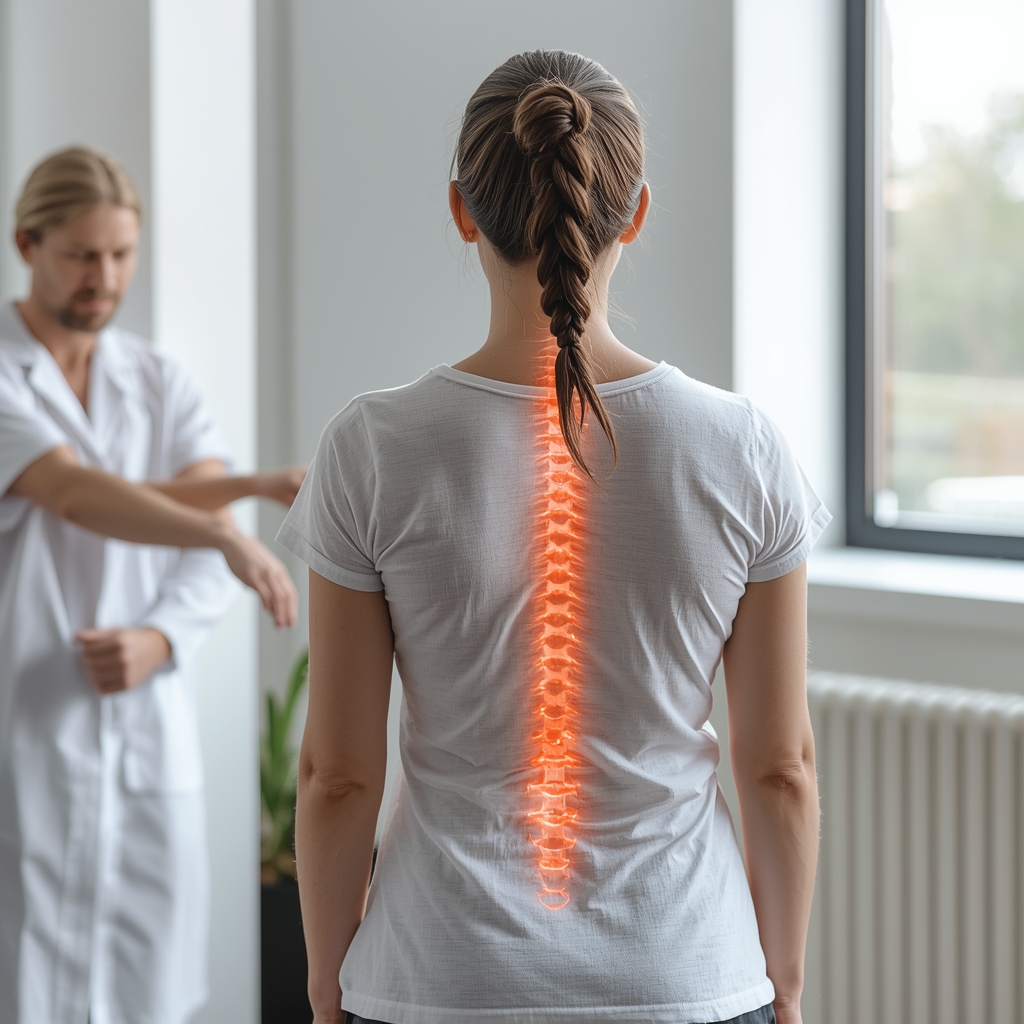
During a chiropractic evaluation, practitioners conduct thorough postural assessments to observe spinal alignment and symmetry. This involves visual inspections and standardized measurements, such as the Adam's forward bend test, which helps detect asymmetries in the back. Chiropractors look for signs like rib humps, shoulder elevation, or uneven waistlines, which may indicate scoliosis. These assessments are non-invasive and often part of a broader physical exam. By analyzing how a patient stands, sits, and moves, chiropractors can identify irregularities that might not be immediately apparent to others. While not a substitute for medical imaging, these evaluations serve as an initial screening tool. They enable chiropractors to recognize patterns consistent with scoliosis and determine whether further diagnostic steps are necessary. This process underscores the importance of regular checkups, especially during growth spurts when spinal changes are more likely.
Recognizing Subtle Signs of Scoliosis Through Postural Analysis
Postural assessments allow chiropractors to detect even minor deviations from normal spinal alignment. Scoliosis often presents with asymmetrical weight distribution, uneven muscle tension, or compensatory movements that affect posture. For example, a child might lean to one side or exhibit a visible shift in the spine’s curvature when standing. Chiropractors use tools like plumb lines or digital imaging to measure these imbalances accurately. They also evaluate how the spine responds to movement, such as bending or twisting, to identify functional abnormalities. These observations help differentiate between structural scoliosis and postural imbalances that may resolve with targeted exercises. By focusing on the body’s compensatory mechanisms, chiropractors can pinpoint early signs of scoliosis that might otherwise go unnoticed. This detailed analysis ensures that potential cases are flagged for further evaluation, enabling timely interventions that may prevent progression.
When Postural Assessments Lead to Referrals for Imaging
While postural assessments provide valuable insights, they are not diagnostic tools. If a chiropractor identifies significant asymmetries or curvature during an evaluation, they may recommend imaging studies like X-rays to confirm scoliosis and assess its severity. This step is crucial for determining the appropriate course of action, as imaging reveals the exact degree of spinal deviation and rules out other conditions. Chiropractors collaborate with orthopedic specialists or pediatricians to ensure patients receive comprehensive care. Referrals are typically based on clinical guidelines, such as the Cobb angle measurement, which quantifies the curvature’s magnitude. By acting as a bridge between initial observations and medical diagnostics, chiropractors help patients access necessary treatments. This process highlights the importance of interdisciplinary care, ensuring that early detection translates into effective management strategies tailored to the individual’s needs.
Collaborating with Healthcare Providers for Comprehensive Care
Chiropractors often work alongside other healthcare professionals to ensure a holistic approach to scoliosis management. After identifying postural irregularities, they may consult with orthopedic surgeons, physical therapists, or pediatricians to develop a coordinated care plan. This collaboration is essential for determining whether bracing, physical therapy, or surgical intervention is needed. Chiropractors provide detailed findings from their assessments, offering context that complements medical imaging and clinical evaluations. They may also recommend exercises to improve posture or strengthen core muscles, supporting broader treatment goals. By maintaining open communication with specialists, chiropractors ensure that patients receive well-rounded care that addresses both structural and functional aspects of scoliosis. This teamwork underscores the value of a multidisciplinary approach, empowering patients and families to make informed decisions about their health.
Empowering Families Through Education and Proactive Care
Chiropractors play a key role in educating families about scoliosis and the importance of early intervention. By explaining the findings from postural assessments and the next steps, they help parents understand their child’s condition and available options. This education empowers families to monitor for changes and adhere to recommended follow-ups. Chiropractors also emphasize the benefits of regular checkups, especially during periods of rapid growth, to catch issues early. They may share resources or connect families with support groups, fostering a sense of community and shared knowledge. Ultimately, this proactive approach helps reduce anxiety and promotes informed decision-making. By prioritizing early detection and collaboration, chiropractors contribute to better outcomes for children and adolescents with scoliosis, ensuring they receive timely and appropriate care.














