
Understanding Post-Concussion Symptoms After Car Accidents
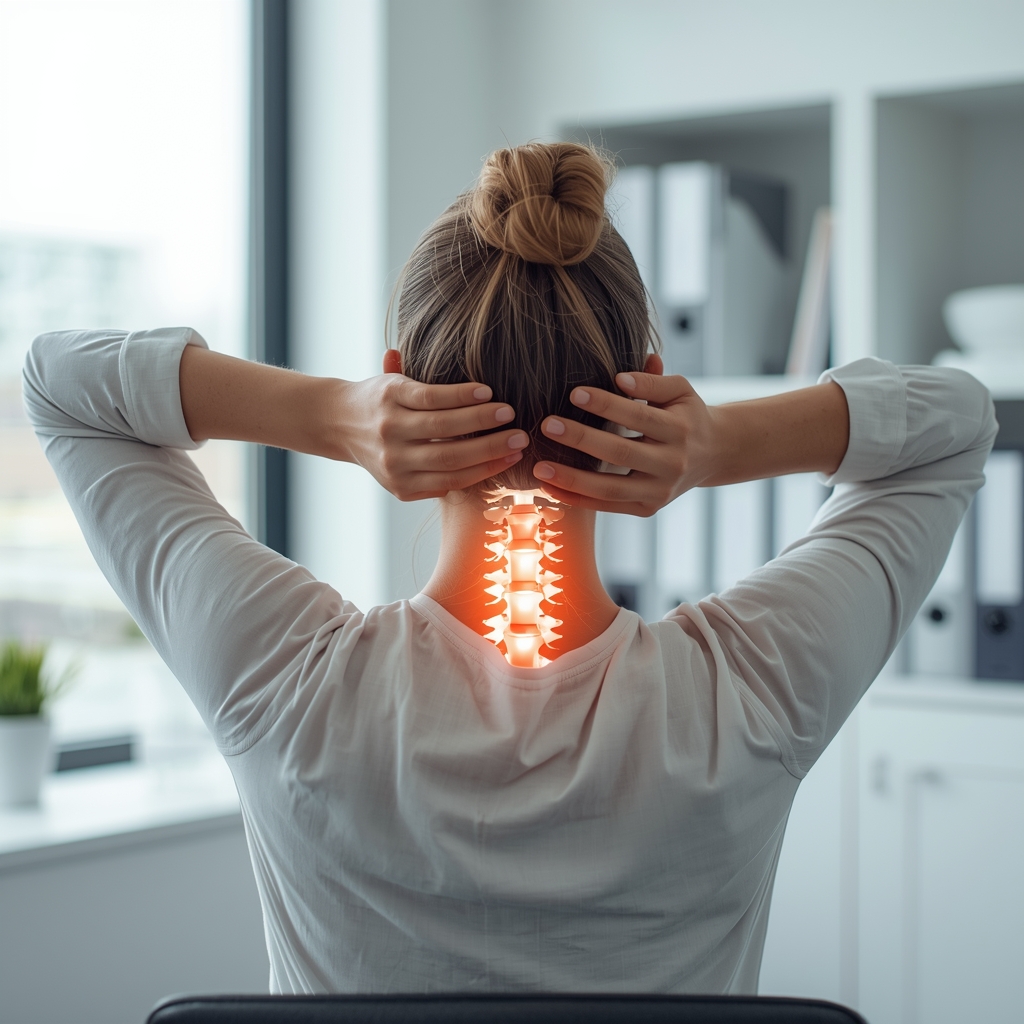
Car accidents often result in traumatic brain injuries, including concussions, which can cause a range of symptoms like headaches, dizziness, memory issues, and balance problems. These symptoms may persist even after initial medical evaluation, creating challenges for recovery. The cervical spine, or neck, is also frequently affected during collisions due to sudden forces, leading to whiplash or misalignments. While traditional medical care focuses on neurological assessments, some patients explore complementary approaches like chiropractic care to address lingering discomfort. This article examines how cervical spine manipulation might play a role in managing post-concussion symptoms, emphasizing the importance of professional guidance.
What Is Cervical Spine Manipulation?
Cervical spine manipulation, often performed by chiropractors, involves applying controlled force to the neck joints to improve mobility and alignment. This technique aims to relieve pressure on nerves, reduce muscle tension, and restore normal function. In the context of post-concussion care, practitioners may consider how cervical misalignments could contribute to symptoms like headaches or dizziness. By addressing these physical imbalances, chiropractors seek to support the body’s natural healing processes. However, it’s crucial to note that this approach is not a substitute for standard medical care and should be used alongside professional evaluations to ensure safety and appropriateness for each individual.
The Link Between Cervical Spine Health and Concussion Recovery
Research suggests that cervical spine dysfunction can exacerbate or mimic symptoms of concussions, such as dizziness, neck pain, and cognitive difficulties. For example, whiplash injuries from car accidents may cause mechanical stress on the neck, potentially affecting blood flow or nerve signaling. Some studies indicate that correcting these issues through manipulation might help alleviate related symptoms. However, the exact mechanisms remain under investigation, and findings are not universally conclusive. Patients considering this approach should discuss their unique situation with a qualified chiropractor to determine if it aligns with their recovery goals and medical history.
How Cervical Manipulation Might Alleviate Post-Concussion Symptoms
Chiropractors may use cervical manipulation to address musculoskeletal contributors to post-concussion symptoms, such as tension in the neck muscles or restricted joint movement. By restoring proper alignment, practitioners aim to reduce pressure on surrounding nerves and improve circulation, which could indirectly support brain function. For instance, some patients report fewer headaches or improved balance after treatment. However, these outcomes vary, and the evidence remains anecdotal in many cases. It’s essential to approach such interventions with realistic expectations and under the supervision of healthcare providers familiar with both chiropractic care and concussion management.
Safety Considerations and Professional Guidance
While cervical spine manipulation is generally safe when performed by trained professionals, it carries risks, especially for individuals with certain conditions. Patients with vertebral artery issues, severe osteoporosis, or spinal instability should avoid this technique. In post-concussion cases, a thorough assessment is critical to rule out serious complications before proceeding. Chiropractors often collaborate with medical doctors to ensure a holistic approach. Patients should prioritize transparency about their symptoms and medical history to minimize risks. Ultimately, any treatment plan should be tailored to individual needs, emphasizing safety and evidence-based practices.
When to Seek Chiropractic Care for Post-Concussion Recovery
If post-concussion symptoms persist despite conventional treatments, consulting a chiropractor may be an option worth exploring. However, this should follow a comprehensive medical evaluation to confirm the absence of urgent issues. Chiropractic care is typically considered a complementary approach, not a primary treatment for concussions. Patients should work with healthcare providers to develop a coordinated plan that addresses both neurological and musculoskeletal aspects of recovery. Open communication with the chiropractor about symptoms, progress, and concerns is vital to ensure the approach remains safe and effective throughout the healing process.












