
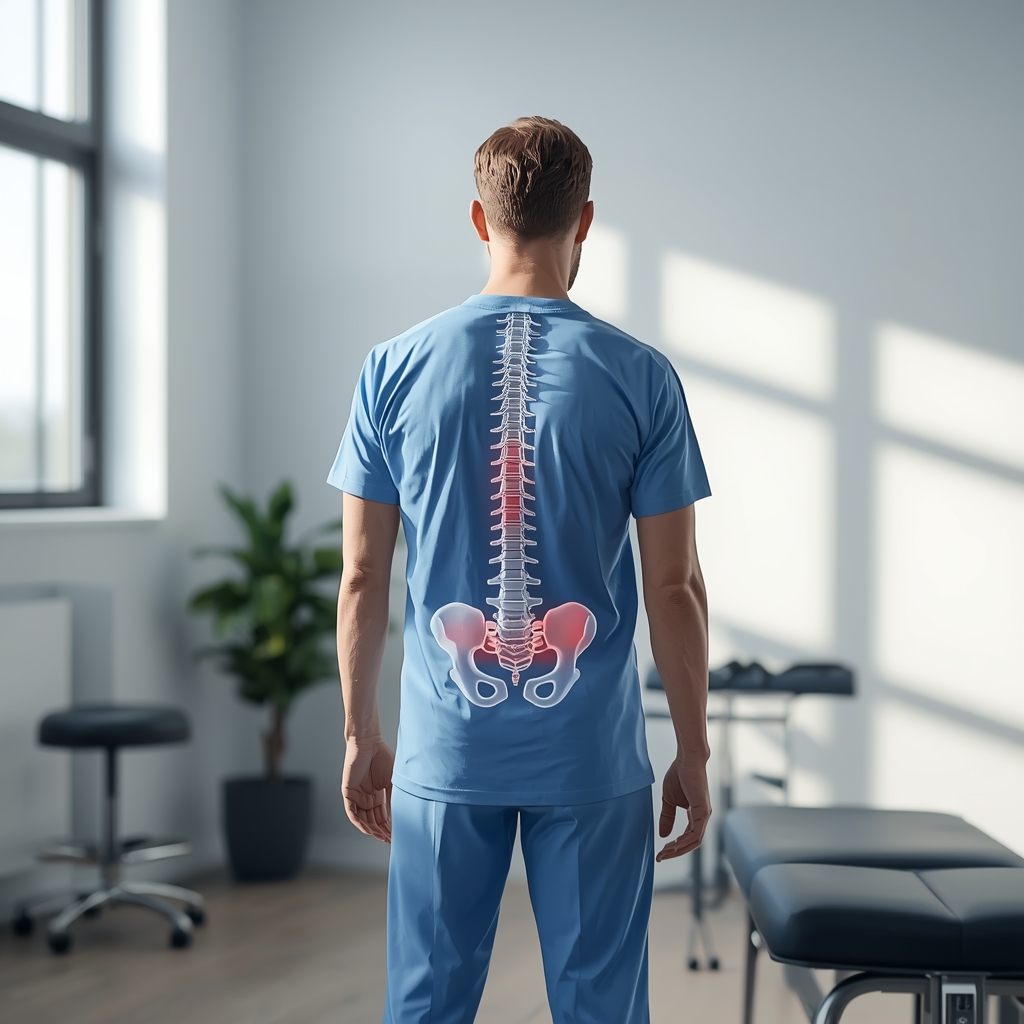
Understanding the Role of Chiropractic in Hip Replacement Recovery
While hip replacement surgery is a common solution for severe joint damage, recovery involves more than just the surgical procedure itself. Chiropractic care can play a supportive role in both pre- and post-operative phases by addressing musculoskeletal imbalances, improving mobility, and promoting overall body function. Unlike spinal fusion, which focuses on stabilizing the spine, hip replacement requires strategies that prioritize joint mechanics and gait patterns. Chiropractors may help patients prepare their bodies for surgery and support healing afterward, but it’s important to emphasize that these approaches complement, not replace, medical treatments. Always consult a qualified healthcare provider before pursuing any pre- or post-operative care plan.
Pre-Operative Chiropractic Strategies to Optimize Recovery
Before hip replacement surgery, chiropractic care can help patients achieve better musculoskeletal alignment and strength. Techniques such as spinal adjustments, soft tissue therapy, and posture correction may reduce compensatory movement patterns that could hinder recovery. For example, addressing pelvic misalignments or muscle imbalances in the lower back and hips can improve surgical outcomes by ensuring the body is in a stable, balanced state. Chiropractors may also recommend gentle exercises to maintain mobility in unaffected joints. These strategies aim to create a foundation for smoother post-operative healing, but they should always be tailored to the individual’s medical history and surgical plan.
Post-Operative Care: Supporting Healing Through Chiropractic Techniques
After surgery, chiropractic care focuses on monitoring the body’s adaptation to the new joint and preventing secondary issues. Light adjustments to the spine and surrounding musculature can help maintain proper alignment, which is critical for reducing stress on the surgical site. Techniques like myofascial release or gentle joint mobilization may alleviate stiffness and improve circulation, potentially speeding recovery. However, post-operative care must be approached cautiously to avoid disrupting the healing process. Chiropractors often collaborate with surgeons and physical therapists to ensure interventions align with medical guidelines, emphasizing safety and gradual progress.
Pain Management and Functional Recovery After Hip Surgery
Chiropractic care may contribute to pain management by addressing biomechanical factors that exacerbate discomfort after hip replacement. For instance, misalignments in the pelvis or lower back can create referred pain or alter gait patterns, prolonging recovery. Chiropractors may use non-invasive methods like soft tissue therapy or therapeutic exercises to reduce inflammation and improve range of motion. While these approaches can enhance comfort, they should not replace prescribed pain medications or physical therapy. Patients should work with their care team to integrate chiropractic strategies safely, ensuring they support, rather than interfere with, medical treatments.
Collaborating with Physical Therapy and Medical Providers
Effective recovery after hip replacement often requires a multidisciplinary approach, with chiropractic care playing a supportive role. Chiropractors may coordinate with physical therapists to address movement patterns and muscle activation that could affect the surgical outcome. For example, if a patient develops compensatory movements due to pain, a chiropractor might help realign the body while the therapist focuses on strengthening the hip and surrounding muscles. This collaboration ensures that all interventions work in harmony, minimizing risks and maximizing results. Open communication between healthcare providers is essential to create a cohesive plan that aligns with the patient’s goals and medical needs.
Long-Term Benefits of Chiropractic Care in Post-Surgical Recovery
Even after the initial recovery phase, chiropractic care can contribute to long-term joint health and functional mobility. By maintaining proper alignment and addressing recurring imbalances, chiropractors may help prevent future complications such as arthritis or joint degeneration. Patients may also benefit from ongoing education on movement patterns, ergonomics, and home exercises to sustain their progress. While results vary, many find that regular chiropractic checkups support overall well-being and reduce the risk of secondary issues. As with any post-surgical strategy, individualized care and professional guidance are key to achieving the best outcomes.













