
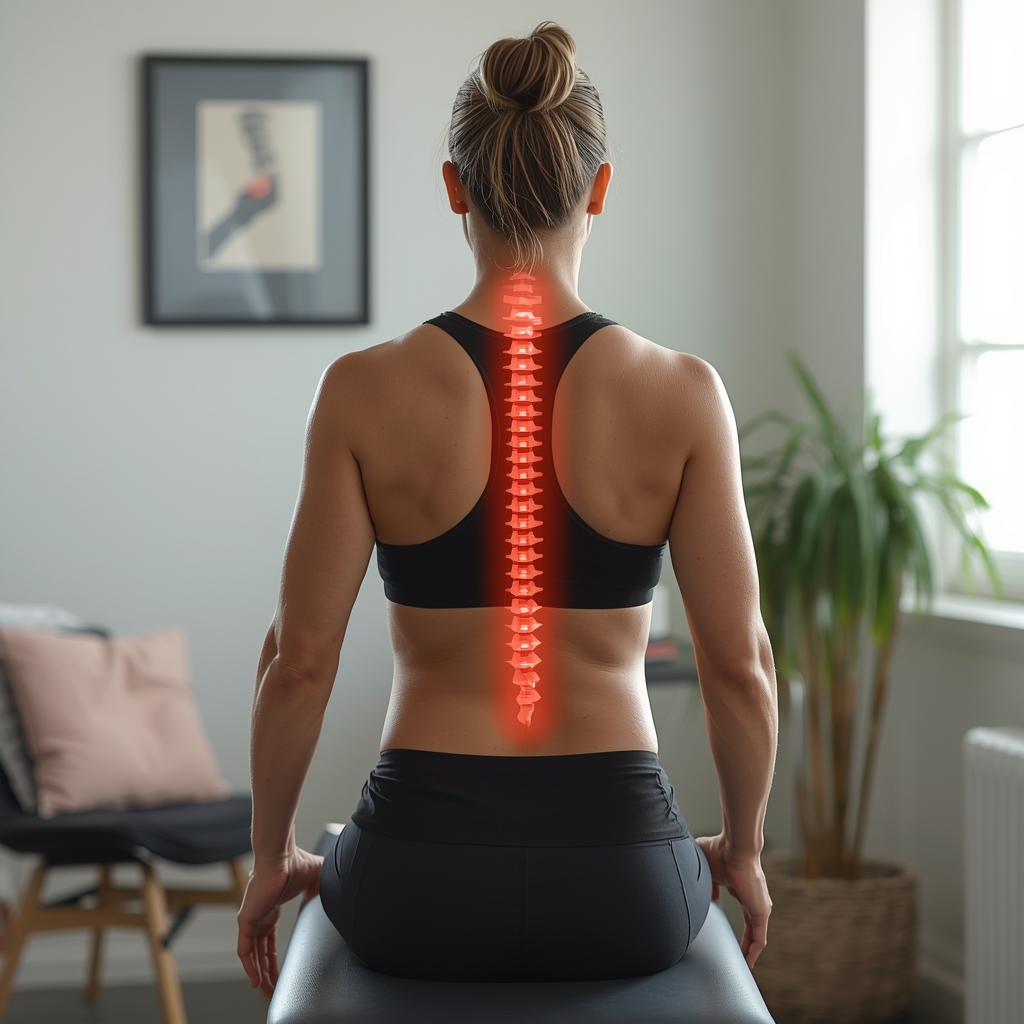
Understanding the Link Between Posture and IT Band Syndrome
IT band syndrome (ITBS) in runners often stems from biomechanical imbalances, with pelvic misalignment playing a significant role. The iliotibial band, a thick fascia strip along the thigh, can become irritated when the pelvis is tilted or rotated, altering gait mechanics. This misalignment increases friction between the IT band and the femur, especially during repetitive motion. Postural corrections aim to realign the pelvis, reducing strain on the IT band. Addressing these issues early can prevent chronic pain and improve running efficiency. Runners experiencing lateral knee pain should consider posture as a contributing factor, as proper alignment may alleviate symptoms. A chiropractor can assess individual postural patterns and recommend targeted interventions.
Key Postural Corrections for Pelvic Alignment
Correcting pelvic misalignment involves specific postural adjustments. A forward pelvic tilt, common in runners, can exacerbate ITBS by tightening the hip flexors and altering knee tracking. Exercises like the cat-cow stretch and pelvic tilts help restore neutral alignment. Strengthening the core and gluteal muscles supports the pelvis, reducing compensatory movements. Additionally, avoiding prolonged sitting and maintaining an upright posture during daily activities can prevent further misalignment. These corrections work by distributing forces evenly across the lower body, minimizing IT band stress. Runners should integrate these adjustments into their routines, combining them with professional guidance for optimal results.
Strengthening Exercises for Postural Stability
Strengthening the muscles around the pelvis and hips is crucial for long-term postural correction. Exercises like clamshells, side-lying leg lifts, and glute bridges target the gluteus medius and minimus, which stabilize the pelvis during running. Core strengthening, including planks and bird-dogs, enhances overall stability. Weakness in these areas can lead to compensatory movements that worsen ITBS. Incorporating resistance training 2-3 times weekly builds muscular endurance, supporting proper alignment. Runners should prioritize form over intensity to avoid reinforcing poor posture. Consistent strength training, paired with chiropractic care, can significantly reduce ITBS recurrence by addressing underlying muscular imbalances.
Stretching and Soft Tissue Techniques
Dynamic and static stretching routines can alleviate tension contributing to ITBS. Foam rolling the IT band, quadriceps, and hip flexors reduces tightness that exacerbates friction. Stretching the piriformis and hamstrings also improves pelvic mobility, easing strain on the IT band. Soft tissue techniques like Active Release Technique (ART) or myofascial release may further relieve adhesions. Runners should perform these stretches after warming up to avoid injury. Regular stretching improves flexibility, allowing the IT band to move smoothly over the femur. Combining these methods with postural corrections creates a holistic approach to managing ITBS, promoting long-term recovery.
Assessing Gait and Movement Patterns
A chiropractor may analyze a runner’s gait to identify postural deviations worsening ITBS. Abnormalities like overpronation or excessive hip drop can strain the IT band. Custom orthotics or shoe modifications might correct these issues, but they should complement postural adjustments. Gait retraining exercises, such as single-leg squats or lateral step-ups, reinforce proper movement patterns. Observing how the pelvis moves during running reveals compensatory strategies that need correction. Addressing these patterns reduces repetitive stress on the IT band. Runners should work with professionals to tailor interventions to their specific biomechanics.
Integrating Postural Corrections into Daily Life
Consistency is key when applying postural corrections. Runners should practice mindful posture during non-running activities, such as sitting or lifting weights. Ergonomic adjustments, like using a standing desk or supportive chair, prevent slouching. Incorporating balance exercises, such as single-leg stands, enhances proprioception and stability. Regular chiropractic checkups ensure corrections remain effective as the body adapts. Runners must recognize that posture is dynamic, requiring ongoing attention. By blending these strategies with professional care, individuals can achieve lasting relief from ITBS and reduce future injury risks.














