
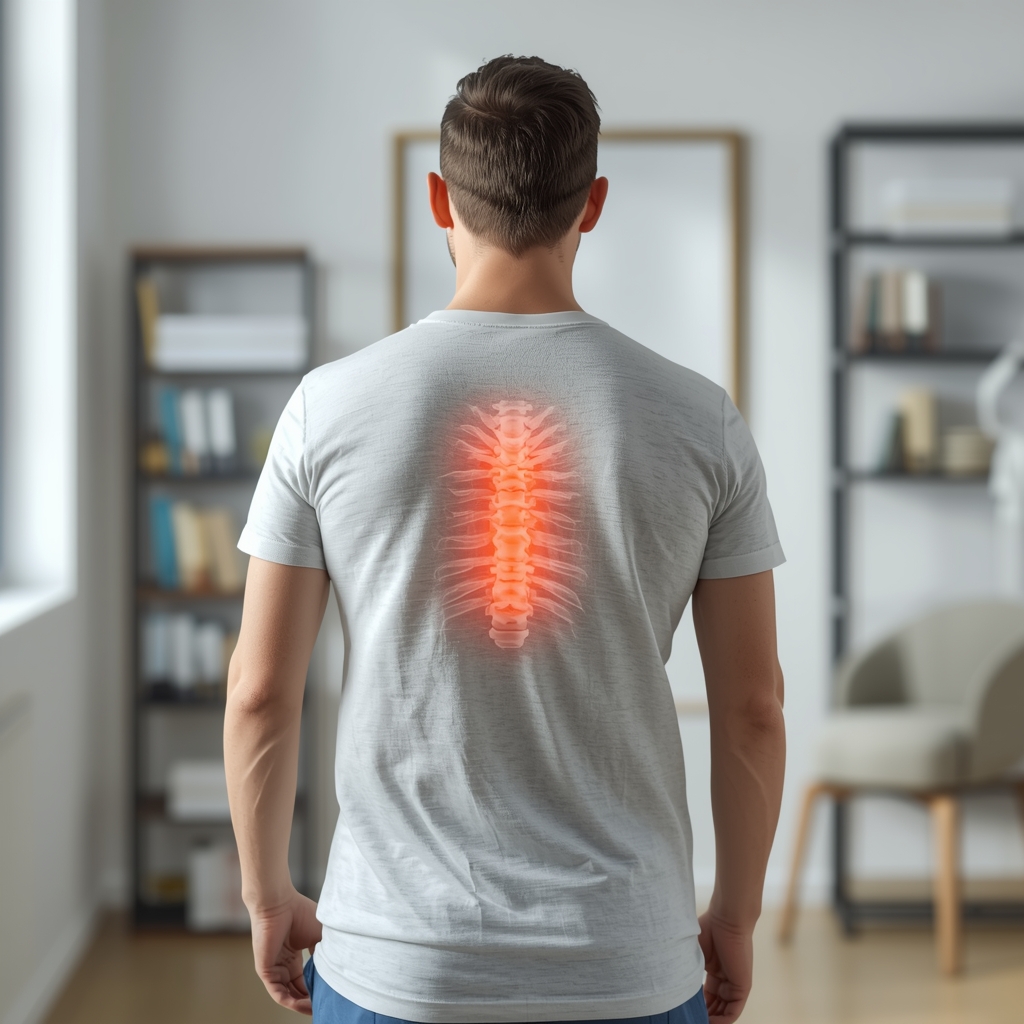
Understanding Spinal Stenosis and Non-Surgical Options
Spinal stenosis occurs when the spinal canal narrows, compressing nerves and causing pain, numbness, or weakness. While surgery is an option, many seek non-surgical approaches to manage symptoms. Chiropractic care and physical therapy are two common strategies. Chiropractors focus on spinal alignment and nervous system function, while physical therapists emphasize strengthening and mobility. Both aim to reduce discomfort and improve quality of life without invasive procedures. Patients often explore these methods to avoid surgery or as complementary care. Understanding their mechanisms and effectiveness helps individuals make informed choices about their treatment plans.
Common Chiropractic Techniques for Spinal Stenosis
Chiropractors use non-invasive methods to address spinal stenosis, such as spinal adjustments to realign vertebrae and alleviate nerve pressure. Decompression therapy, which gently stretches the spine, may reduce compression on affected nerves. Soft tissue therapies, like myofascial release, target muscle tension that exacerbates symptoms. Some practitioners incorporate instrument-assisted techniques, such as the Graston Technique, to break up scar tissue. These approaches aim to enhance mobility, decrease inflammation, and support the body’s natural healing processes. While individual responses vary, many patients report improved comfort and function through consistent chiropractic care.
Traditional Physical Therapy Approaches
Physical therapy for spinal stenosis focuses on strengthening core muscles, improving flexibility, and correcting posture to reduce nerve compression. Therapists design personalized exercise programs, including low-impact aerobic activities and stretching routines. Manual therapy, such as joint mobilization, may also be used to ease stiffness. Patients often learn techniques to modify daily activities and avoid movements that worsen symptoms. Education on body mechanics and ergonomic adjustments plays a key role. While physical therapy emphasizes long-term functional improvements, results may take time, and consistency is critical. It complements other treatments but is not a standalone solution for severe cases.
Comparing Effectiveness: Chiropractic vs. Physical Therapy
Both chiropractic care and physical therapy offer benefits for spinal stenosis, but their approaches differ. Chiropractic adjustments may provide quicker relief by directly addressing spinal misalignments, while physical therapy builds foundational strength and endurance. Studies suggest that combining both methods can yield better outcomes than either alone. However, individual responses vary based on symptom severity, overall health, and treatment adherence. Chiropractic care often focuses on immediate symptom management, whereas physical therapy targets long-term mobility and prevention. Patients should consult a healthcare provider to determine the most suitable strategy for their unique needs.
Considerations for Choosing a Treatment Path
When deciding between chiropractic care and physical therapy, factors like symptom severity, medical history, and personal preferences matter. Chiropractic techniques may be more appealing for those seeking hands-on, targeted interventions, while physical therapy suits individuals looking to build resilience through exercise. It’s important to evaluate the qualifications of practitioners and ensure treatments align with medical guidelines. Some patients opt for integrated care, combining both approaches for comprehensive support. Open communication with a healthcare provider helps navigate these choices, ensuring safety and effectiveness. Regular follow-ups allow adjustments to the treatment plan as symptoms evolve.
Conclusion: Integrating Non-Surgical Strategies
Non-surgical options like chiropractic care and physical therapy provide valuable tools for managing spinal stenosis. While each has distinct benefits, their combined use often maximizes outcomes. Chiropractic techniques address structural imbalances, and physical therapy enhances functional capacity. Patients should prioritize evidence-based practices and collaborate with licensed professionals. Regular assessments help track progress and refine strategies over time. By staying informed and proactive, individuals can effectively manage symptoms and maintain an active lifestyle. Always consult a qualified healthcare provider to tailor these approaches to personal health goals.














