
Understanding Biomechanical Factors in Plantar Fasciitis
Plantar fasciitis often stems from biomechanical imbalances that strain the foot's arch and heel. Active patients, such as runners or athletes, may develop this condition due to repetitive stress, improper footwear, or gait abnormalities. Chiropractors assess these factors by evaluating how weight distributes across the feet during movement. Common issues include overpronation (excessive inward foot roll) or supination (outward roll), which can misalign the lower limbs and increase tension on the plantar fascia. Addressing these imbalances is critical to preventing recurrence, as unresolved biomechanical flaws can perpetuate inflammation and pain. By identifying the root causes, chiropractors can create targeted interventions that support long-term foot health.
The Role of Gait Analysis in Diagnosis
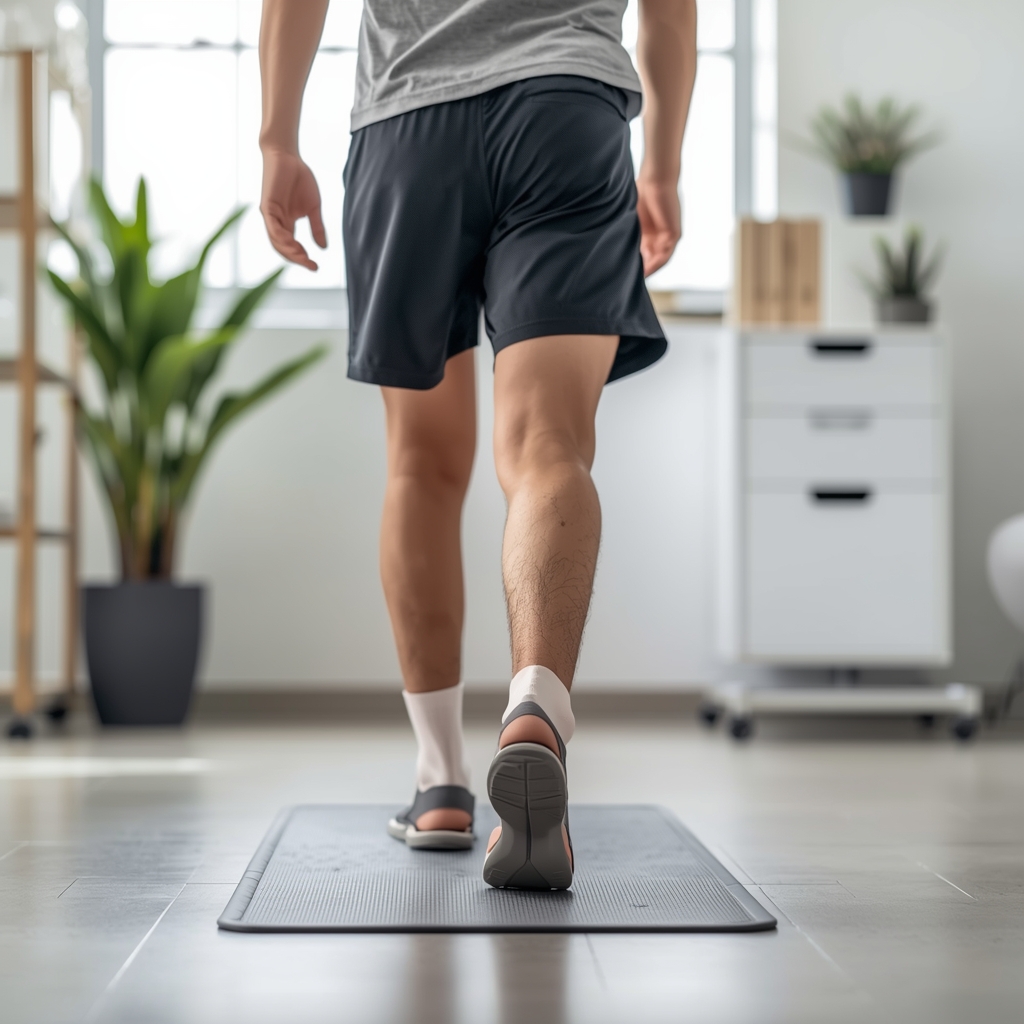
Gait analysis is a key tool for chiropractors to evaluate how a patient walks and identify movement patterns contributing to plantar fasciitis. This process may involve visual observation, pressure-sensitive mats, or video recordings to capture foot mechanics. By analyzing stride length, foot strike, and joint motion, chiropractors can detect inefficiencies that strain the plantar fascia. For example, excessive heel striking or a shortened stride may indicate muscle imbalances or structural issues. This data informs treatment plans, ensuring interventions like orthotics or adjustments address the specific needs of the patient’s gait. Gait analysis also helps track progress over time, allowing for adjustments to prevent future flare-ups.
Custom Orthotics: A Tailored Solution
Custom orthotics are designed to correct biomechanical imbalances and support the foot’s natural structure. Unlike over-the-counter insoles, these devices are crafted based on a patient’s unique gait and foot shape, often using impressions or digital scans. For active patients, orthotics can redistribute pressure, reduce strain on the plantar fascia, and improve alignment from the ground up. They may include arch support, heel cups, or metatarsal pads to address specific issues like overpronation or flat feet. When combined with chiropractic adjustments, orthotics help stabilize the lower body, reducing the risk of compensatory movements that worsen plantar fasciitis. Their effectiveness depends on proper fitting and regular evaluation to ensure they continue meeting the patient’s evolving needs.
Patient Education for Long-Term Success
Active patients must understand how their daily habits influence plantar fasciitis recurrence. Chiropractors educate individuals on selecting appropriate footwear, maintaining proper posture, and recognizing early signs of strain. For example, shoes with inadequate support or worn-out soles can negate the benefits of orthotics. Patients are also encouraged to incorporate stretching and strengthening exercises for the feet and lower legs, such as calf stretches or toe curls. Regular follow-ups allow chiropractors to reinforce these practices and address any new concerns. By fostering a proactive approach, patients become partners in their care, reducing the likelihood of future flare-ups and promoting overall foot wellness.
Integrating Gait Analysis with Chiropractic Care
Chiropractors combine gait analysis with spinal and joint adjustments to address the interconnected nature of the musculoskeletal system. For instance, misalignments in the pelvis or lower back can alter gait patterns, contributing to foot strain. By correcting these issues, chiropractors help restore balanced movement, reducing the load on the plantar fascia. Orthotics further support this by stabilizing the feet and preventing compensatory movements. This integrated approach ensures that both structural and functional factors are addressed, creating a comprehensive strategy for prevention. Regular assessments allow chiropractors to refine treatments, ensuring they adapt to the patient’s activity levels and biomechanical changes over time.
Preventing Recurrence Through Proactive Care
Preventing plantar fasciitis recurrence requires a multifaceted strategy that combines gait analysis, custom orthotics, and ongoing chiropractic care. Active patients must recognize that their condition is not just a localized issue but part of a broader biomechanical system. By addressing gait abnormalities and using orthotics to support proper alignment, chiropractors help patients maintain pain-free mobility. Regular check-ups ensure that interventions remain effective as activity levels or foot mechanics change. Patients are also encouraged to stay informed about their condition and communicate any new symptoms promptly. This collaborative, preventive approach empowers individuals to manage their health proactively, minimizing the risk of future episodes and enhancing overall quality of life.














