
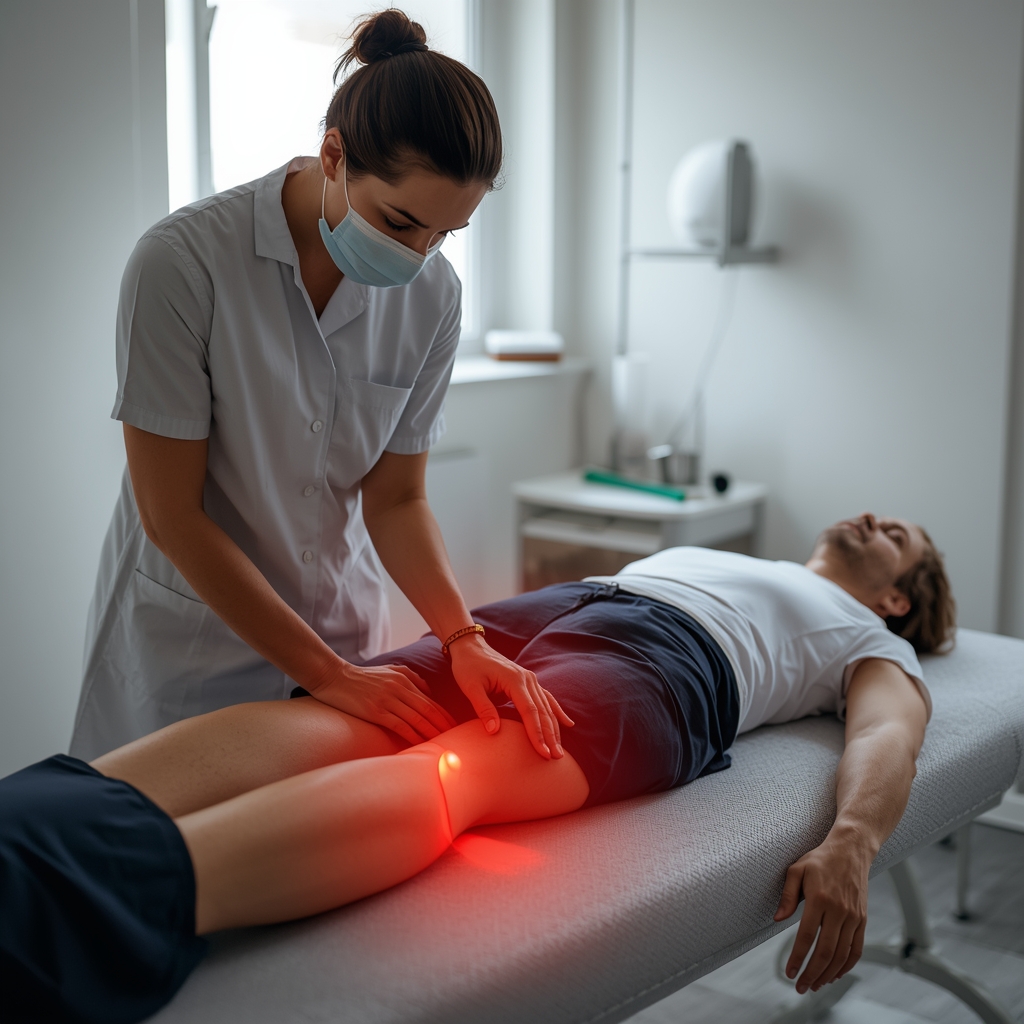
Understanding Cold Laser Therapy for Ankle Sprains
Cold laser therapy, also known as low-level laser therapy (LLLT), is a non-invasive treatment that uses specific wavelengths of light to stimulate cellular function. For acute ankle sprains, this therapy is often used to reduce inflammation, alleviate pain, and promote tissue repair. The light energy is absorbed by cells, enhancing metabolic activity and accelerating the body’s natural healing processes. While research on its efficacy for ankle sprains is ongoing, many chiropractors integrate cold laser therapy into their treatment plans as part of a broader approach to injury recovery. It is typically used alongside other interventions like manual adjustments, soft tissue work, and rehabilitative exercises. Patients often report reduced swelling and improved mobility when cold laser therapy is applied consistently during the initial recovery phase.
How Cold Laser Therapy Works on Ankle Injuries
The mechanism behind cold laser therapy involves photobiomodulation, where light energy interacts with mitochondria in cells to increase adenosine triphosphate (ATP) production. This boost in cellular energy can enhance the repair of damaged tissues, such as ligaments and tendons, which are commonly affected in ankle sprains. Additionally, the therapy may reduce oxidative stress and inflammation, key factors in delaying recovery. By targeting the affected area with precise light wavelengths, chiropractors aim to create an environment conducive to healing. While the exact biological pathways are still under study, the general consensus is that cold laser therapy supports the body’s innate ability to mend itself. Its non-invasive nature makes it a favorable option for patients seeking alternatives to medication or surgery, particularly in the early stages of injury.
Key Protocols for Effective Cold Laser Treatment
Chiropractors typically follow standardized protocols when using cold laser therapy for acute ankle sprains. These include selecting the appropriate wavelength (usually in the red or near-infrared spectrum), determining the duration of each session (often 5–15 minutes), and establishing a frequency schedule (such as 2–3 times per week). The therapy is applied directly to the injured area, sometimes with a conductive gel to enhance light penetration. Treatment plans may also incorporate complementary techniques like ice therapy or compression to manage swelling. Consistency is crucial, as repeated sessions are needed to build cumulative benefits. Chiropractors may adjust protocols based on the severity of the sprain and the patient’s response to treatment. It’s important to note that cold laser therapy is not a standalone solution but works best when integrated into a comprehensive recovery strategy.
Evaluating the Effectiveness of Cold Laser Therapy
The effectiveness of cold laser therapy for acute ankle sprains varies among individuals, and results are often influenced by factors like injury severity, overall health, and adherence to treatment. While some studies suggest it may reduce pain and swelling, others highlight the need for more rigorous research to confirm its benefits. Chiropractors often rely on patient feedback and clinical observations to gauge progress, such as improved range of motion or decreased reliance on pain medication. Patients should approach cold laser therapy with realistic expectations, understanding that it may not work for everyone. It is typically most effective when used early in the recovery process and combined with other evidence-based treatments. Open communication with a chiropractor helps tailor the therapy to the patient’s unique needs and monitor outcomes over time.
Considerations and Safety Precautions
While cold laser therapy is generally considered safe, chiropractors must adhere to proper guidelines to minimize risks. Patients with certain conditions, such as photosensitivity or active infections, may need to avoid the treatment. The therapy should always be administered by a trained professional to ensure correct application and avoid potential complications. Chiropractors also assess the patient’s medical history and current medications before initiating treatment. Although rare, side effects like mild skin irritation or temporary discomfort may occur. It is essential to emphasize that cold laser therapy is not a substitute for conventional medical care, especially for severe sprains requiring imaging or surgical intervention. Patients should consult their chiropractor to determine if this therapy aligns with their overall treatment plan and recovery goals.
Integrating Cold Laser Therapy into Recovery Plans
Chiropractors often incorporate cold laser therapy into a multifaceted approach to ankle sprain recovery, combining it with adjustments, rehabilitative exercises, and lifestyle recommendations. This integrative strategy addresses both the immediate symptoms and long-term functionality of the affected joint. For example, cold laser therapy may be used to reduce inflammation, while manual adjustments restore proper alignment and mobility. Patients are also advised on rest, elevation, and gradual return to activity to prevent re-injury. Regular follow-ups allow chiropractors to monitor progress and adjust protocols as needed. By blending cold laser therapy with other evidence-based techniques, chiropractors aim to optimize recovery outcomes and help patients regain full function. As with any treatment, individual results may vary, and patients are encouraged to maintain open dialogue with their healthcare providers.













