
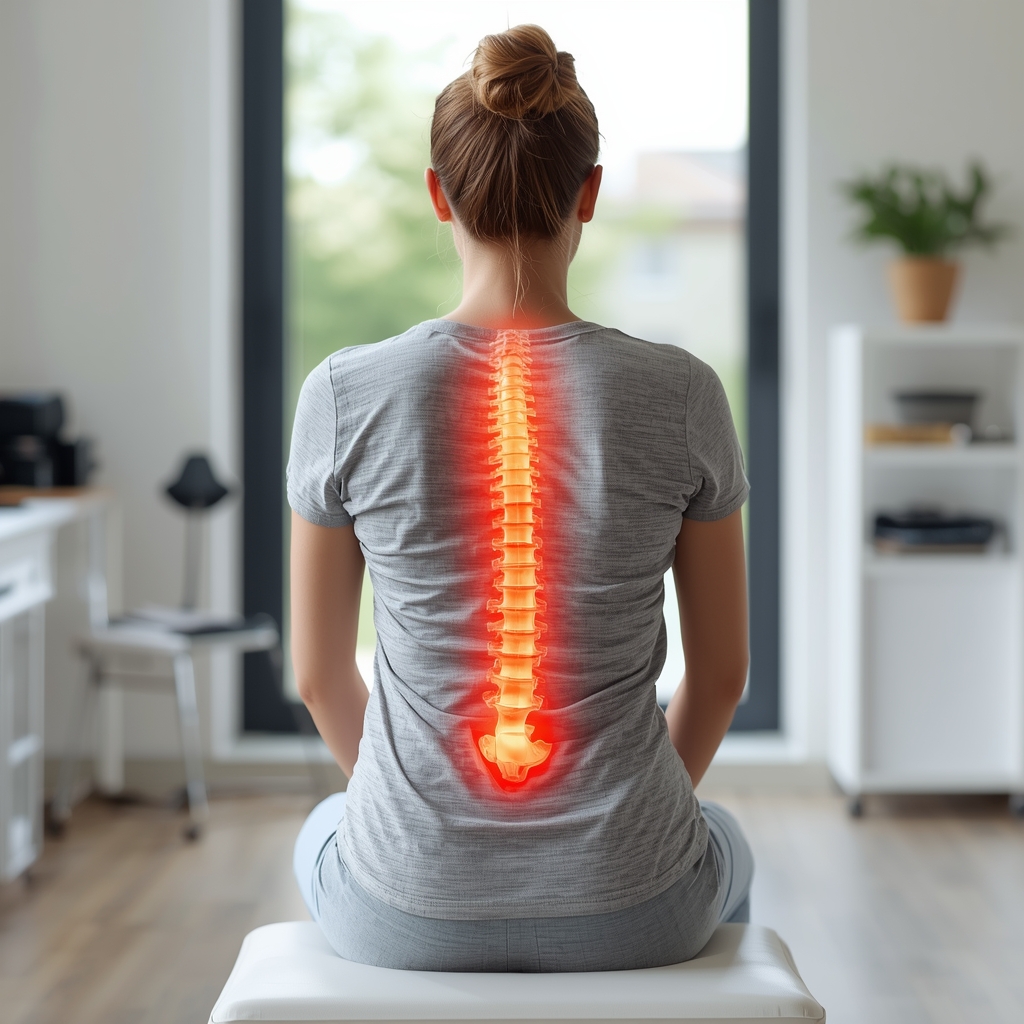
Understanding Spinal Realignment for Chronic Sciatica
Chiropractors often address chronic sciatica by focusing on spinal realignment, which aims to reduce pressure on the sciatic nerve. This approach emphasizes non-medication strategies, such as manual adjustments and lifestyle guidance. Educating patients about the spine's role in nerve function helps them understand how misalignments can contribute to pain. By explaining the connection between spinal health and nerve pathways, chiropractors empower patients to take an active role in their recovery. This foundational knowledge sets the stage for effective treatment and long-term management of symptoms.
Strategies for Patient Education
Chiropractors use clear, accessible language to explain spinal realignment techniques and their benefits. Visual aids, such as diagrams or models, may illustrate how misalignments affect the sciatic nerve. Patients are often taught about the importance of posture, movement patterns, and ergonomics in preventing further issues. Education also includes discussing the limitations of medication and the advantages of non-invasive care. By fostering open dialogue, chiropractors help patients make informed decisions about their treatment plans and build trust in the process.
Spinal Realignment Techniques and Mechanisms
Spinal adjustments involve precise, controlled movements to correct misalignments in the vertebrae. These techniques aim to restore proper nerve function and reduce inflammation around the sciatic nerve. Chiropractors may use diversified, mobilization, or activator methods depending on the patient’s needs. The goal is to alleviate pressure on nerves and improve spinal stability. Patients are often advised to avoid activities that exacerbate symptoms, such as prolonged sitting or heavy lifting. This holistic approach addresses both the immediate pain and underlying structural issues contributing to chronic sciatica.
Integrating Lifestyle and Home Modifications
Chiropractors frequently recommend lifestyle changes to support spinal realignment outcomes. These may include regular low-impact exercise, such as walking or swimming, to strengthen core muscles and improve flexibility. Patients are also guided on proper sleeping positions and ergonomic adjustments for workspaces. Education on stress management and relaxation techniques can further reduce muscle tension that aggravates sciatica. By combining professional care with daily habits, patients can enhance their recovery and reduce the risk of recurring pain. This collaborative approach reinforces the importance of self-care in managing chronic conditions.
Typical Outcomes and Patient Progress
Many patients report reduced pain and improved mobility after spinal realignment sessions. While results vary, consistent care often leads to decreased nerve irritation and better posture. Some individuals experience faster relief, while others require ongoing adjustments to maintain progress. Chiropractors track improvements through patient feedback and physical assessments, adjusting treatment plans as needed. It’s important to note that outcomes depend on factors like the severity of the condition and patient adherence to recommendations. Over time, many find that non-medication approaches provide sustainable relief and fewer side effects compared to pharmaceutical options.
Building a Collaborative Care Plan
Effective management of chronic sciatica requires a partnership between patients and chiropractors. Regular follow-ups allow for monitoring progress and making necessary adjustments to the treatment plan. Patients are encouraged to communicate any changes in symptoms or challenges with lifestyle modifications. This ongoing dialogue ensures care remains tailored to individual needs. Chiropractors may also refer patients to other healthcare providers for complementary support when needed. By maintaining open communication, both parties work together to achieve long-term pain relief and improved quality of life without relying on medication.













