
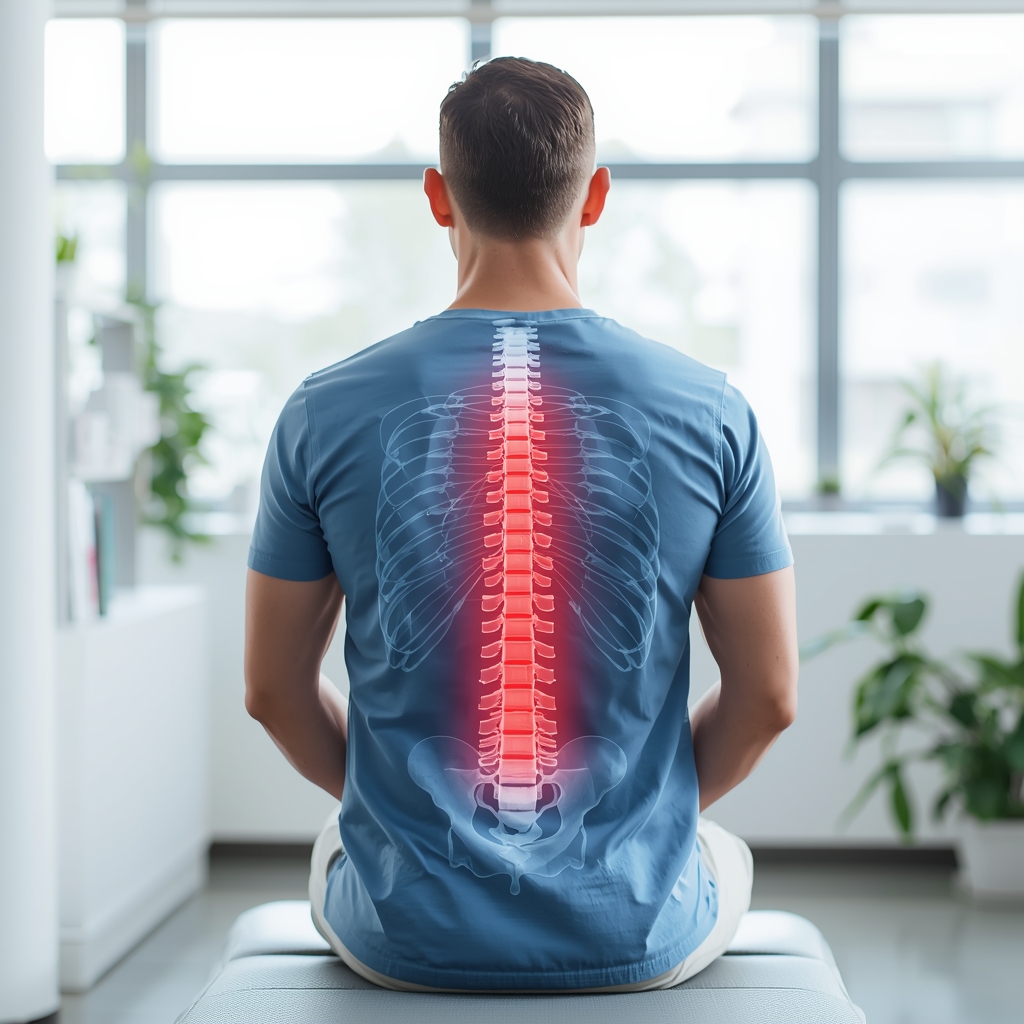
Understanding Degenerative Disc Disease and Non-Surgical Options
Degenerative disc disease (DDD) refers to the gradual breakdown of intervertebral discs, often causing chronic pain and reduced mobility. While surgery is an option for severe cases, non-surgical chiropractic techniques focus on managing symptoms and improving function. These approaches prioritize spinal alignment, nerve function, and musculoskeletal support. Common methods include spinal manipulation, decompression therapy, and soft tissue work. Unlike invasive procedures, non-surgical care aims to alleviate pressure on discs and surrounding structures while promoting natural healing. Conservative care, such as physical therapy or medication, may overlap with chiropractic strategies but often emphasizes different tools. Understanding these options helps patients make informed choices about their treatment plans.
Spinal Manipulation and Adjustments
Spinal manipulation, a cornerstone of chiropractic care, involves manual adjustments to restore proper joint function and reduce nerve irritation. For DDD, this technique can ease pressure on affected discs and improve spinal mobility. Studies suggest that regular adjustments may decrease pain and enhance quality of life for some patients. However, results vary, and adjustments are typically part of a broader treatment plan. Chiropractors tailor techniques to individual needs, avoiding excessive force. While effective for many, it’s important to consult a qualified provider to ensure safety, especially for those with advanced DDD or other spinal conditions.
Decompression Therapy and Mechanical Support
Spinal decompression therapy uses mechanical devices to gently stretch the spine, creating space between vertebrae and relieving pressure on discs. This non-invasive method is often used for DDD to reduce nerve compression and inflammation. Unlike manual adjustments, decompression provides consistent, controlled traction, which may be beneficial for patients with chronic pain. Some research indicates it can improve disc hydration and slow degeneration. However, its effectiveness depends on proper implementation and patient adherence. When combined with other chiropractic techniques, decompression may offer long-term relief. Patients should discuss this option with a chiropractor to determine if it aligns with their specific condition and goals.
Comparing Chiropractic Techniques to Conservative Care
Conservative care for DDD typically includes physical therapy, medications, and lifestyle modifications. While these approaches focus on symptom management, chiropractic techniques often address structural imbalances that contribute to pain. For example, physical therapy emphasizes strengthening and flexibility, whereas chiropractic care prioritizes spinal alignment. Medications like anti-inflammatories may provide short-term relief but don’t resolve underlying issues. Chiropractic methods, when used alongside conservative strategies, can complement traditional treatments. However, the choice between options depends on individual needs, severity of symptoms, and professional guidance. Both approaches aim to improve function but differ in their primary mechanisms and long-term goals.
Evidence-Based Practices and Patient Considerations
Research on non-surgical DDD treatments highlights the importance of personalized care. While some studies show chiropractic techniques can reduce pain and improve mobility, results are not universal. Patients should consider factors like disc location, overall health, and treatment history when choosing options. Chiropractic care often involves a multi-modal approach, combining adjustments, therapy, and education. Conservative methods may include exercise programs or ergonomic adjustments. Open communication with healthcare providers is key to developing an effective plan. Both approaches require time and consistency, and patients should monitor their progress to make informed adjustments to their care strategy.
Conclusion: Choosing the Right Approach for DDD
Managing degenerative disc disease involves exploring non-surgical options that align with individual needs. Chiropractic techniques like spinal manipulation and decompression offer targeted support for spinal health, while conservative care provides broader symptom management. The effectiveness of each approach depends on factors such as condition severity and patient preferences. A collaborative approach, involving chiropractors and other healthcare professionals, can optimize outcomes. Patients are encouraged to research options, ask questions, and prioritize treatments that promote long-term well-being. Ultimately, the goal is to reduce pain, improve function, and enhance quality of life through informed, holistic care.













