
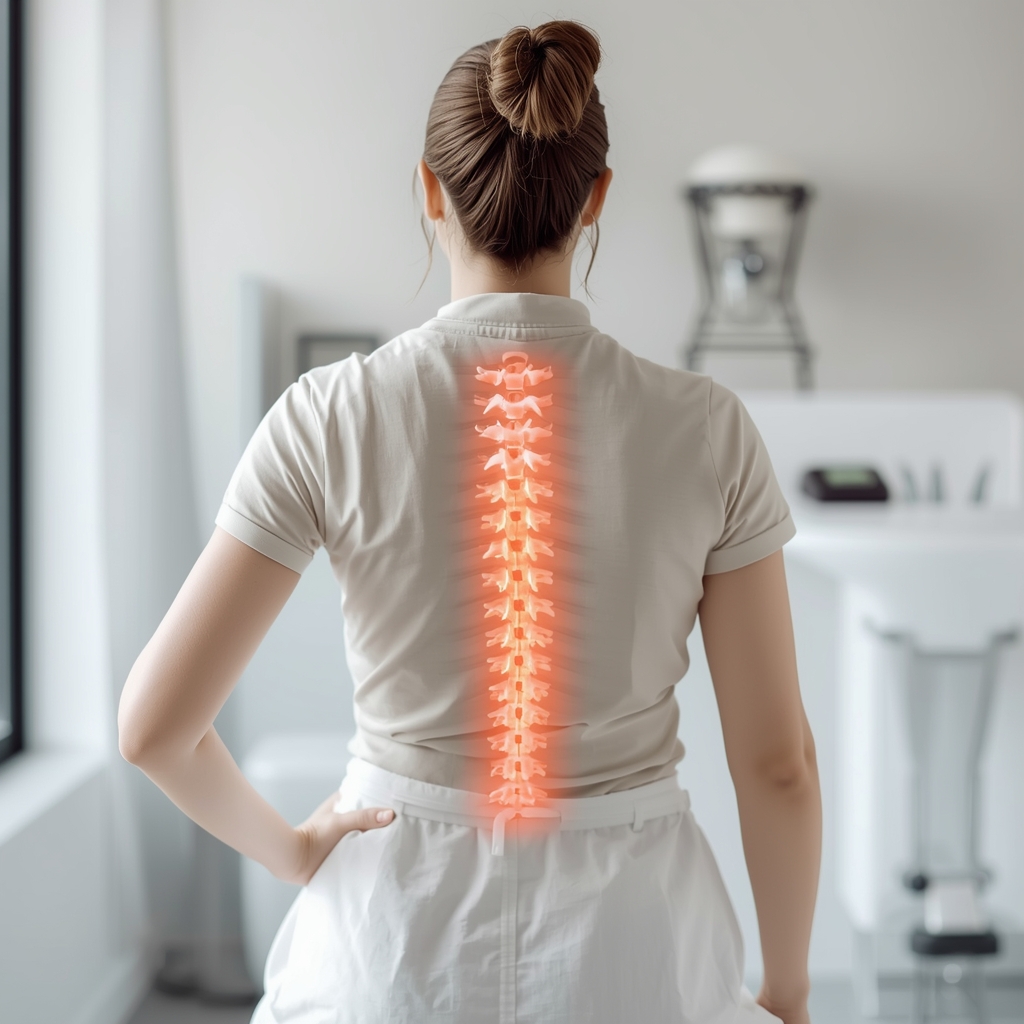
Understanding Herniated Discs and Non-Surgical Options
Herniated discs occur when the soft inner material of a spinal disc protrudes through its outer layer, potentially irritating nearby nerves. While surgery is an option for severe cases, many patients seek non-surgical approaches to manage pain and improve mobility. Chiropractic care focuses on addressing the root causes of discomfort through gentle, non-invasive techniques. These methods aim to reduce inflammation, realign the spine, and support the body’s natural healing processes. Patients often explore chiropractic treatments as a first-line solution before considering more aggressive interventions. Understanding the available options helps individuals make informed decisions about their care.
Spinal Adjustments and Manual Manipulation
Spinal adjustments, a cornerstone of chiropractic care, involve precise manual movements to realign the spine and relieve pressure on affected discs. By restoring proper joint function, these adjustments can reduce nerve irritation and alleviate pain. Many patients report improved mobility and decreased discomfort after regular sessions. Chiropractors tailor adjustments to individual needs, ensuring safety and effectiveness. While not a cure, this technique supports the body’s ability to heal itself. It is often combined with other therapies for optimal results. Always consult a qualified chiropractor to determine if this approach suits your condition.
Decompression Therapy for Disc Relief
Spinal decompression therapy uses mechanical traction to gently stretch the spine, creating negative pressure that can rehydrate discs and reduce nerve compression. This non-surgical method is often recommended for herniated or bulging discs, as it alleviates pain and promotes healing. Studies suggest decompression therapy may help some patients avoid surgery by improving disc health and mobility. The process is typically painless and involves specialized equipment to target specific areas. While results vary, many find it a valuable option for long-term relief. A chiropractor can assess whether this therapy aligns with your treatment goals.
Soft Tissue Techniques and Myofascial Release
Soft tissue therapies, such as myofascial release and trigger point therapy, address muscle tension and inflammation that may exacerbate disc-related pain. These techniques involve hands-on manipulation to relax tight muscles, improve blood flow, and reduce pressure on the spine. By targeting surrounding tissues, chiropractors can enhance the effectiveness of other treatments. Patients often experience reduced stiffness and improved range of motion. These methods are particularly useful for managing secondary symptoms like muscle spasms. When integrated with spinal care, soft tissue work supports a holistic approach to recovery. Discuss with your chiropractor to explore how these techniques might benefit you.
Corrective Exercises and Posture Training
Chiropractors often prescribe corrective exercises to strengthen core muscles, improve posture, and stabilize the spine. These tailored routines help reduce strain on herniated discs and prevent future injuries. Activities like stretching, low-impact aerobic exercises, and resistance training are commonly recommended. Proper posture training also plays a role in long-term management, as poor alignment can worsen disc pressure. Consistent practice enhances spinal resilience and supports overall musculoskeletal health. While these exercises complement other treatments, they should be guided by a professional to ensure safety. Incorporating movement into daily life can significantly impact recovery and prevention.
Combining Approaches for Comprehensive Care
Non-surgical chiropractic care often involves a multi-faceted strategy, combining adjustments, decompression, soft tissue work, and exercise. This integrated approach addresses both structural and functional aspects of disc-related issues. Patients may experience gradual improvement as the body adapts to these interventions. Regular follow-ups with a chiropractor help monitor progress and adjust the plan as needed. While results vary, many find long-term relief through consistent, personalized care. It is essential to maintain open communication with your provider to ensure the chosen techniques align with your goals. Exploring these options can empower patients to take an active role in their recovery journey.












