
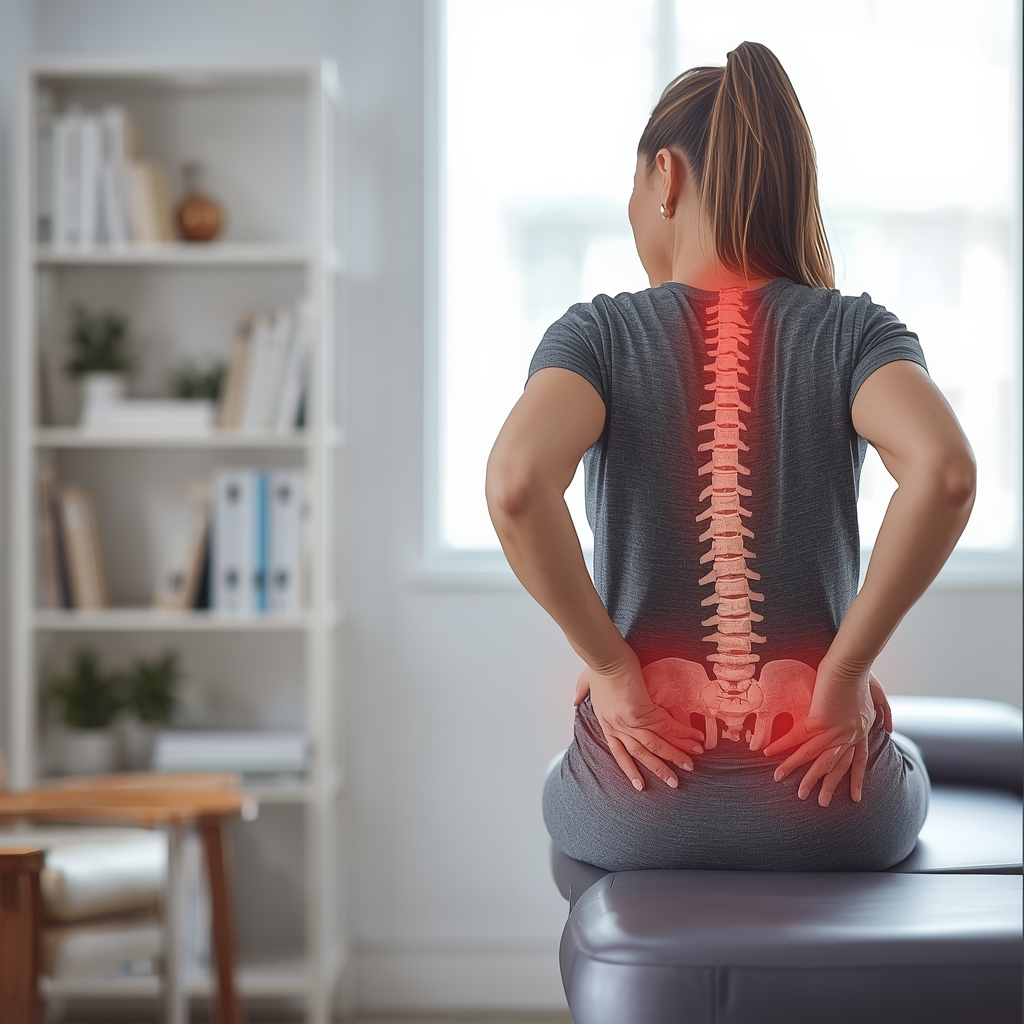
Understanding Iliotibial Band Syndrome and Postural Impact
Iliotibial Band Syndrome (ITBS) occurs when the iliotibial band, a thick tissue running along the outer thigh, becomes inflamed due to repetitive friction against the femur. This often affects athletes, particularly runners, but can also stem from poor posture that alters gait mechanics. Poor posture, such as excessive forward lean or hip imbalance, increases strain on the IT band, exacerbating hip pain. Chiropractors recognize these connections, addressing both the symptomatic area and underlying musculoskeletal imbalances. By evaluating movement patterns and alignment, they identify how postural habits contribute to ITBS, creating a foundation for targeted care.
Chiropractic Adjustments for Hip and Pelvic Alignment
Chiropractic adjustments focus on restoring proper alignment to the pelvis and spine, which can alleviate pressure on the IT band. Misalignments in the sacroiliac joint or lumbar spine may contribute to uneven weight distribution, worsening ITBS-related hip pain. Through manual adjustments, chiropractors aim to correct these imbalances, improving joint mobility and reducing inflammation. This approach also supports the body’s natural healing processes by ensuring nervous system function is optimized. Patients often report decreased pain and improved range of motion after consistent adjustments, highlighting the role of structural integrity in managing ITBS.
Soft Tissue Techniques to Alleviate IT Band Tension
Chiropractors frequently use soft tissue therapies like Active Release Technique (ART) or myofascial release to address ITBS. These methods target tightness and adhesions in the iliotibial band, restoring flexibility and reducing friction. By manually manipulating the affected tissues, practitioners help break down scar tissue and improve blood flow, which accelerates recovery. Such techniques are often combined with stretching exercises to maintain gains. For patients with chronic ITBS, these interventions can be critical in preventing recurrence, as they address both the physical restrictions and the biomechanical factors contributing to the condition.
Posture Correction and Ergonomic Guidance
Poor posture, such as excessive lumbar lordosis or anterior pelvic tilt, can perpetuate ITBS by altering lower body mechanics. Chiropractors assess a patient’s standing and sitting posture, offering personalized ergonomic advice to promote healthier habits. This may include adjustments to workstations, footwear, or daily activities that strain the IT band. By retraining the body’s alignment, chiropractors help reduce compensatory movements that worsen hip pain. Patients are often guided through corrective exercises to strengthen core and hip stabilizers, reinforcing proper posture and preventing future flare-ups.
Integrating Movement and Rehabilitation Strategies
Chiropractic care for ITBS often incorporates rehabilitative exercises to strengthen muscles around the hip and knee, reducing reliance on the IT band. These may include hip abductor strengthening, core stability drills, and gait retraining. Chiropractors may also recommend low-impact activities like swimming or cycling to maintain fitness without aggravating the condition. By combining manual care with targeted movement, they address both the root causes and symptoms of ITBS. This holistic approach empowers patients to take an active role in their recovery while minimizing the risk of re-injury.
When to Seek Professional Evaluation
If hip pain persists despite rest or self-care, consulting a chiropractor is advisable. They can differentiate ITBS from other conditions like hip arthritis or sciatica, ensuring accurate diagnosis. A chiropractor will develop a tailored plan addressing both ITBS and posture-related factors, avoiding generic solutions. While this article provides general insights, individualized care is essential for effective treatment. Patients should discuss their unique needs with a qualified provider to determine the best path forward, emphasizing collaboration between patient and practitioner for optimal outcomes.














