
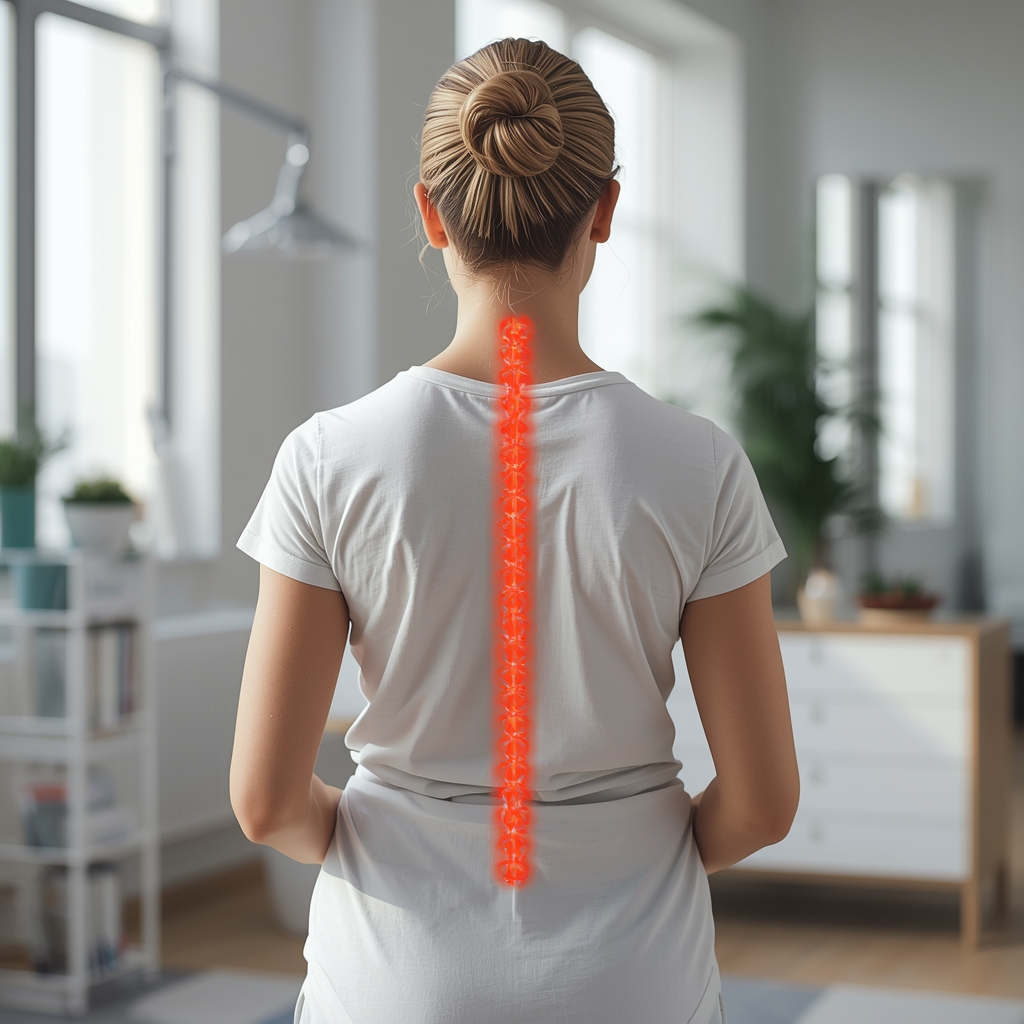
Understanding Adult Scoliosis and Non-Surgical Options
Scoliosis in adults refers to an abnormal sideways curvature of the spine, often causing discomfort or mobility issues. While surgical intervention may be considered in severe cases, many adults seek non-surgical approaches to manage symptoms and improve quality of life. Chiropractic care offers strategies to address spinal misalignments, reduce pain, and enhance mobility. These methods focus on supporting the body’s natural ability to function optimally, rather than relying on medication or invasive procedures. It’s important to note that non-surgical chiropractic care should be part of a comprehensive plan discussed with a qualified healthcare provider to ensure safety and effectiveness.
Spinal Adjustments and Manual Therapy
Spinal adjustments, a cornerstone of chiropractic care, involve precise manual techniques to realign the spine and alleviate pressure on nerves. For adults with scoliosis, these adjustments may help improve posture, reduce pain, and enhance spinal function. Chiropractors may use gentle, targeted movements to address specific areas of misalignment, aiming to restore balance to the musculoskeletal system. While adjustments alone may not correct the curvature, they can contribute to better overall spinal health. Patients often report reduced stiffness and improved range of motion after regular sessions. However, the effectiveness of these techniques varies, and a personalized approach is essential for each individual’s unique condition.
Corrective Exercises for Spinal Stability
Customized corrective exercises are a key component of non-surgical scoliosis management. These exercises focus on strengthening core muscles, improving flexibility, and promoting proper posture. A chiropractor may recommend specific stretches or movements to address muscle imbalances that contribute to spinal curvature. Activities like yoga, Pilates, or targeted resistance training can help stabilize the spine and reduce discomfort. Consistency is critical, as these exercises work gradually to support long-term spinal health. While they cannot reverse scoliosis, they can enhance mobility and reduce the risk of further complications. Always consult a chiropractor before starting any exercise program to ensure it aligns with your condition.
Soft Tissue Therapy and Myofascial Release
Soft tissue therapy, including myofascial release, addresses tension in muscles and connective tissues surrounding the spine. Adults with scoliosis often experience muscle tightness or spasms due to uneven weight distribution. Techniques such as massage, trigger point therapy, or instrument-assisted soft tissue mobilization can relieve these symptoms and improve flexibility. By reducing muscle strain, these therapies may indirectly support spinal alignment and reduce pain. Chiropractors may combine soft tissue work with other treatments for a holistic approach. While not a standalone solution, this therapy can enhance the effectiveness of other non-surgical interventions when tailored to individual needs.
Posture Correction and Ergonomic Adjustments
Posture plays a significant role in managing scoliosis-related discomfort. Poor posture can exacerbate spinal imbalances, while corrective strategies may help alleviate strain. Chiropractors often guide patients in adopting ergonomic practices, such as proper sitting and standing techniques, to reduce pressure on the spine. Devices like ergonomic chairs or supportive pillows may be recommended to maintain alignment during daily activities. Additionally, exercises to strengthen postural muscles can complement these adjustments. Over time, these changes may lead to improved comfort and reduced fatigue. However, results depend on consistent application and professional guidance to ensure proper implementation.
Integrating Chiropractic Care with Other Approaches
Non-surgical scoliosis management often benefits from an integrative approach. Chiropractic care may be combined with physical therapy, acupuncture, or lifestyle modifications to address multiple aspects of spinal health. For example, physical therapy can reinforce the benefits of adjustments, while acupuncture may help manage pain. Patients are encouraged to discuss all treatment options with their chiropractor to create a cohesive plan. It’s crucial to prioritize evidence-based practices and avoid unproven methods. Regular follow-ups allow for adjustments to the care plan as needed, ensuring it remains effective and safe for long-term use.













