
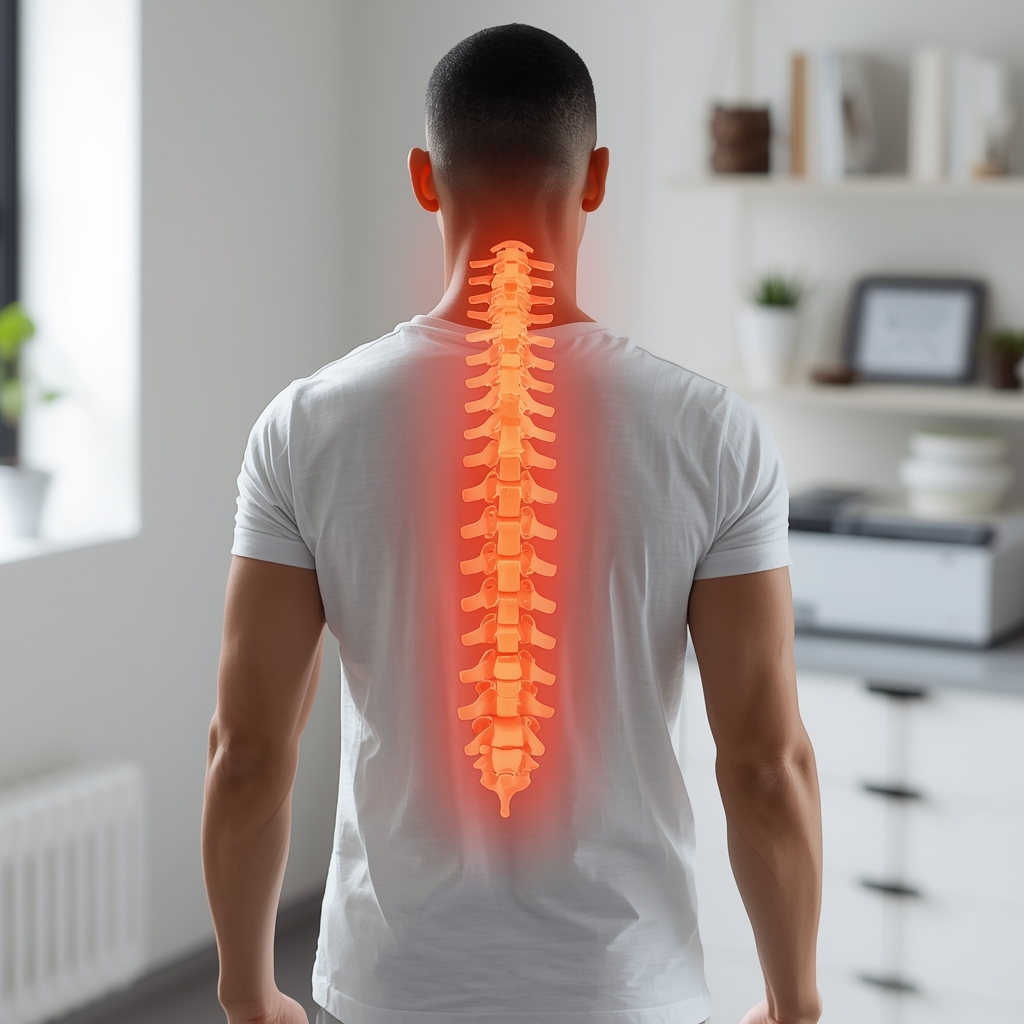
New Focus on Digital Age Posture Challenges
The American Chiropractic Association (ACA) has recently emphasized the growing need for posture correction as digital device usage reshapes daily habits. Prolonged screen time, remote work, and mobile device reliance have led to increased reports of musculoskeletal strain, particularly in the neck, shoulders, and back. These changes highlight the importance of proactive chiropractic strategies to address modern postural imbalances. The ACA’s updated guidelines reflect a broader recognition of how technology impacts physical health, urging practitioners to integrate ergonomic principles into patient care. By focusing on prevention and education, chiropractors can help mitigate the long-term effects of poor posture in an increasingly screen-centric world.
Ergonomic Assessments as a Core Practice
A key component of the ACA’s guidelines is the recommendation for comprehensive ergonomic assessments during patient consultations. Chiropractors are encouraged to evaluate workspaces, seating arrangements, and device usage patterns to identify risk factors for postural issues. This approach allows for personalized recommendations, such as adjusting monitor heights, using supportive chairs, or incorporating standing desks. The guidelines stress that ergonomic interventions should be tailored to individual lifestyles, whether patients work from home, commute frequently, or have sedentary jobs. By prioritizing these assessments, chiropractors can address the root causes of posture-related discomfort rather than just treating symptoms, fostering long-term musculoskeletal health.
Education on Posture Awareness and Movement
The ACA’s updates also highlight the role of patient education in combating digital-age posture problems. Chiropractors are advised to teach patients about the importance of regular movement, proper sitting techniques, and the risks of prolonged static postures. Simple strategies like the 20-20-20 rule (every 20 minutes, look 20 feet away for 20 seconds) can reduce eye and neck strain. Additionally, incorporating stretching routines and strengthening exercises for the core and upper back can improve overall posture. The guidelines emphasize that empowering patients with knowledge enables them to make sustainable lifestyle changes, reducing dependency on passive treatments and promoting self-care practices.
Integration of Technology in Posture Monitoring
With the rise of wearable technology and posture-tracking apps, the ACA’s guidelines encourage chiropractors to explore digital tools as part of posture correction. Devices that monitor sitting habits, provide real-time feedback, or track movement patterns can help patients become more aware of their postural behaviors. Chiropractors are advised to stay informed about these innovations and guide patients in using them effectively. However, the guidelines caution against over-reliance on technology, advocating for a balanced approach that combines digital insights with hands-on assessments. This integration allows for more dynamic and responsive care, aligning traditional chiropractic methods with modern health trends.
Collaboration with Other Healthcare Providers
The ACA’s updated guidelines stress the value of interdisciplinary collaboration in addressing posture issues. Chiropractors are encouraged to work alongside physical therapists, ergonomists, and occupational health specialists to create holistic treatment plans. This partnership ensures that patients receive comprehensive care, addressing both biomechanical and environmental factors contributing to poor posture. For example, a physical therapist might design a strengthening program, while a chiropractor focuses on spinal alignment. The guidelines also suggest referring patients to mental health professionals if stress or anxiety exacerbates posture problems. Such collaborative efforts enhance treatment outcomes and reflect a more integrated approach to patient well-being.
Adapting to Evolving Patient Needs
As digital work environments continue to evolve, the ACA’s guidelines underscore the need for chiropractors to remain adaptable. This includes staying updated on emerging research about posture and technology, as well as adjusting treatment protocols to reflect new challenges. For instance, the increasing use of virtual reality or augmented reality devices may introduce novel postural demands. Chiropractors are advised to engage in ongoing education and professional development to maintain expertise in this area. By embracing flexibility and innovation, practitioners can better serve patients navigating the complexities of modern life, ensuring that chiropractic care remains relevant and effective in addressing contemporary health concerns.














