
Understanding Sciatica and Nerve Conduction
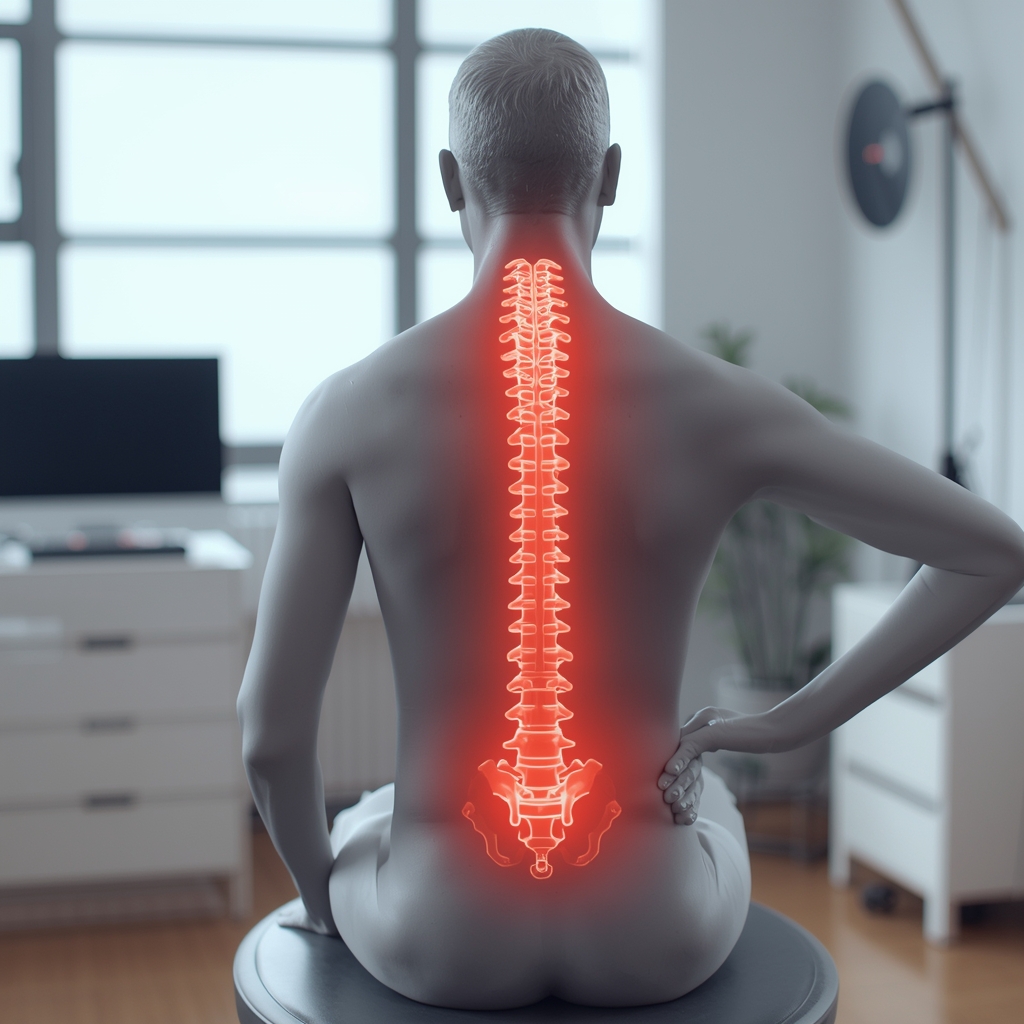
Sciatica occurs when the sciatic nerve, the body’s largest nerve, becomes compressed or irritated. This often leads to pain, numbness, or tingling along the nerve’s path. Nerve conduction velocity (NCV) measures how quickly electrical impulses travel through nerves. Compression can slow NCV, impairing communication between the brain and the affected areas. Chiropractic adjustments aim to alleviate this by addressing spinal misalignments, potentially restoring normal nerve function. While the exact mechanisms remain under study, research suggests spinal manipulation may influence neurophysiological processes that affect pain perception and nerve signaling. Understanding these interactions helps clarify how chiropractic care might support recovery in sciatica patients.
Mechanical Pressure Relief and Nerve Function
Spinal misalignments, or subluxations, can compress nerve roots, contributing to sciatica. Chiropractic adjustments seek to realign the spine, reducing mechanical pressure on the sciatic nerve. This relief may decrease inflammation and edema around the nerve, improving its ability to conduct signals efficiently. By restoring proper joint motion, adjustments could enhance blood flow and nutrient delivery to neural tissues, further supporting nerve health. While the direct impact on NCV requires further investigation, the reduction of physical stressors on the nerve is a plausible mechanism for symptom improvement. Patients often report decreased pain and improved mobility following adjustments, suggesting a connection between structural correction and neurophysiological function.
Inflammation Reduction and Neural Recovery
Inflammation is a key factor in nerve irritation and pain associated with sciatica. Spinal adjustments may influence inflammatory responses by modulating the body’s immune activity and reducing localized swelling. Lower inflammation levels can alleviate pressure on the sciatic nerve, potentially enhancing nerve conduction velocities. Additionally, adjustments might stimulate the release of anti-inflammatory substances, such as cytokines, which could aid in neural recovery. This interplay between mechanical and biochemical factors highlights the multifaceted nature of chiropractic care. While the precise pathways remain unclear, the reduction of inflammatory markers is a promising area for future research into how spinal manipulation supports nerve health.
Central Nervous System Modulation
Chiropractic adjustments may influence the central nervous system (CNS) by altering sensory input from the spine. This can affect pain processing in the brain and spinal cord, potentially reducing the perception of sciatica-related discomfort. The CNS plays a critical role in regulating nerve conduction, and adjustments might help normalize dysfunctional signaling patterns. For example, realigning the spine could restore proper afferent (sensory) input, which may improve the body’s ability to manage pain and promote healing. This modulation could also impact autonomic functions, such as blood flow and muscle tone, indirectly supporting nerve function. While the exact mechanisms are still being explored, the interaction between spinal adjustments and CNS activity is a key area of interest in chiropractic research.
Somatosensory Feedback and Reflex Regulation
Spinal manipulation may enhance somatosensory feedback, which is the nervous system’s ability to sense and respond to stimuli. By correcting misalignments, adjustments could improve the accuracy of sensory signals sent to the brain, potentially reducing abnormal pain signals associated with sciatica. This improved feedback might also regulate reflexes, such as muscle tone and joint stability, which are crucial for maintaining proper nerve function. For instance, reduced muscle tension around the spine could decrease pressure on nerve roots, allowing for more efficient conduction. These effects underscore the complex relationship between spinal mechanics and neural communication, offering a potential explanation for the pain-relieving benefits observed in some patients.
Conclusion: Integrating Mechanisms for Holistic Care
The effectiveness of chiropractic adjustments in reducing sciatica pain likely stems from a combination of mechanical, inflammatory, and neurological factors. By addressing spinal misalignments, adjustments may alleviate pressure on the sciatic nerve, reduce inflammation, and modulate central nervous system activity. While the direct impact on nerve conduction velocities remains an area for further study, the interplay between these mechanisms suggests a holistic approach to nerve health. Patients considering chiropractic care should consult with a qualified provider to explore how these neurophysiological processes might apply to their individual needs. Ongoing research continues to shed light on the intricate ways spinal adjustments influence the body’s natural healing capabilities.













