
Understanding Kinesio Taping and Its Role in Athletic Injury Prevention
Kinesio taping is a therapeutic technique used by healthcare professionals, including chiropractors, to support muscles, improve joint stability, and enhance proprioception. For athletes, this method is particularly valuable in preventing common injuries like ankle sprains, which often occur during high-impact activities such as running, jumping, or sudden directional changes. The tape works by gently lifting the skin, creating space for improved circulation and lymphatic drainage while providing sensory feedback to the nervous system. This feedback helps the body better sense joint position and movement, a critical factor in injury prevention. While not a substitute for proper training or equipment, kinesio taping is often used as part of a comprehensive strategy to reduce injury risk. Athletes and their care providers should explore its application under professional guidance to ensure safe and effective use.
Key Kinesio Taping Techniques for Ankle Sprain Prevention
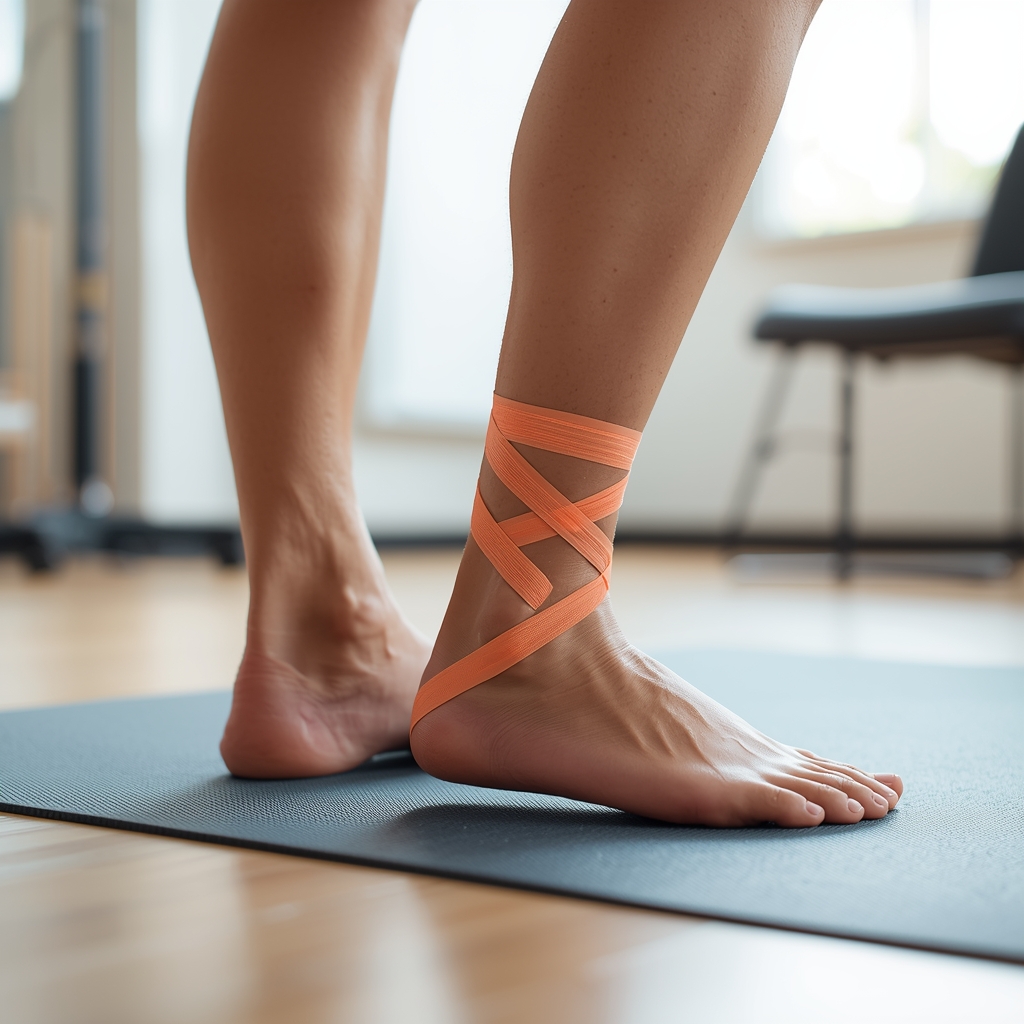
Several kinesio taping techniques are specifically designed to stabilize the ankle joint and reduce the risk of sprains. The “I” strip technique involves applying a strip of tape along the length of the ankle, providing support to the lateral ligaments. A “Y” strip technique, where the tape is shaped like a Y and applied from the top of the ankle to the sides, can offer additional reinforcement. Another method is the “X” strip, which crosses over the ankle joint to enhance stability during dynamic movements. These techniques aim to improve joint alignment and limit excessive inversion or eversion, common causes of sprains. Proper application is critical, as incorrect placement can reduce effectiveness or cause discomfort. Athletes should work with a trained professional to ensure the tape is applied correctly, tailored to their specific needs and activity levels.
How Kinesio Taping Enhances Proprioception During High-Impact Activities
Proprioception—the body’s ability to sense movement, position, and tension—is vital for maintaining balance and coordination, especially during high-impact sports. Kinesio taping supports proprioception by stimulating mechanoreceptors in the skin and underlying tissues, sending enhanced sensory signals to the brain. This heightened awareness allows athletes to adjust their movements more effectively, reducing the likelihood of awkward landings or missteps that could lead to injury. For example, during a jump or rapid change of direction, the tape’s subtle resistance can remind the body to maintain proper alignment. Over time, this feedback may help improve neuromuscular control, making the ankle more resilient to sudden stress. While the exact mechanisms are still studied, many athletes report improved confidence and stability with consistent use, highlighting its potential as a preventive tool.
Best Practices for Applying Kinesio Tape to the Ankle
Proper application of kinesio tape is essential to maximize its benefits and avoid complications. Begin by ensuring the skin is clean, dry, and free of oils or lotions. The athlete should be in a relaxed position, with the ankle in a neutral, slightly dorsiflexed position to prevent excessive tension. Cut the tape to the appropriate length, typically 10–15 inches for an “I” strip, and round the edges to prevent irritation. Apply the tape with light tension, starting from the base of the foot and working upward, ensuring it adheres securely without restricting circulation. For “Y” or “X” strips, follow specific guidelines to achieve the desired support. After application, gently rub the tape to activate the adhesive and check for any discomfort. Athletes should avoid submerging the taped area in water for the first 24 hours and monitor for skin reactions. Regular reapplication may be needed, depending on activity intensity and tape durability.
Evidence-Based Insights on Kinesio Taping Efficacy
While kinesio taping is widely used in sports settings, its efficacy remains a topic of ongoing research. Some studies suggest that it may improve joint stability and proprioception, potentially reducing injury risk, though results vary based on technique and individual factors. For instance, a review of clinical trials found that kinesio taping could enhance balance and reduce perceived pain in some cases, but more rigorous, long-term studies are needed to confirm its preventive benefits. Athletes should approach kinesio taping as one component of a broader injury prevention strategy, which may include strength training, flexibility exercises, and proper footwear. It is also important to recognize that not all athletes may experience the same outcomes, and personalization of techniques is key. Consulting a qualified chiropractor or sports therapist can help determine if kinesio taping is a suitable addition to an athlete’s regimen.
Consulting Professionals for Personalized Kinesio Taping Solutions
Given the variability in individual anatomy and athletic demands, consulting a healthcare professional is crucial for effective kinesio taping. Chiropractors, physical therapists, and sports medicine experts can assess an athlete’s specific needs and recommend the most appropriate taping techniques. They can also identify any underlying issues, such as muscle imbalances or joint instability, that may require additional interventions. For example, an athlete with a history of ankle sprains might benefit from a customized taping protocol combined with targeted strengthening exercises. Professionals can also monitor the athlete’s progress and adjust the taping strategy as needed. By working with experienced providers, athletes can ensure they receive safe, evidence-informed care that aligns with their goals. Ultimately, kinesio taping is most effective when integrated into a comprehensive approach to injury prevention and performance optimization.















