
Understanding Shoulder Impingement Syndrome and Kinesio Taping
Shoulder impingement syndrome occurs when tendons in the shoulder become compressed, causing pain and limited movement. This condition often results from repetitive overhead activities or poor posture. Kinesio taping, a therapeutic technique using elastic bands, is increasingly used to support musculoskeletal health. When combined with chiropractic adjustments, it may enhance recovery by reducing inflammation, improving joint mechanics, and promoting proper muscle function. The tape’s gentle lift on the skin is believed to decompress underlying tissues, potentially easing pressure on irritated structures. While research on its specific efficacy for impingement is limited, many practitioners report positive outcomes when integrating taping with manual therapies. This article explores common kinesio taping methods and their potential to complement chiropractic care in managing shoulder impingement.
Common Kinesio Taping Techniques for Shoulder Impingement
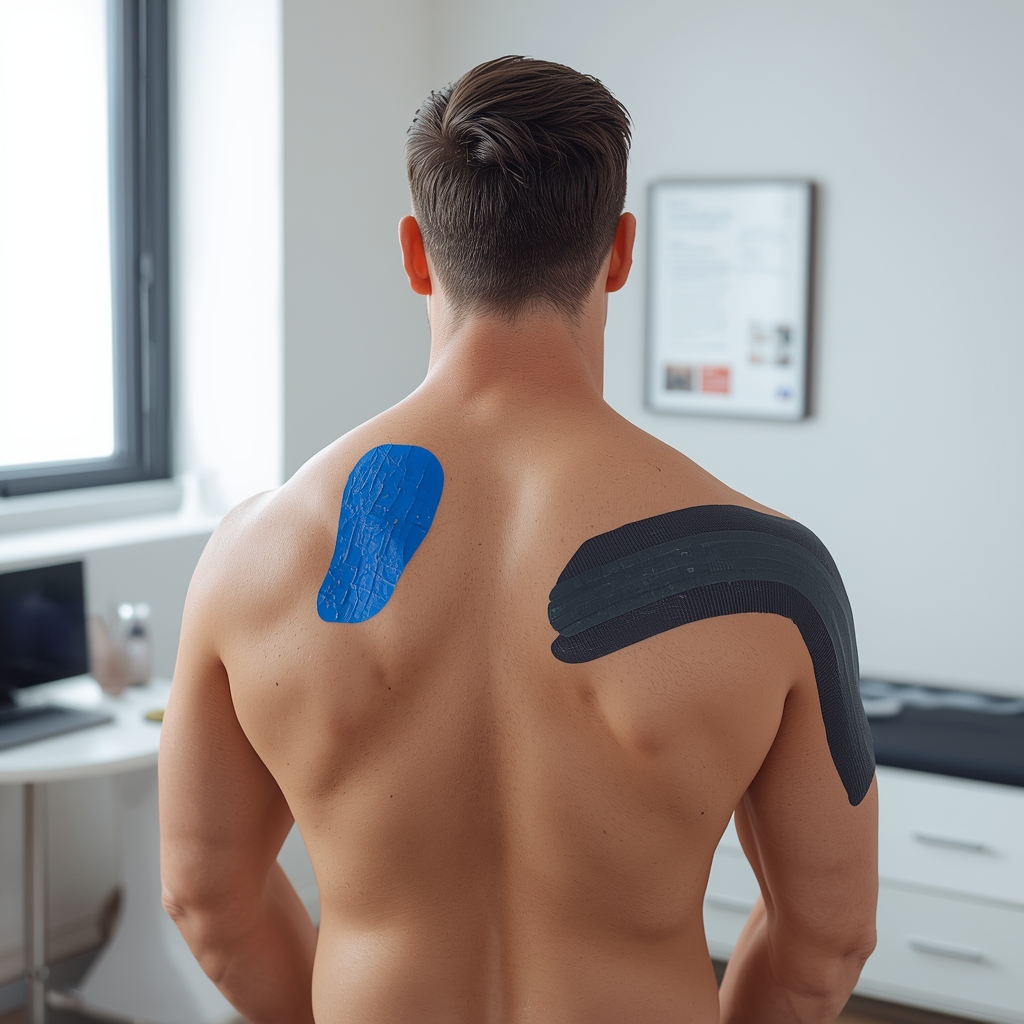
Several kinesio taping methods are used to address shoulder impingement. The Y-strip technique involves applying the tape in a Y-shape across the upper back and shoulder blades to stabilize the scapula and reduce strain on the rotator cuff. The I-strip method places tape along the arm’s lateral side to support the deltoid muscle and improve shoulder alignment. Another approach is the fan technique, which distributes tension across the shoulder joint to relieve pressure. These methods aim to correct biomechanics, enhance proprioception, and minimize pain during movement. While anecdotal evidence suggests these techniques may aid recovery, their effectiveness can vary based on individual anatomy and proper application. Chiropractors often tailor taping strategies to a patient’s specific needs, emphasizing collaboration between the patient and provider for optimal results.
How Chiropractic Adjustments Complement Kinesio Taping
Chiropractic adjustments focus on realigning the spine and joints to restore proper function and reduce nerve interference. When paired with kinesio taping, these adjustments may enhance outcomes by addressing both structural and muscular imbalances. For example, a misaligned thoracic spine can contribute to shoulder dysfunction, and adjustments can correct this while taping supports the affected muscles. The tape’s mechanical support may also help maintain proper joint positioning after an adjustment, reducing the risk of re-injury. This combined approach can improve mobility, decrease pain, and promote faster recovery. However, the exact mechanisms of synergy between taping and adjustments are not fully understood, and results depend on the practitioner’s skill and the patient’s adherence to care plans. Always consult a licensed chiropractor to determine the best strategies for your condition.
Improving Range of Motion Through Combined Therapies
Shoulder impingement often limits range of motion due to pain and restricted joint movement. Kinesio taping may help by reducing swelling and encouraging optimal muscle activation, which can make movement less painful. Chiropractic adjustments can further enhance mobility by correcting spinal or joint misalignments that contribute to shoulder dysfunction. Together, these therapies may create a more stable and functional shoulder environment. For instance, taping might support the rotator cuff during adjustments, allowing for greater flexibility. However, the effectiveness of this combination depends on factors like the severity of the condition and the patient’s overall health. Patients should work closely with their chiropractor to monitor progress and adjust treatment plans as needed. Consistency and proper technique are key to achieving lasting improvements in shoulder function.
The Role of Kinesio Taping in Reducing Inflammation and Pain
Inflammation and pain are central to shoulder impingement, and kinesio taping may offer relief by altering pressure on tissues. The tape’s elasticity is thought to lift the skin, creating space for improved circulation and lymphatic drainage, which can reduce swelling. This mechanical effect may also decrease pressure on nerves and tendons, alleviating discomfort. While not a substitute for medical treatment, taping can be a helpful adjunct to chiropractic care. Some studies suggest that kinesio taping may enhance proprioception, helping the body better sense and respond to movement. However, individual responses vary, and the tape’s benefits are likely most effective when used alongside other interventions. Patients should discuss their symptoms and goals with a healthcare provider to determine if taping is a suitable addition to their treatment plan.
Consulting a Chiropractor for Personalized Care
Each case of shoulder impingement is unique, and the effectiveness of kinesio taping and chiropractic adjustments depends on a personalized approach. A qualified chiropractor can assess your condition, identify contributing factors, and recommend tailored strategies. They may combine taping with other therapies, such as soft tissue work or corrective exercises, to address underlying issues. It’s important to communicate openly about your symptoms and goals to ensure the treatment aligns with your needs. While general guidelines exist, professional guidance is essential to avoid improper technique or over-reliance on any single method. By working with an experienced provider, you can maximize the benefits of combined therapies and take an active role in your recovery. Always seek care from licensed practitioners to ensure safety and effectiveness.













