
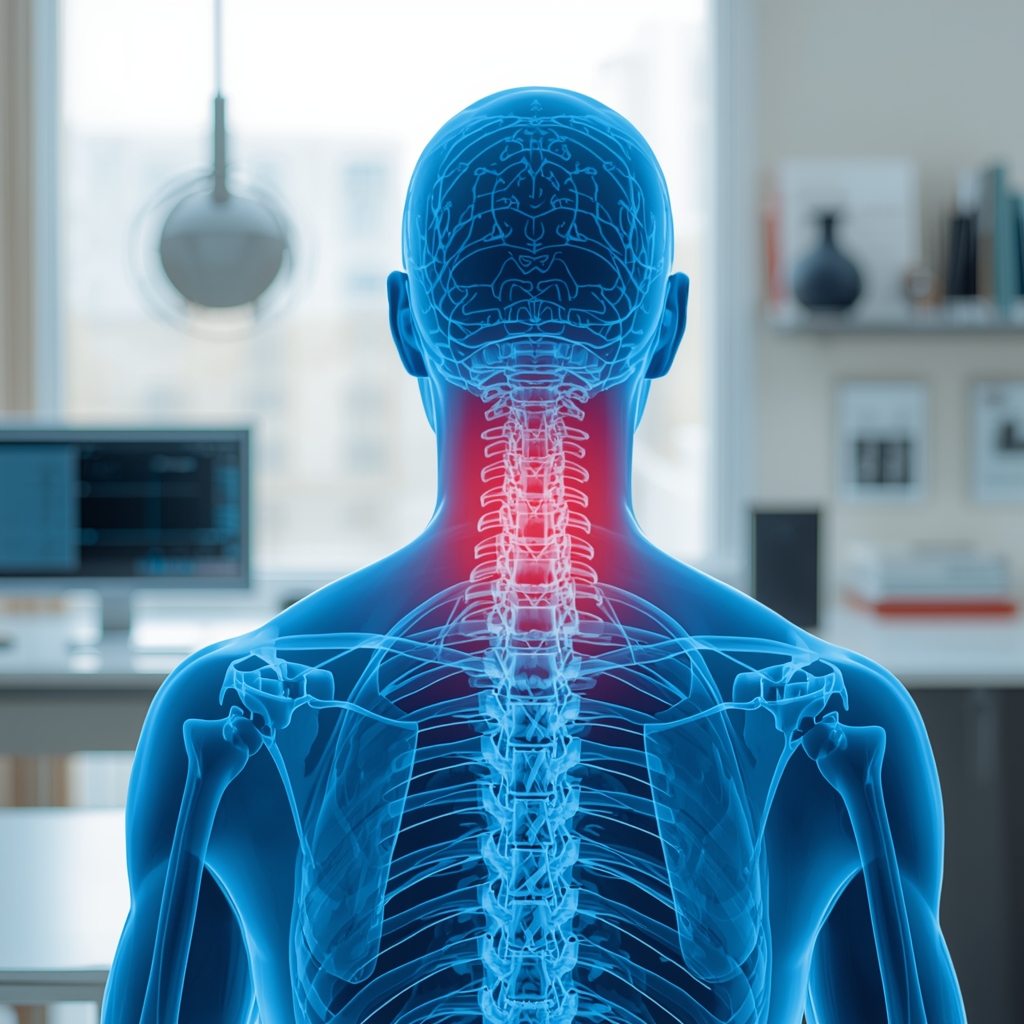
Understanding Thoracic Outlet Syndrome and Diagnostic Challenges
Thoracic Outlet Syndrome (TOS) occurs when nerves or blood vessels near the neck and shoulders become compressed, leading to pain, numbness, or weakness in the arms. Diagnosing TOS can be complex due to overlapping symptoms with other conditions, such as cervical radiculopathy or rotator cuff injuries. Traditional imaging methods like X-rays, MRI, or CT scans may not always capture the dynamic nature of nerve or vascular compression. Chiropractors often rely on clinical assessments to identify TOS, focusing on physical exams, patient history, and specific provocation tests. These methods aim to replicate symptoms and evaluate the body’s response, offering insights that imaging alone might miss. Understanding the strengths and limitations of both approaches is critical for accurate diagnosis and effective treatment planning.
Chiropractic Assessment Techniques for TOS
Chiropractors use a range of hands-on techniques to assess TOS, prioritizing patient-reported symptoms and physical findings. Common methods include the Adson’s Test, which evaluates arterial compression by checking pulse changes during neck movements, and the Wright’s Test, which assesses nerve irritation. Postural analysis and range-of-motion testing help identify musculoskeletal imbalances contributing to compression. Muscle strength and reflex testing further pinpoint neurological involvement. These assessments are often combined with palpation to detect tenderness or abnormalities in the thoracic outlet area. While these techniques are non-invasive and cost-effective, their reliability depends on the practitioner’s experience and the patient’s ability to communicate symptoms accurately.
Traditional Imaging Methods and Their Role
Traditional imaging, such as X-rays, MRI, and ultrasound, provides visual data to rule out structural issues like bone spurs or tumors that might compress nerves or blood vessels. X-rays are useful for evaluating bony abnormalities, while MRI offers detailed soft tissue imaging, including nerves and blood vessels. Ultrasound can dynamically assess vascular flow during movement. However, these methods may not always detect the functional or positional compression characteristic of TOS. For example, a normal MRI might not show nerve irritation caused by repetitive motions or poor posture. Imaging is often used alongside clinical findings to confirm or exclude other conditions, but it may not fully capture the complexity of TOS in real-world scenarios.
Comparing Reliability: Chiropractic vs. Imaging Approaches
Chiropractic assessments focus on functional and symptomatic indicators, which can be highly informative for TOS diagnosis. Techniques like provocation tests and postural evaluations are tailored to the patient’s unique presentation, offering a personalized approach. However, these methods rely on subjective interpretation and may vary between practitioners. In contrast, imaging provides objective data but may lack sensitivity for dynamic compression. For instance, a patient might experience symptoms during specific movements that imaging cannot replicate. While imaging is invaluable for ruling out other pathologies, chiropractic methods excel in identifying movement-related triggers. Combining both approaches often yields the most comprehensive understanding, though neither is foolproof without clinical context.
Integrating Chiropractic and Imaging Findings
A holistic diagnosis of TOS often involves integrating chiropractic assessments with imaging results. Chiropractors may use imaging to confirm structural abnormalities or rule out alternative causes, while their clinical findings guide treatment strategies. For example, if imaging shows no bony issues but a patient exhibits classic TOS symptoms, the chiropractor might prioritize functional tests and manual therapy. Conversely, imaging might reveal a herniated disc contributing to nerve compression, prompting a different approach. This collaborative strategy ensures that both static and dynamic factors are considered. Patients benefit from a multidisciplinary perspective, as it reduces the risk of misdiagnosis and supports tailored interventions. However, the final decision on treatment should always involve a qualified healthcare provider.
When to Seek Professional Guidance
Diagnosing TOS requires expertise to differentiate it from similar conditions. If you experience persistent arm pain, numbness, or weakness, consult a chiropractor or physician for a thorough evaluation. Chiropractic assessments can identify movement-related triggers, while imaging may clarify underlying structural issues. It’s important to note that no single method is universally reliable, and a combination of approaches often provides the clearest picture. Avoid self-diagnosis or relying solely on one technique, as this may lead to missed or incorrect conclusions. A qualified provider can determine the best diagnostic path based on your symptoms and medical history. Early and accurate diagnosis is key to effective management, whether through chiropractic care, physical therapy, or other interventions.












