
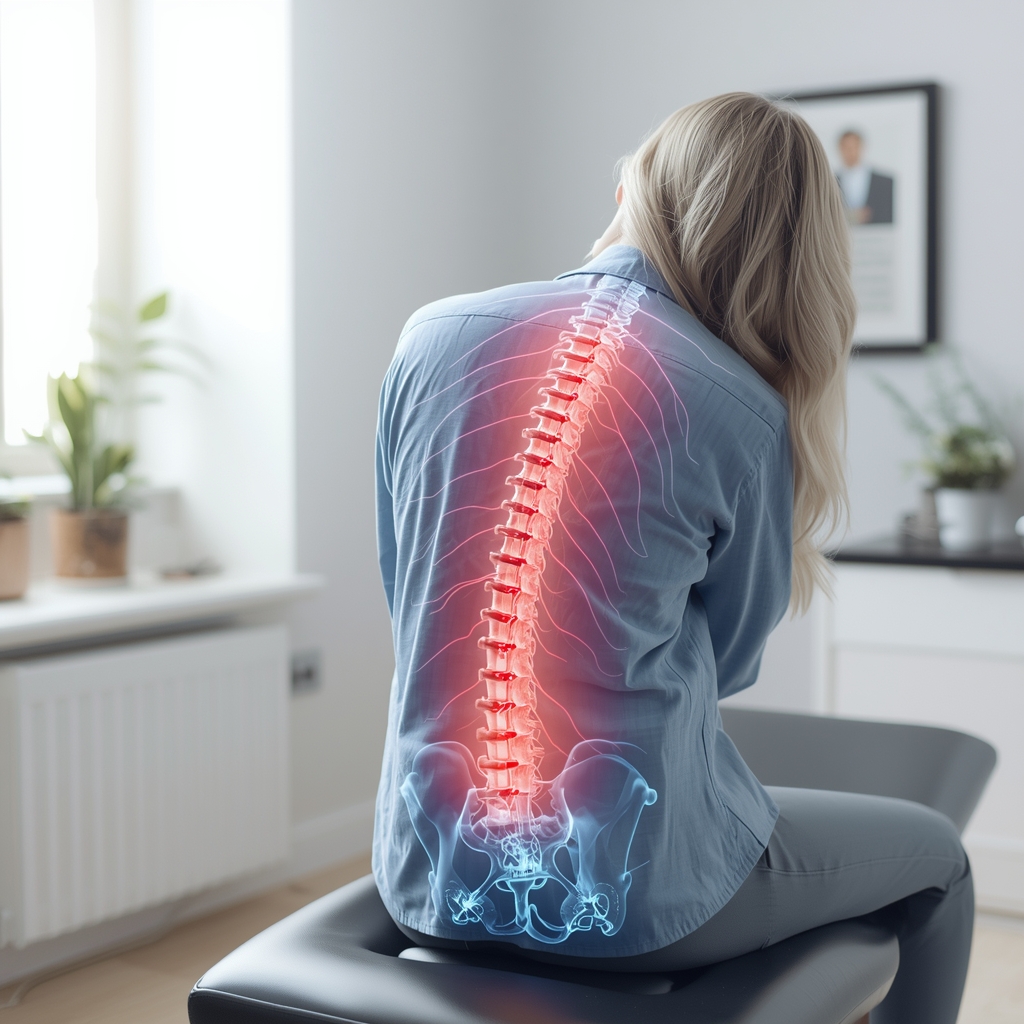
The Gate Control Theory of Pain and Spinal Manipulation
Spinal manipulation may influence pain perception through the gate control theory, a framework explaining how non-painful stimuli can modulate pain signals. This theory suggests that the central nervous system (CNS) has a 'gate' mechanism that regulates the transmission of pain signals to the brain. When spinal adjustments are performed, they may activate sensory nerves in the joints and muscles, sending competing signals that effectively 'close the gate' to pain signals. This process could reduce the brain's perception of pain, offering relief for conditions like back or neck pain. While the exact mechanisms remain under study, this theory highlights how spinal manipulation might interact with the CNS to alter pain pathways, providing a neurological basis for its therapeutic effects.
Neurochemical Responses to Spinal Adjustments
Spinal manipulation can trigger the release of various neurochemicals that influence pain and inflammation. For instance, adjustments may stimulate the production of endorphins, the body's natural painkillers, which bind to opioid receptors in the brain and spinal cord. This can lead to reduced pain sensitivity and improved mood. Additionally, spinal manipulation may affect the release of neurotransmitters like serotonin and norepinephrine, which play roles in regulating pain and stress responses. These neurochemical changes could explain why some patients experience immediate or sustained pain relief after an adjustment. However, research in this area is ongoing, and the precise interactions between spinal manipulation and the CNS remain an active area of investigation.
Central Nervous System Modulation and Spinal Manipulation
The central nervous system (CNS), comprising the brain and spinal cord, plays a critical role in processing and modulating pain. Spinal manipulation may influence the CNS by altering neural activity in the spinal cord and brain regions involved in pain perception. For example, adjustments could affect the activity of the dorsal horn of the spinal cord, which processes sensory information. By modulating this activity, spinal manipulation might reduce the amplification of pain signals. Additionally, changes in CNS activity could lead to improved motor control and reduced muscle tension, further contributing to pain relief. These effects underscore the complex interplay between spinal adjustments and the CNS, though more research is needed to fully understand the underlying mechanisms.
Reflex Pathways and Spinal Manipulation
Spinal manipulation can activate reflex pathways that influence muscle tone, joint function, and pain responses. For instance, adjustments may stimulate proprioceptors—sensory receptors in muscles and joints—that send feedback to the CNS. This feedback can help regulate muscle activity and improve joint stability, potentially reducing pain caused by misalignments or dysfunction. Additionally, spinal manipulation may influence the autonomic nervous system, which controls involuntary functions like heart rate and blood pressure. By modulating these reflexes, adjustments could contribute to pain relief and overall physiological balance. However, the extent to which these reflex pathways are involved in the effects of spinal manipulation remains an area of ongoing research and clinical interest.
Impact on Neural Plasticity and Chronic Pain
Chronic pain is often associated with changes in neural plasticity—the brain's ability to reorganize itself by forming new neural connections. Spinal manipulation may influence this process by altering the way the CNS processes pain signals. For example, repeated adjustments could help retrain the brain to interpret sensory input differently, potentially reducing the perception of pain. This effect is particularly relevant for conditions like chronic low back pain, where the CNS may become hypersensitive. While preliminary studies suggest a potential role for spinal manipulation in modulating neural plasticity, more research is needed to determine the long-term implications and effectiveness of this approach for chronic pain management.
Conclusion: Integrating Neurological Insights into Chiropractic Practice
Understanding the neurological mechanisms behind spinal manipulation provides valuable insights into its pain-relieving effects. By influencing pain pathways, neurochemical responses, and CNS activity, adjustments may offer a multifaceted approach to pain management. However, these mechanisms are complex and not yet fully understood, emphasizing the need for continued research. Chiropractors often integrate these principles into their practice, tailoring treatments to individual patient needs. While spinal manipulation can be a helpful tool, it is important to consult with a qualified healthcare provider to determine the most appropriate strategies for managing pain and promoting overall wellness.












