
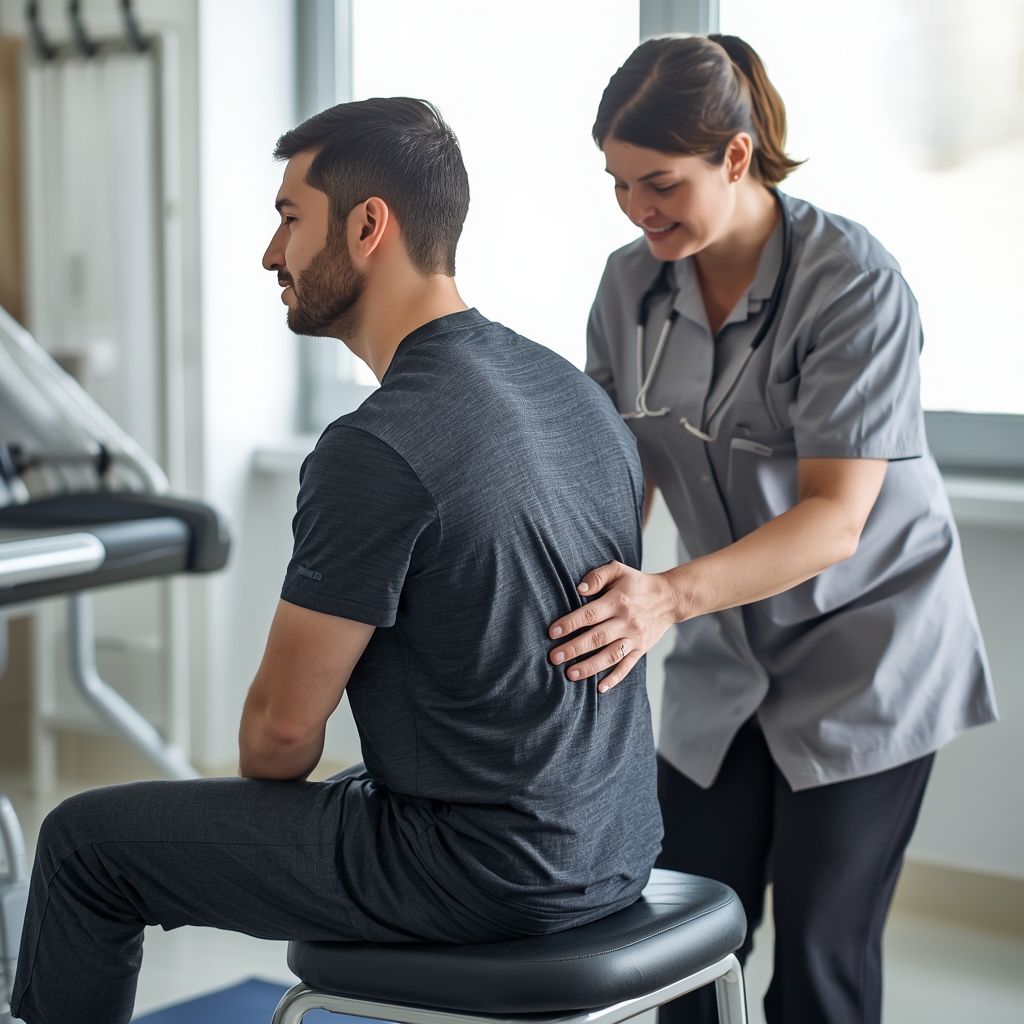
Introduction to Chiropractic in Post-Knee Replacement Care
After knee replacement surgery, patients often seek complementary therapies to support recovery. Chiropractic care can play a role in enhancing mobility, reducing discomfort, and promoting overall joint health. While surgery addresses structural issues, rehabilitation focuses on restoring function. Chiropractors may use gentle adjustments and targeted exercises to support the body’s natural healing processes. It’s important to note that chiropractic care should complement, not replace, medical advice from orthopedic specialists. Patients should always consult their healthcare provider before starting any new treatment. This article explores common approaches and their potential benefits during the recovery phase.
Gentle Adjustments to Support Joint Mobility
Chiropractic adjustments after knee replacement aim to improve alignment and reduce stress on the surgical site. Techniques like soft tissue mobilization and low-force manipulations may help alleviate stiffness and enhance range of motion. These adjustments focus on surrounding joints, such as the hips and ankles, to ensure balanced movement patterns. By addressing biomechanical imbalances, chiropractors can support the knee’s recovery without direct pressure on the implant. Patients often report reduced pain and improved flexibility with consistent care. However, adjustments must be tailored to the individual’s healing stage, emphasizing safety and gradual progress.
Rehabilitation Exercises for Strengthening and Flexibility
Customized rehabilitation exercises are a cornerstone of post-surgical recovery. Chiropractors may recommend low-impact movements like leg lifts, hamstring stretches, and seated marches to build strength without straining the knee. These exercises target the quadriceps, hamstrings, and calf muscles, which are critical for stability. Flexibility routines, such as gentle yoga or resistance band work, can also enhance joint function. Patients are encouraged to perform these under professional guidance to avoid overexertion. Consistency is key, as gradual progression helps rebuild confidence in the affected limb. Combining these exercises with chiropractic care may optimize outcomes and speed up functional recovery.
Integrating Chiropractic with Physical Therapy
Collaboration between chiropractors and physical therapists can create a holistic recovery plan. While physical therapy focuses on structured rehabilitation, chiropractic care addresses musculoskeletal alignment and soft tissue health. Together, they may design a program that includes manual therapy, therapeutic exercises, and lifestyle modifications. For example, a chiropractor might use myofascial release to ease tension in the IT band, while a physical therapist designs a strength-training regimen. This integrated approach ensures all aspects of recovery are addressed. Patients should communicate openly with both providers to align goals and avoid conflicting techniques.
Monitoring Progress and Adjusting the Plan
Regular assessments are essential to track recovery and adjust treatment strategies. Chiropractors may use gait analysis, range-of-motion tests, and patient feedback to evaluate progress. If certain exercises cause discomfort or show limited improvement, the plan can be modified. Open communication between the patient and provider helps identify challenges early. Adjustments to the frequency or intensity of care may be necessary as the body adapts. This dynamic approach ensures the recovery process remains safe and effective. Patients should attend follow-ups and report any changes in symptoms promptly.
Conclusion: Collaborative Care for Optimal Recovery
Recovery after knee replacement requires a multifaceted approach, and chiropractic care can be a valuable component. By focusing on joint mobility, strength, and alignment, chiropractors support the body’s natural healing mechanisms. However, success depends on collaboration with medical professionals and adherence to personalized plans. Patients should view chiropractic care as part of a broader strategy that includes physical therapy, medication management, and lifestyle adjustments. As research continues to explore integrative methods, staying informed and proactive about care choices remains crucial for long-term mobility and quality of life.













