
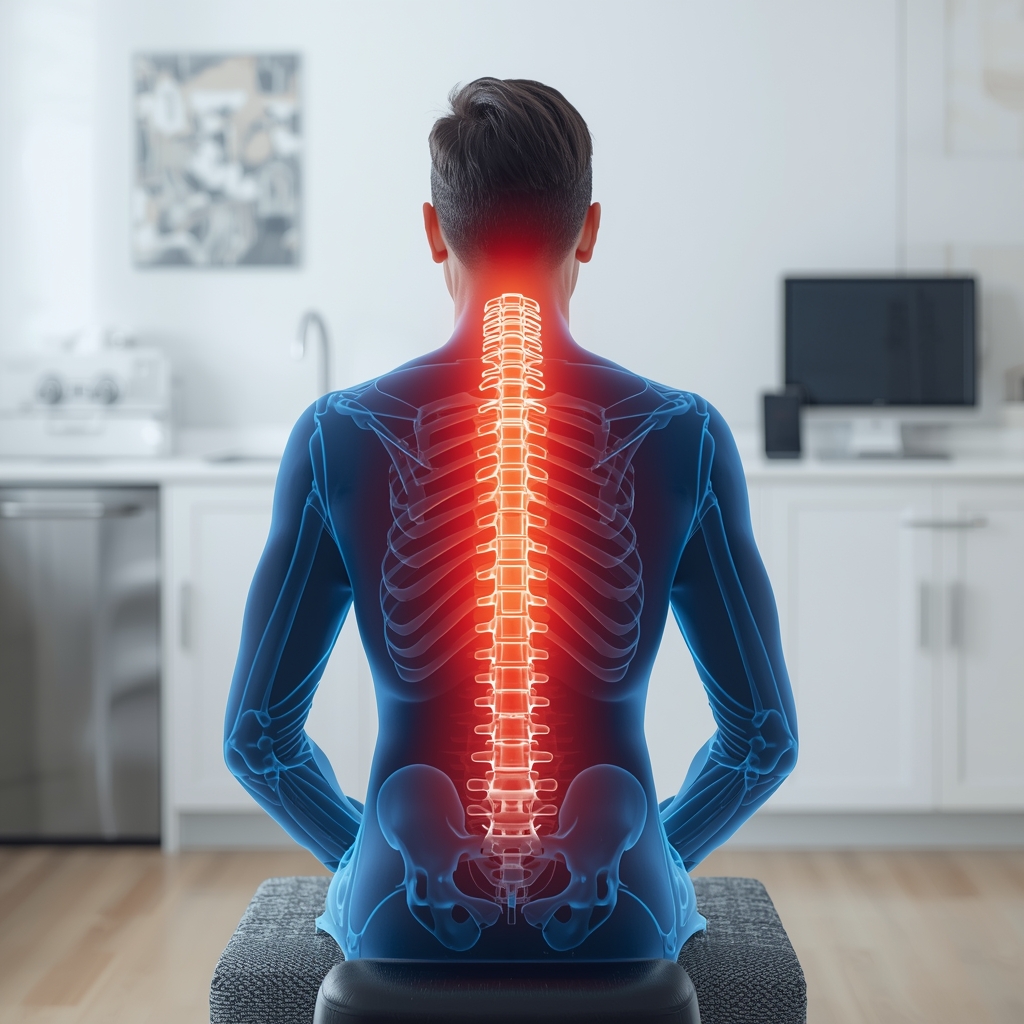
The Role of the Nervous System in Pain Perception
The nervous system plays a central role in how the body processes and responds to pain. When tissue damage or dysfunction occurs, sensory neurons transmit signals to the spinal cord and brain, where they are interpreted as pain. This process involves complex interactions between the peripheral nervous system, spinal cord, and higher brain centers. Chronic pain can arise from changes in neural pathways, such as heightened sensitivity (central sensitization) or disrupted communication between the brain and body. Chiropractic adjustments may influence these processes by addressing mechanical dysfunctions that contribute to abnormal neural signaling. By restoring proper alignment and movement, adjustments could help normalize nervous system function, potentially reducing pain perception and improving overall body regulation.
How Spinal Adjustments Influence Neural Pathways
Spinal adjustments are thought to affect neural pathways by altering mechanical and biochemical signals within the spine. The spine houses the spinal cord, which serves as a critical conduit for information between the body and brain. Misalignments, or subluxations, may interfere with this communication, leading to disrupted pain processing or muscle function. Adjustments aim to correct these misalignments, potentially restoring normal neural traffic. Research suggests that spinal manipulative therapy can influence the activity of neurons in the spinal cord and brain, possibly modulating pain signals through mechanisms like the gate control theory. While the exact pathways remain under investigation, the interplay between spinal mechanics and neural function is a key focus of chiropractic science.
Modulation of Pain Signals Through Reflexes
Reflexes are automatic responses that help the body protect itself from harm. Pain signals often trigger reflexive actions, such as withdrawing a hand from a hot surface. Chiropractic adjustments may influence these reflexes by altering the sensitivity of sensory receptors in muscles, joints, and ligaments. For example, adjustments can reduce the activity of nociceptors (pain-sensing neurons) or enhance the function of inhibitory pathways that dampen pain signals. This modulation could contribute to pain relief by normalizing the body’s reflexive responses. Additionally, adjustments may improve proprioception—the body’s awareness of its position in space—which can enhance motor control and reduce compensatory movements that exacerbate pain. These effects highlight the intricate relationship between spinal mechanics and nervous system regulation.
Impact on the Autonomic Nervous System
The autonomic nervous system (ANS) regulates involuntary functions like heart rate, digestion, and stress responses. It consists of the sympathetic (fight-or-flight) and parasympathetic (rest-and-digest) branches. Dysfunctions in the ANS can contribute to chronic pain, inflammation, and reduced recovery. Chiropractic adjustments may influence the ANS by addressing spinal misalignments that disrupt neural input to internal organs. For instance, adjustments could reduce sympathetic overactivity, promoting relaxation and reducing stress-related pain. Some studies suggest that spinal manipulative therapy may enhance parasympathetic activity, supporting healing and homeostasis. While the mechanisms are not fully understood, the potential to balance the ANS underscores the holistic approach of chiropractic care in addressing pain and overall wellness.
Neurotransmitter and Hormonal Responses
Neurotransmitters and hormones play a vital role in pain regulation and recovery. When pain signals are transmitted, the body releases substances like endorphins, serotonin, and cortisol to manage the response. Chiropractic adjustments may influence these biochemical processes by stimulating nerve pathways that regulate their production. For example, adjustments could enhance the release of endorphins, the body’s natural painkillers, or modulate serotonin levels, which affect mood and pain perception. Additionally, reducing mechanical stress on the spine might lower cortisol levels, mitigating the effects of chronic stress on the body. While the exact interactions remain areas of ongoing research, the potential to support the body’s innate healing mechanisms highlights the multifaceted nature of chiropractic interventions.
Integration with Overall Body Function
Chiropractic adjustments are part of a broader system where spinal health intersects with overall body function. The spine’s alignment affects not only musculoskeletal health but also the efficiency of the nervous system, which coordinates all bodily processes. By addressing misalignments, adjustments may improve nerve communication, enhancing the body’s ability to self-regulate and heal. This integration is particularly relevant for pain relief, as disrupted nerve signals can lead to muscle imbalances, reduced mobility, and persistent discomfort. While chiropractic care is not a substitute for medical treatment, it offers a complementary approach by supporting the body’s natural mechanisms. Understanding these neurological underpinnings helps clarify how adjustments may contribute to pain management and overall wellness, emphasizing the importance of professional guidance when exploring such interventions.













