
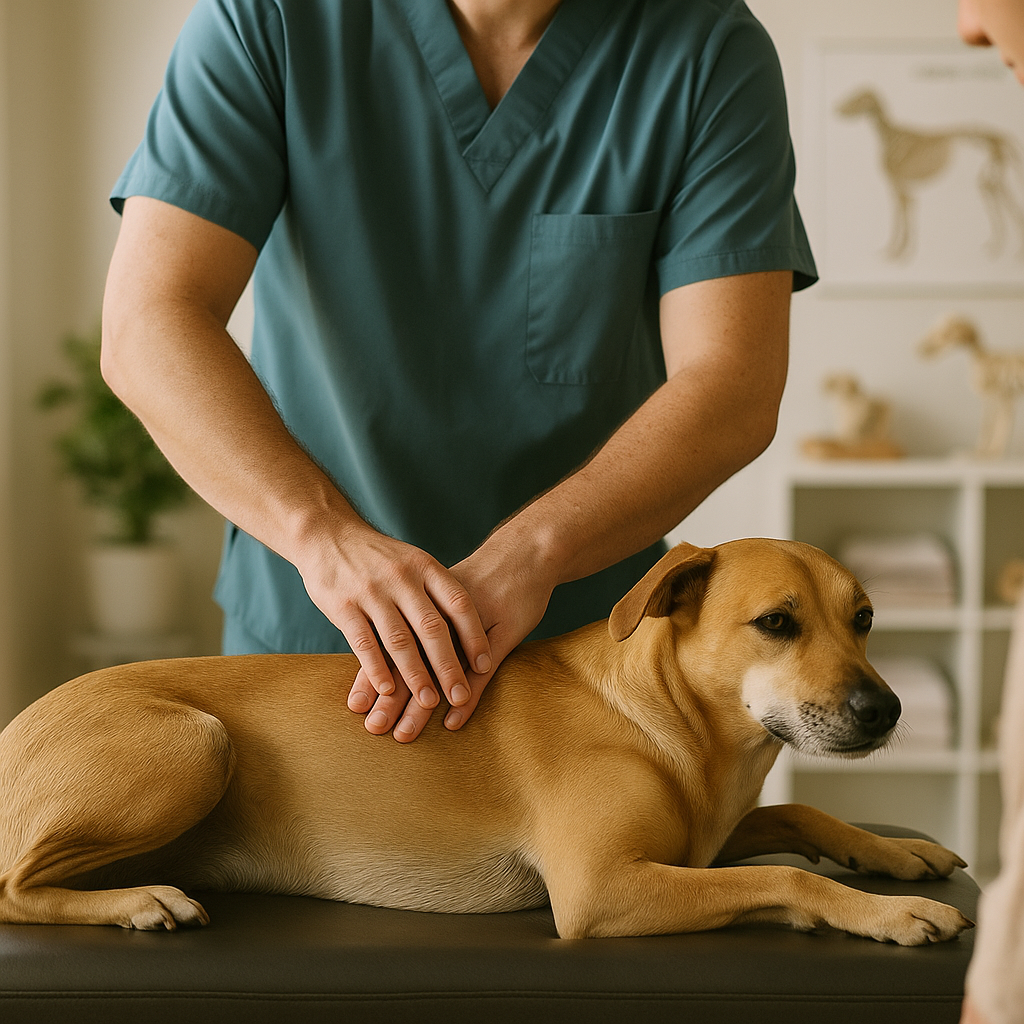
Understanding Veterinary Chiropractic Care
Veterinary chiropractic is a specialized branch of animal healthcare that focuses on the diagnosis, treatment, and prevention of musculoskeletal disorders in animals — particularly those involving the spine. Much like human chiropractic care, this discipline operates on the principle that proper spinal alignment is essential for overall neurological function and physical well-being. A qualified veterinary chiropractor applies manual adjustments to the spine and joints of animals to restore mobility, reduce pain, and support the body’s natural healing processes.
Over the past two decades, vet chiropractic has grown from a niche alternative therapy into a widely recognized and scientifically supported modality within integrative veterinary medicine. Today, it is used to treat a broad range of species, including dogs, cats, horses, and even exotic animals.
The Science Behind Animal Spine Care
At the core of veterinary chiropractic is the concept of the vertebral subluxation complex — a term used to describe a misalignment or restricted movement in the vertebrae that disrupts normal nerve function. When the vertebrae are not moving properly, the surrounding nerves, muscles, and soft tissues can become irritated or compressed, leading to pain, inflammation, and a reduction in an animal’s overall quality of life.
Animal spine care through chiropractic methods aims to correct these subluxations using precise, controlled manual force. This process is known as a chiropractic adjustment. When performed correctly, an adjustment can:
- Restore proper range of motion to restricted joints
- Reduce nerve interference along the spinal cord
- Relieve muscle tension and associated pain
- Enhance communication between the brain and the rest of the body
- Support the immune system and overall physiological function
The nervous system, which runs through and alongside the spine, controls virtually every function in an animal’s body. This is why maintaining spinal health is so profoundly connected to overall wellness.
Who Performs Veterinary Chiropractic?
A licensed veterinary chiropractor is typically either a Doctor of Veterinary Medicine (DVM) who has completed additional chiropractic training, or a licensed human chiropractor who has pursued advanced certification in animal chiropractic. In many countries, practitioners must be certified through recognized organizations such as the International Veterinary Chiropractic Association (IVCA) or the American Veterinary Chiropractic Association (AVCA).
These certifications require practitioners to complete hundreds of hours of postgraduate coursework covering animal anatomy, physiology, spinal biomechanics, and hands-on adjustment techniques. This rigorous training ensures that animals receive safe, effective, and evidence-informed care.
It is important to note that veterinary chiropractic should only be performed by certified professionals. Attempting spinal adjustments without proper training can cause serious injury to animals. Always seek a qualified practitioner for your pet’s care.
Conditions Commonly Treated with Vet Chiropractic
Veterinary chiropractic is not simply a treatment for back pain. It addresses a wide spectrum of conditions that arise from or are influenced by spinal and musculoskeletal dysfunction. Some of the most frequently treated conditions include:
- Intervertebral disc disease (IVDD) — a common and painful condition in dogs, particularly in breeds such as Dachshunds and Beagles
- Hip dysplasia and arthritis — degenerative joint conditions that respond well to manual therapy as part of a multimodal treatment plan
- Lameness and gait abnormalities — especially in horses and performance dogs
- Post-surgical rehabilitation — to restore mobility and function after orthopedic procedures
- Neck and back stiffness — often seen in aging pets or working animals
- Behavioral changes linked to pain — such as reluctance to jump, changes in posture, or unexplained aggression
- Sports injuries — in performance and competition animals
Beyond these specific conditions, many pet owners choose regular pet spinal adjustment sessions as part of a preventive health regimen, particularly for working dogs, agility competitors, and horses involved in strenuous athletic disciplines.
What to Expect During a Pet Spinal Adjustment Session
A typical veterinary chiropractic visit begins with a thorough history intake and physical examination. The practitioner will assess the animal’s posture, gait, muscle symmetry, and spinal motion. This initial assessment allows the chiropractor to identify areas of restriction or dysfunction before performing any adjustments.
During the adjustment itself, the practitioner applies a short, controlled thrust to a specific vertebra or joint. Despite the clinical precision required, the process is generally gentle and well-tolerated by most animals. Many animals actually appear relaxed — and some even fall asleep — during treatment.
The number of sessions required varies depending on the animal’s condition, age, and overall health status. Acute injuries may resolve within a few visits, while chronic or degenerative conditions typically benefit from ongoing maintenance care. Your veterinary chiropractor will develop a personalized treatment plan based on your animal’s individual needs.
The Benefits of Integrating Chiropractic into Your Pet’s Healthcare
One of the most compelling aspects of vet chiropractic is its compatibility with conventional veterinary medicine. Rather than replacing traditional treatments, chiropractic care complements them — often enhancing outcomes when used alongside medication, physical rehabilitation, acupuncture, or surgery.














