
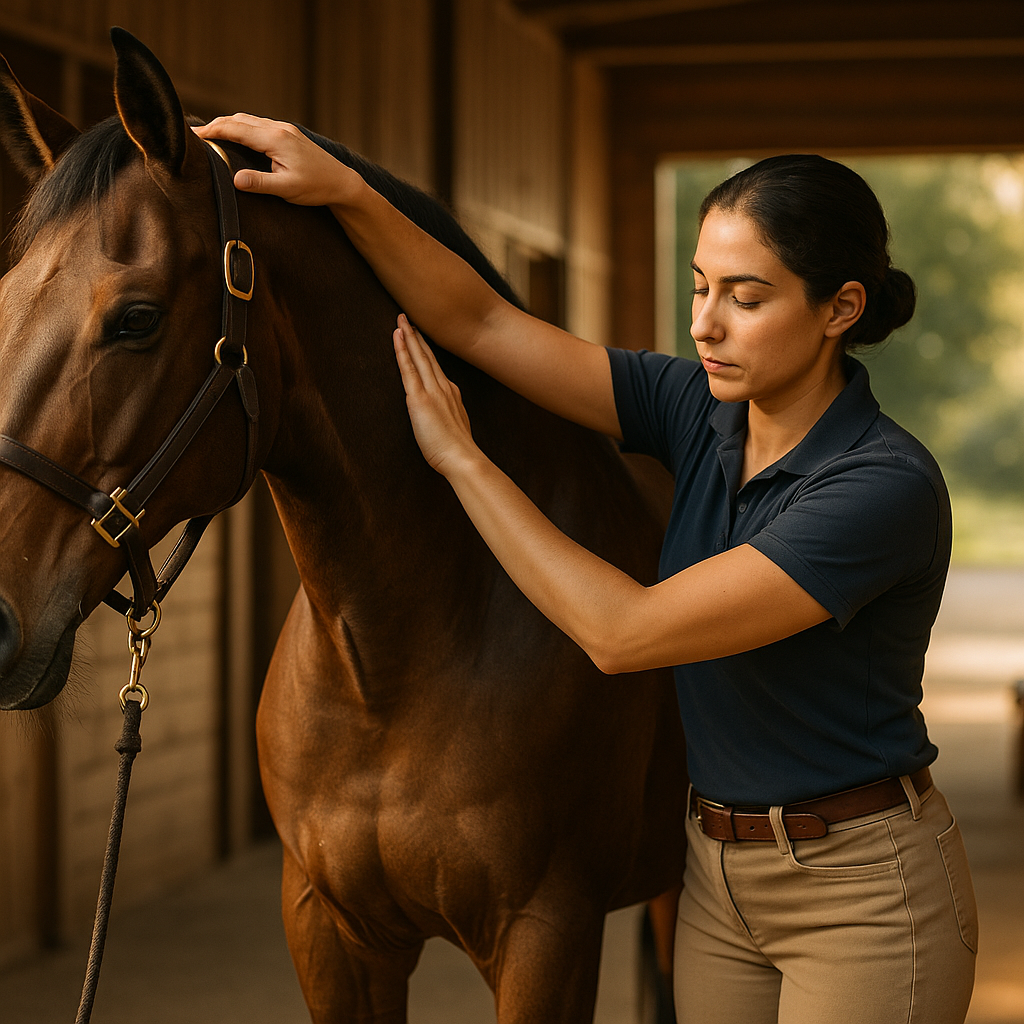
Understanding Equine Chiropractic Care
Equine chiropractic care is a specialized branch of veterinary medicine that focuses on the diagnosis, treatment, and prevention of musculoskeletal disorders in horses. Much like its human counterpart, this therapeutic discipline centers on the relationship between the spine, the nervous system, and overall physical health. A qualified horse chiropractor works to identify and correct misalignments in the vertebral column, known as subluxations, which can interfere with nerve function and compromise a horse’s mobility, performance, and general well-being.
Over the past two decades, equine chiropractic therapy has grown significantly in recognition and acceptance within the equestrian community. From competitive sport horses to beloved trail companions, animals of all disciplines are benefiting from this hands-on approach to care. Understanding what it involves, how it works, and when it may be appropriate for your horse is an essential step toward making informed decisions about your animal’s health.
The Science Behind Equine Spinal Adjustments
The horse’s spine is a complex and highly functional structure, consisting of numerous vertebrae that run from the base of the skull all the way to the tail. These vertebrae are connected by joints, ligaments, and muscles that allow for controlled, coordinated movement. When any of these joints become restricted or misaligned — whether due to injury, poor saddle fit, repetitive strain, or compensatory movement patterns — the result can be pain, stiffness, and reduced athletic performance.
An equine spinal adjustment involves the application of a precise, controlled force to a specific joint in the spine or extremities. The goal is to restore normal range of motion to restricted joints, reduce inflammation, and improve neurological communication throughout the body. Unlike conventional massage or stretching, chiropractic adjustments target the joint itself, making them a distinct and highly targeted form of therapy.
The nervous system plays a critical role in this process. Nerves that exit the spinal cord at each vertebral level communicate with muscles, organs, and tissues throughout the body. When a vertebral joint is restricted or inflamed, it can place pressure on surrounding nerves, disrupting the signals they carry. By addressing these restrictions through careful horse back treatment, a chiropractor aims to restore healthy nerve function and allow the horse’s body to operate as it should.
What Happens During a Chiropractic Session?
A typical equine chiropractic session begins with a thorough assessment of the horse’s history, current work demands, and any symptoms or behavioral changes noticed by the owner or trainer. The practitioner will then conduct a systematic physical examination, observing the horse’s posture, gait, and overall conformation before performing a detailed evaluation of the spine and limbs.
During the hands-on portion of the session, the horse chiropractor uses their hands — and occasionally specialized instruments — to palpate each vertebral segment, identifying areas of reduced mobility, heat, muscle tension, or sensitivity. Once problem areas have been identified, specific adjustments are applied using controlled, short-lever thrusts designed to restore motion to restricted joints without causing harm to surrounding tissue.
Most horses tolerate chiropractic adjustments remarkably well. Many owners report that their horses seem noticeably relaxed during and after a session, with some even appearing to seek out contact with the practitioner. A typical session may last anywhere from 30 minutes to an hour, depending on the horse’s condition and the number of areas requiring attention.
Common Signs That Your Horse May Benefit From Chiropractic Care
Horses are not able to verbally communicate discomfort, which is why owners and riders must remain attentive to subtle changes in behavior, movement, and performance. The following signs may suggest that your horse could benefit from a chiropractic evaluation:
- Resistance or behavioral changes under saddle — such as bucking, pinning ears, reluctance to move forward, or difficulty bending to one side
- Asymmetrical muscle development — particularly noticeable along the topline or hindquarters
- Changes in gait — including stiffness, shortened stride, or unevenness that does not resolve with standard veterinary treatment
- Sensitivity to grooming or saddling — particularly in the back, hindquarters, or neck region
- Difficulty engaging the hindquarters or collecting during ridden work
- Head tilting, difficulty chewing, or TMJ issues — which can often be addressed through cervical and cranial adjustments
- Recovery from injury or surgery — as compensatory movement patterns can lead to secondary musculoskeletal issues
It is important to note that chiropractic care should always be pursued in conjunction with, rather than as a replacement for, conventional veterinary diagnosis and treatment. A thorough lameness examination and appropriate diagnostic imaging should precede chiropractic intervention wherever possible.
Who Can Perform Equine Chiropractic Therapy?
The qualifications required to practice equine chiropractic therapy vary by country and region, but in general, legitimate practitioners hold either a veterinary degree, a chiropractic degree, or both, supplemented by specialized training in animal chiropractic. In many regions, legislation requires that equine chiropractic be performed by, or under the direct supervision of, a licensed veterinarian.
Organizations such as the American Veterinary Chiropractic Association (AVCA) and the International Veterinary Chiropractic Association (IVCA) provide certification programs and maintain directories of qualified practitioners. When seeking a horse chiropractor for your animal, it is strongly advisable to verify their credentials, ask for references, and ensure they are working collaboratively with your primary veterinarian.
Choosing a properly trained and credentialed practitioner is not simply a matter of professionalism — it is a matter of safety. Improper spinal manipulation can cause injury, and in the case of horses, the consequences can be serious.














