
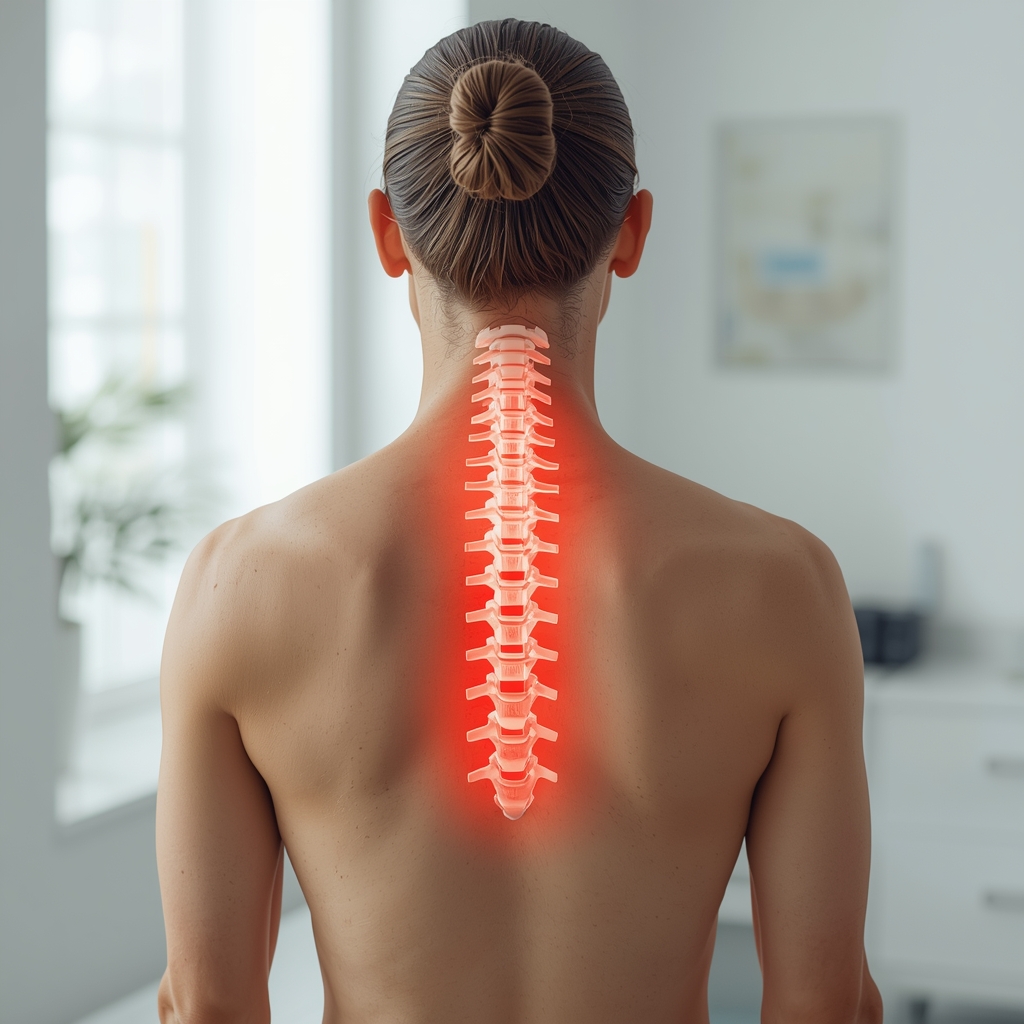
The Thoracic Spine's Role in Postural Mechanics
The thoracic spine, consisting of 12 vertebrae, forms the central axis of the upper body and connects the cervical (neck) and lumbar (lower back) regions. Its unique structure, fused with the rib cage, provides stability while allowing limited mobility. This segment acts as a critical link between the head, shoulders, and pelvis, influencing overall posture. When the thoracic spine is misaligned or restricted, it can create compensatory patterns in adjacent areas, such as the neck or lower back. For example, excessive curvature (kyphosis) may push the head forward, straining the cervical spine. Understanding its role helps explain why addressing thoracic spine health is essential for correcting postural imbalances and restoring functional alignment.
Common Postural Imbalances Linked to the Thoracic Spine
Postural imbalances often stem from thoracic spine dysfunction, such as restricted movement or abnormal curvature. A hunched posture (kyphotic rounding) can compress nerves and muscles, leading to chronic pain and reduced range of motion. Conversely, a flattened thoracic spine (hypokyphosis) may weaken core stability, contributing to lower back strain. These imbalances can also affect breathing mechanics, as the rib cage’s mobility is compromised. Over time, such issues may cause uneven weight distribution, leading to joint stress and muscle fatigue. Identifying these patterns is the first step in addressing how thoracic spine misalignments contribute to broader postural issues, emphasizing the need for targeted intervention.
Assessing Thoracic Spine Issues
Chiropractors evaluate thoracic spine function through physical exams, posture analysis, and patient history. They may observe for asymmetries, restricted motion, or tenderness in the mid-back region. Imaging, such as X-rays, might be used to identify structural abnormalities, though this is typically reserved for complex cases. The goal is to pinpoint specific misalignments or restrictions affecting posture. For instance, a patient with forward head posture might show compensatory changes in the thoracic spine. Chiropractors also assess soft tissues, as tightness in the chest or upper back can exacerbate postural issues. This comprehensive approach ensures adjustments are tailored to the individual’s needs, addressing both structural and functional components of the imbalance.
Targeted Adjustments for Thoracic Spine Correction
Chiropractors use manual adjustments to realign the thoracic spine, restoring its natural curvature and mobility. Techniques may include diversified adjustments, activator methods, or drop-table adjustments, depending on the patient’s condition. These procedures aim to relieve nerve pressure, improve joint function, and reduce muscular tension. For example, a patient with kyphosis might benefit from adjustments that encourage a more neutral thoracic curve. Chiropractors also incorporate soft tissue therapies, like myofascial release, to address tightness in surrounding muscles. The process is gradual, with multiple sessions often required to achieve lasting results. Patients are typically advised to combine adjustments with posture exercises for optimal outcomes, though specific recommendations should be discussed with a qualified provider.
Benefits of Correcting Thoracic Spine Imbalances
Addressing thoracic spine misalignments can lead to significant improvements in posture, pain reduction, and overall mobility. Correcting kyphosis or hypokyphosis may alleviate pressure on the nervous system, enhancing nerve function and reducing discomfort. Patients often report better breathing, as improved rib cage mobility allows for deeper inhalation. Enhanced posture also distributes mechanical stress more evenly across the body, decreasing the risk of secondary issues in the neck or lower back. Additionally, restoring thoracic spine function can improve athletic performance and daily activities by promoting efficient movement patterns. These benefits underscore the importance of early intervention, as chronic postural imbalances can lead to long-term musculoskeletal complications if left unaddressed.
Integrating Chiropractic Care with Posture Rehabilitation
Chiropractic adjustments alone are not a standalone solution for postural imbalances. They are most effective when combined with lifestyle modifications and rehabilitation strategies. Patients may be advised to incorporate corrective exercises, such as thoracic mobility drills or core strengthening, to support long-term alignment. Ergonomic adjustments, like proper desk setup or sleep posture, also play a role in maintaining improvements. Chiropractors often collaborate with physical therapists or fitness professionals to create personalized plans. However, any new exercise or therapy should be discussed with a healthcare provider to ensure safety and appropriateness. By integrating multiple approaches, patients can achieve lasting postural correction and reduce the likelihood of recurring issues.















