
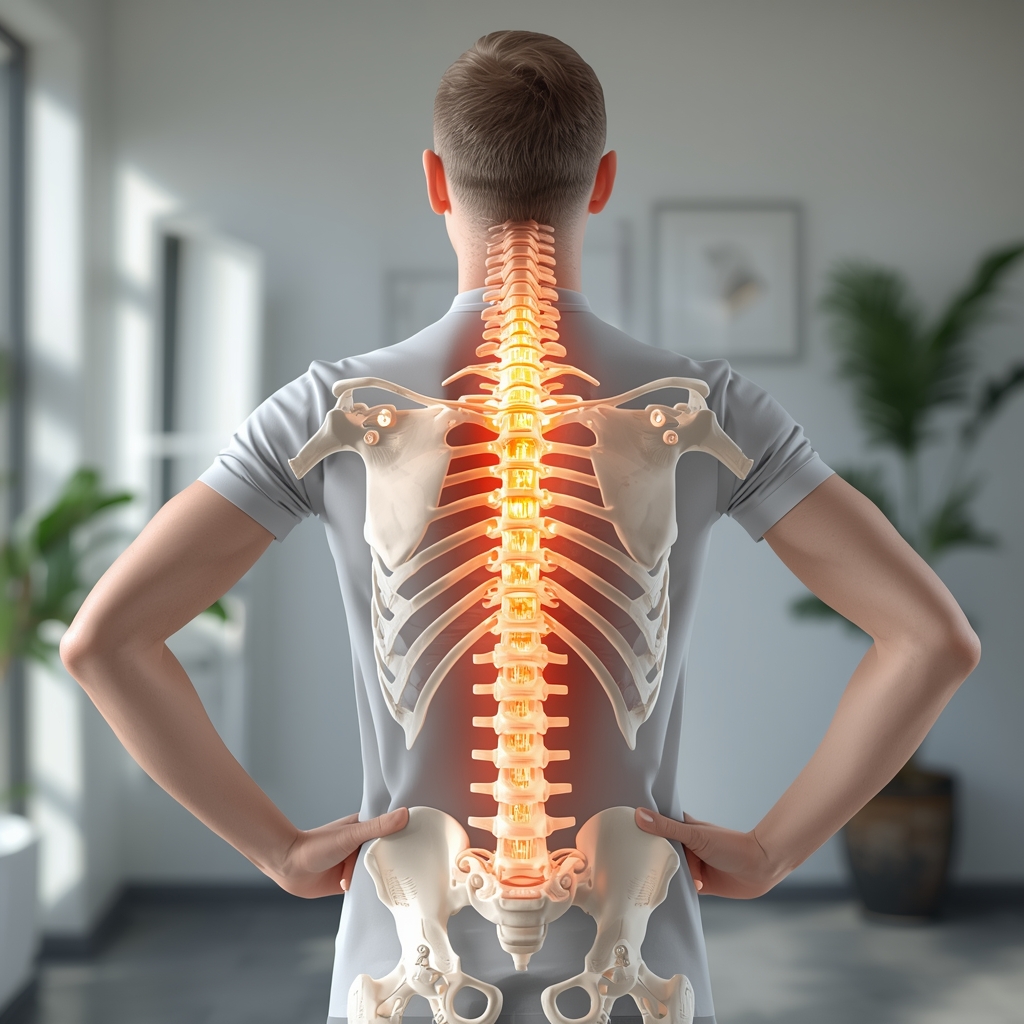
The Thoracic Vertebrae: Foundation of the Upper Back
The thoracic spine consists of 12 vertebrae (T1-T12) that form the central framework of the upper back. Each vertebra features a large, heart-shaped body and a spinous process that projects backward, providing attachment points for muscles and ligaments. These bones protect the thoracic spinal cord while allowing for flexibility in movements like bending and twisting. The thoracic vertebrae also connect to the ribs, creating the thoracic cage that shields vital organs such as the heart and lungs. Misalignments or degenerative changes in these vertebrae can restrict movement, irritate surrounding nerves, and contribute to upper back pain. Understanding their structure helps explain why issues here often manifest as stiffness, discomfort, or radiating pain in the chest or shoulders.
Intervertebral Discs: Shock Absorbers and Potential Sources of Pain
Between each pair of thoracic vertebrae lies an intervertebral disc, composed of a tough outer layer (annulus fibrosus) and a gel-like center (nucleus pulposus). These discs act as cushions, absorbing shock and enabling smooth spinal movement. However, they are vulnerable to damage, such as herniation or degeneration, which can press on nearby nerves and cause pain. A herniated disc in the thoracic region may lead to localized discomfort or referred pain in the chest, abdomen, or arms. While less common than in the cervical or lumbar spine, disc-related issues in the thoracic area highlight the importance of maintaining spinal health to prevent dysfunction and chronic upper back pain.
Facet Joints: Mechanics and Common Issues
Thoracic facet joints are small, synovial joints located between the vertebrae, allowing for controlled movement and stability. These joints are lined with cartilage and surrounded by a capsule that contains synovial fluid, reducing friction during motion. Over time, wear and tear, poor posture, or injury can lead to conditions like osteoarthritis, causing inflammation, stiffness, and pain. Facet joint dysfunction often results in localized upper back pain that worsens with certain movements, such as twisting or leaning backward. Treatments like chiropractic adjustments or physical therapy may help restore joint function, emphasizing the need to address these structures when diagnosing and managing upper back discomfort.
Spinal Cord and Nerves: Sensory and Motor Connections
The thoracic spinal cord is a critical pathway for sensory and motor signals between the brain and the body. Nerves exit the spinal column through openings between the vertebrae, innervating the upper back, chest, and arms. Compression or irritation of these nerves—due to misalignment, disc issues, or inflammation—can lead to pain, numbness, or weakness in the affected areas. For example, thoracic radiculopathy may cause sharp, burning pain that radiates along the nerve’s path. Understanding the relationship between the spinal cord and nerves underscores the importance of maintaining proper spinal alignment to prevent disruptions in these vital communication channels.
Muscles and Ligaments: Support and Potential Strain
Strong muscles and ligaments stabilize the thoracic spine and support its movements. Key muscles like the trapezius, rhomboids, and erector spinae work together to maintain posture and enable actions such as lifting and twisting. Ligaments, including the thoracolumbar fascia, provide additional structural support. However, muscle imbalances, weakness, or overuse can lead to strain, causing upper back pain. Poor posture, repetitive motions, or sudden movements may overload these tissues, resulting in discomfort. Strengthening and stretching routines, often guided by a chiropractor, can help alleviate strain and improve overall spinal function.
How Structural Imbalances Lead to Upper Back Pain
Imbalances in the thoracic spine’s structures—such as misaligned vertebrae, disc degeneration, or muscle weakness—can disrupt normal function and trigger pain. For instance, a forward-rounded shoulder posture may alter the thoracic spine’s natural curve, leading to increased stress on the discs and joints. Similarly, weakened core muscles can place extra burden on the upper back, exacerbating discomfort. Addressing these imbalances through chiropractic care, exercise, or ergonomic adjustments can restore proper alignment and reduce pain. Recognizing the interconnected nature of these structures is essential for developing effective strategies to manage and prevent upper back issues.















