
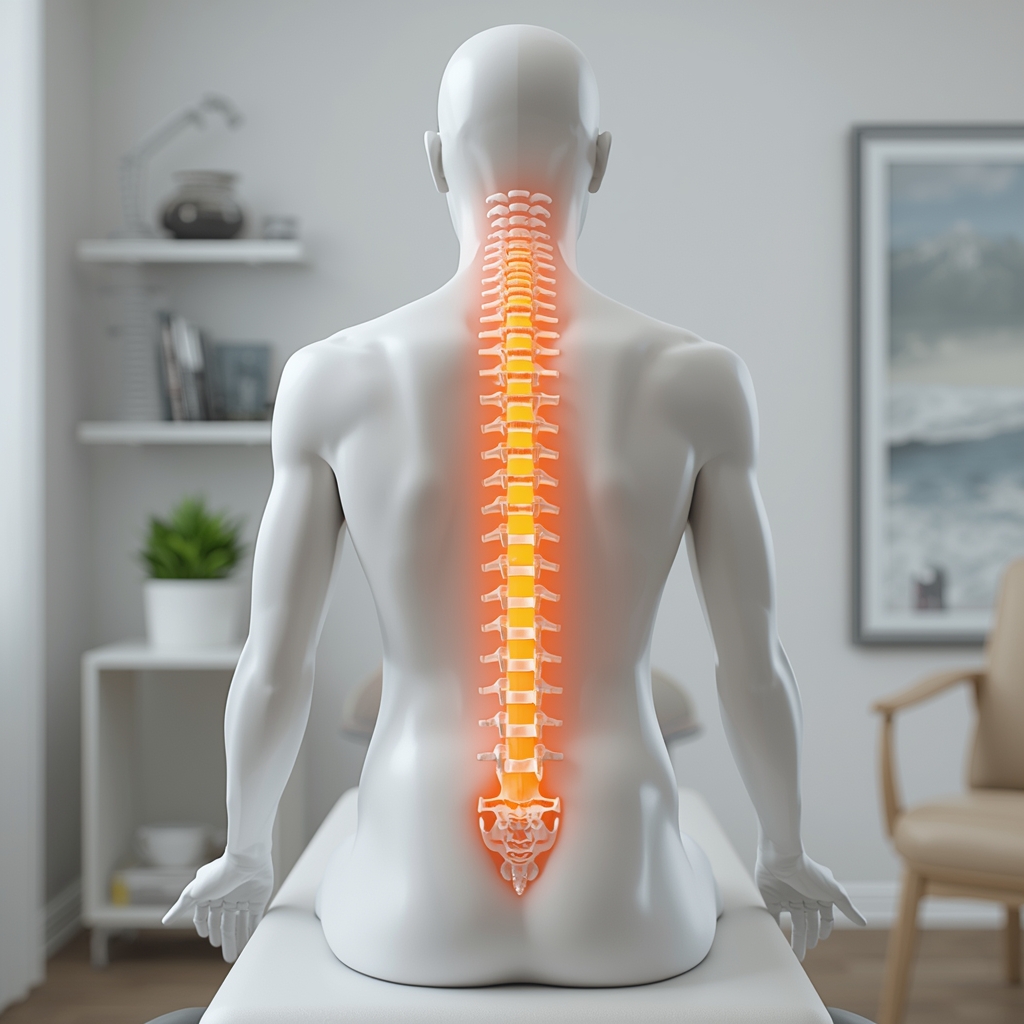
Understanding the Structure and Function of Intervertebral Discs
Intervertebral discs are the cushion-like structures located between the vertebrae of the spine, playing a critical role in spinal stability and mobility. Each disc consists of two main components: the nucleus pulposus, a gel-like center that absorbs shock, and the annulus fibrosus, a tough, fibrous outer ring that provides structural support. These discs act as shock absorbers, distributing mechanical stress during movement and preventing direct bone-on-bone contact. Their unique composition allows the spine to bend, twist, and withstand daily forces while maintaining alignment. Without healthy discs, the spine would be vulnerable to excessive wear, reduced flexibility, and potential nerve compression. Understanding their anatomy is essential for recognizing how disruptions in disc health can lead to pain or dysfunction, making them a key focus for chiropractic care.
The Role of Discs in Spinal Stability
Spinal stability relies heavily on the intervertebral discs' ability to maintain proper spacing between vertebrae and support the spine's natural curvature. By acting as both a shock absorber and a flexible connector, discs help distribute weight evenly across the spinal column, reducing the risk of misalignment or excessive pressure on any single segment. This balance is crucial for maintaining posture, facilitating movement, and protecting the spinal cord and nerves. When discs degenerate or become damaged, the spine's stability can be compromised, leading to conditions like herniation or bulging discs. Chiropractors evaluate disc health to identify imbalances that might contribute to pain, restricted motion, or nerve irritation, ensuring the spine functions optimally.
How Chiropractors Assess Disc Health
Chiropractors use a combination of physical examinations and diagnostic tools to assess intervertebral disc health. During a physical exam, they evaluate range of motion, muscle strength, and neurological responses to detect signs of disc-related issues. Specialized tests, such as the straight leg raise or foraminal compression tests, help identify nerve compression or disc irritation. Imaging techniques like X-rays, MRI, or CT scans may be employed to visualize disc structure and detect abnormalities such as herniations or degeneration. Chiropractors also consider patient history and symptoms to form a comprehensive picture. These assessments guide treatment plans, ensuring interventions address the root cause of disc-related concerns while promoting long-term spinal health.
Common Disc-Related Conditions and Symptoms
Several conditions can affect intervertebral discs, leading to pain and functional limitations. Herniated discs occur when the nucleus pulposus protrudes through the annulus fibrosus, potentially irritating nearby nerves and causing radiating pain, numbness, or weakness. Bulging discs involve a more generalized outward bulge of the disc structure, which may compress nerves or spinal cord segments. Degenerative disc disease refers to the gradual breakdown of discs over time, often linked to aging or repetitive stress, resulting in chronic pain and reduced mobility. Symptoms vary depending on the affected area but may include localized discomfort, tingling, or difficulty with movement. Early identification of these conditions is vital for effective management, highlighting the importance of professional evaluation.
Chiropractic Approaches to Disc Health
Chiropractors employ non-invasive techniques to support intervertebral disc health and alleviate related symptoms. Spinal adjustments are a primary method, aiming to restore proper alignment and reduce pressure on discs and nerves. By improving joint mobility, these adjustments can enhance disc function and promote natural healing. Soft tissue therapies, such as massage or myofascial release, may also be used to address muscle tension that could exacerbate disc strain. Additionally, chiropractors often recommend lifestyle modifications, including exercise, posture correction, and ergonomic adjustments, to minimize disc stress. While these approaches cannot reverse severe disc damage, they can manage symptoms, prevent further deterioration, and support overall spinal well-being when tailored to individual needs.
The Importance of Professional Evaluation for Disc Issues
Given the complexity of intervertebral disc function and the potential for serious complications, seeking professional evaluation is crucial for accurate diagnosis and treatment. Chiropractors are trained to recognize subtle signs of disc dysfunction and differentiate between various spinal conditions. Their expertise allows for personalized care plans that address specific concerns while minimizing risks. Patients experiencing persistent back or neck pain, numbness, or weakness should consult a qualified provider to explore appropriate interventions. While chiropractic care offers valuable support, it is not a substitute for medical advice in cases requiring advanced diagnostics or surgical options. Regular check-ups can also help monitor disc health, enabling early intervention and long-term spinal stability.












