
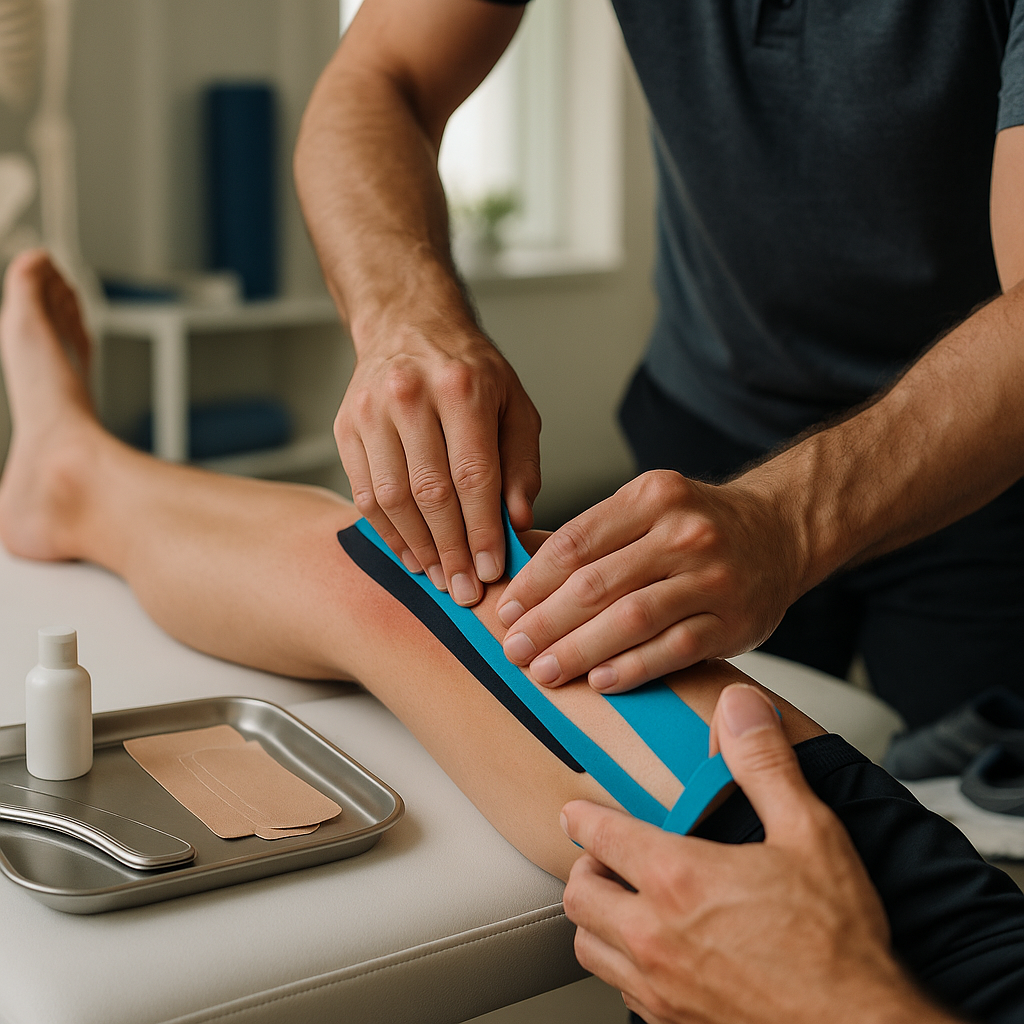
Understanding Shin Splints and How Chiropractic Care Can Help
Shin splints, clinically known as medial tibial stress syndrome, is one of the most common overuse injuries affecting athletes, runners, military recruits, and active individuals. Characterised by sharp or aching pain along the inner edge of the shinbone (tibia), this condition can significantly interfere with daily activities and athletic performance. While rest and ice are often the first line of response, many people are now turning to a shin splints chiropractor for a more comprehensive and long-lasting solution.
Chiropractic care offers a multi-faceted approach to treating shin splints — one that goes beyond simply managing symptoms. By addressing the root mechanical causes of lower leg pain, chiropractic treatment can accelerate recovery, prevent recurrence, and restore full functional movement. This article explores what chiropractic treatment involves, how it works, and why it may be the most effective option for managing shin pain.
What Causes Shin Splints?
Before understanding how chiropractic care helps, it is important to understand what actually causes shin splints. The condition typically results from repetitive stress placed on the tibia and the surrounding musculature. This stress leads to inflammation of the muscles, tendons, and bone tissue in the lower leg.
Common contributing factors include:
- Sudden increases in training intensity or volume — rapidly increasing running distance or speed without adequate conditioning
- Biomechanical issues — such as overpronation (flat feet), improper gait patterns, or leg length discrepancy
- Poor footwear — running shoes that lack adequate support or cushioning
- Hard or uneven training surfaces — concrete or asphalt surfaces that increase impact forces
- Muscle imbalances — weakness or tightness in the calves, hip flexors, or core that places additional stress on the lower leg
- Spinal and pelvic misalignment — altered mechanics that change how force is distributed through the lower extremities
Understanding these underlying causes is precisely why chiropractic care is so well-suited to treating medial tibial stress syndrome. A chiropractor does not simply treat the location of pain — they assess and address the entire kinetic chain.
How Does a Shin Splints Chiropractor Assess Your Condition?
When you visit a chiropractor for lower leg pain treatment, the initial consultation will involve a thorough assessment to identify contributing factors. This typically includes:
- A detailed review of your medical history and activity levels
- Postural and gait analysis to identify movement dysfunctions
- Assessment of spinal alignment, particularly in the lumbar and sacral regions
- Evaluation of hip, knee, ankle, and foot mechanics
- Palpation of the tibia, surrounding muscles, and soft tissues
- Muscle strength and flexibility testing
This comprehensive evaluation allows the chiropractor to develop a personalised treatment plan that targets the specific mechanical factors driving your shin pain. Rather than applying a one-size-fits-all solution, chiropractic care is highly individualised, making it a particularly effective approach for this condition.
Chiropractic Treatment Techniques for Shin Splints
Chiropractic treatment for shin splints typically incorporates several evidence-informed techniques. Depending on the severity of your condition and your specific biomechanical profile, your chiropractor may use one or more of the following approaches:
1. Spinal and Extremity Adjustments
One of the foundational components of chiropractic care is spinal manipulation. When the lumbar spine, pelvis, or sacroiliac joints are misaligned, they can alter the mechanics of the entire lower extremity, placing undue stress on the lower leg. Chiropractic adjustments help restore proper joint alignment, improve nerve function, and reduce compensatory movement patterns that contribute to shin splints.
Beyond spinal adjustments, a skilled chiropractor will also assess and treat extremity joints — including the hip, knee, ankle, and foot. Adjustments to these areas can correct faulty movement mechanics that directly overload the tibial region.
2. Soft Tissue Therapy
Tight or dysfunctional muscles surrounding the tibia are a significant driver of shin pain. Chiropractors are trained in a range of soft tissue techniques to address this, including:
- Active Release Technique (ART) — a highly specific form of manual therapy that breaks down adhesions and scar tissue in muscles and fascia
- Myofascial release — gentle sustained pressure applied to the fascial connective tissue to release restrictions and restore mobility
- Trigger point therapy — targeted pressure on hyperirritable muscle knots that refer pain to the shin and surrounding areas
- Graston Technique or Instrument-Assisted Soft Tissue Mobilisation (IASTM) — the use of specialised stainless steel instruments to detect and treat fibrous scar tissue and fascial restrictions
These techniques are particularly effective for releasing tension in the tibialis anterior, soleus, gastrocnemius, and the deep flexor muscles of the lower leg — all of which play a role in medial tibial stress syndrome.
3. Dry Needling
Many chiropractors incorporate dry needling into their treatment protocols for shin splints. This technique involves inserting fine, sterile needles into specific trigger points within the muscle tissue to release muscular tension, improve blood flow, and promote the body’s natural healing response.












