
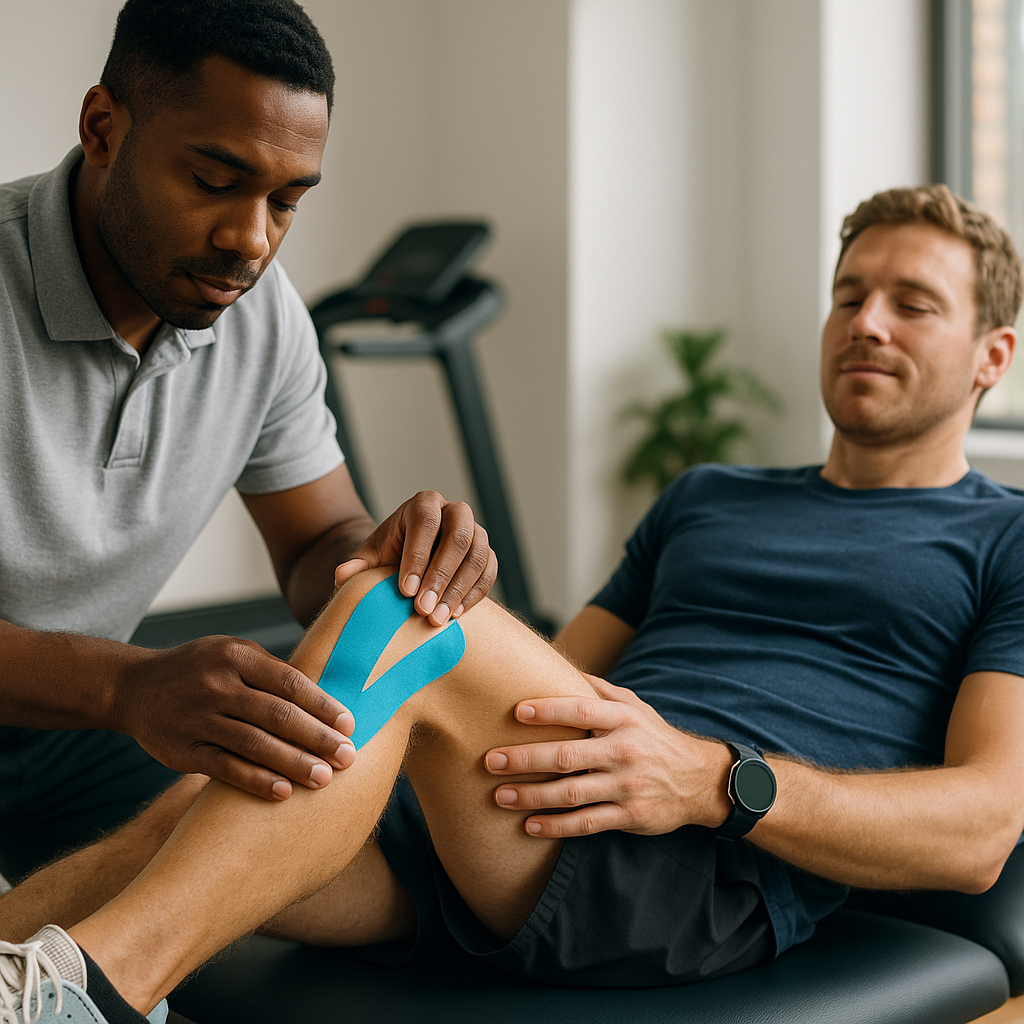
Understanding Runner’s Knee and How Chiropractic Care Can Help
Runner’s knee, clinically known as patellofemoral pain syndrome (PFPS), is one of the most common complaints among athletes, joggers, and even individuals who lead an active lifestyle. Characterised by a dull, aching pain around or behind the kneecap, this condition can significantly interfere with daily movement and athletic performance. While many people reach for over-the-counter medications or resign themselves to rest, an increasing number of patients are turning to a runners knee chiropractor for effective, drug-free relief.
In this article, we explore what patellofemoral pain syndrome is, what causes it, and how chiropractic treatment can address the root causes of running knee pain rather than simply masking the symptoms.
What Is Patellofemoral Pain Syndrome?
Patellofemoral pain syndrome refers to pain that originates from the interaction between the patella (kneecap) and the femur (thigh bone). Under normal circumstances, the kneecap glides smoothly within a groove at the end of the femur. However, when this tracking mechanism becomes disrupted due to muscular imbalances, poor biomechanics, or structural misalignment, friction and irritation develop beneath the kneecap, resulting in pain and discomfort.
Common symptoms of patellofemoral pain syndrome include:
- A dull, aching pain at the front of the knee or around the kneecap
- Pain that worsens when running, squatting, kneeling, or climbing stairs
- A grinding or clicking sensation in the knee joint
- Increased discomfort after prolonged periods of sitting with bent knees
- Swelling around the knee in some cases
Understanding these symptoms is the first step toward seeking the right kneecap pain treatment and preventing the condition from worsening over time.
What Causes Runner’s Knee?
Runner’s knee does not typically arise from a single incident but rather develops gradually due to a combination of contributing factors. Identifying these root causes is essential to designing an effective treatment plan.
Common Causes Include:
- Overuse and repetitive stress: High-mileage running places repeated stress on the knee joint, eventually leading to irritation and inflammation.
- Muscle imbalances: Weakness in the quadriceps, hip abductors, or glutes can alter how the kneecap tracks, increasing strain on the patellofemoral joint.
- Poor biomechanics: Overpronation of the foot, improper running gait, or misaligned hips and pelvis can shift excessive pressure onto the knee.
- Tight muscles and connective tissue: Tightness in the iliotibial (IT) band, hamstrings, or calves can pull the kneecap out of alignment.
- Training errors: Rapidly increasing running distance or intensity without adequate recovery can overwhelm the knee’s ability to adapt.
- Structural abnormalities: Flat feet, high arches, or a naturally wider pelvis can predispose certain individuals to this condition.
Why Consider a Runners Knee Chiropractor?
Chiropractic care offers a holistic and non-invasive approach to treating running knee pain. Rather than focusing solely on the knee itself, a qualified chiropractor evaluates the entire musculoskeletal system to identify misalignments, imbalances, and dysfunctional movement patterns that may be contributing to the problem.
Chiropractors are specially trained to assess joint mechanics, soft tissue health, and neuromuscular function. This comprehensive perspective allows them to develop a targeted treatment plan that addresses the underlying causes of patellofemoral pain syndrome, rather than offering temporary relief.
Chiropractic Treatment Techniques for Runner’s Knee
A chiropractor may employ a variety of techniques when treating runner’s knee, tailoring the approach to each patient’s specific needs and presentation. Below are the most commonly used methods.
1. Chiropractic Adjustments
One of the primary tools in chiropractic care is spinal and joint manipulation. Misalignments in the lumbar spine, sacroiliac joints, or pelvis can alter lower limb biomechanics and place undue stress on the knee. By performing precise adjustments to restore proper joint alignment, chiropractors help normalise movement patterns and reduce the mechanical load on the patellofemoral joint.
In some cases, direct manipulation of the knee joint itself may also be indicated to improve joint mobility and reduce stiffness.
2. Soft Tissue Therapy
Tight or restricted soft tissues are a frequent contributor to runner’s knee. Chiropractors often incorporate soft tissue techniques such as:
- Active Release Technique (ART): A hands-on method that breaks up adhesions and scar tissue in muscles, tendons, and ligaments.
- Myofascial Release: Sustained pressure applied to the fascia to improve flexibility and reduce tension in the surrounding tissues.
- Trigger Point Therapy: Targeted pressure on specific muscle knots to relieve pain and restore normal muscle function.
These techniques are particularly effective for releasing tightness in the IT band, quadriceps, and hip flexors — all of which can influence kneecap tracking and contribute to patellofemoral pain.













