
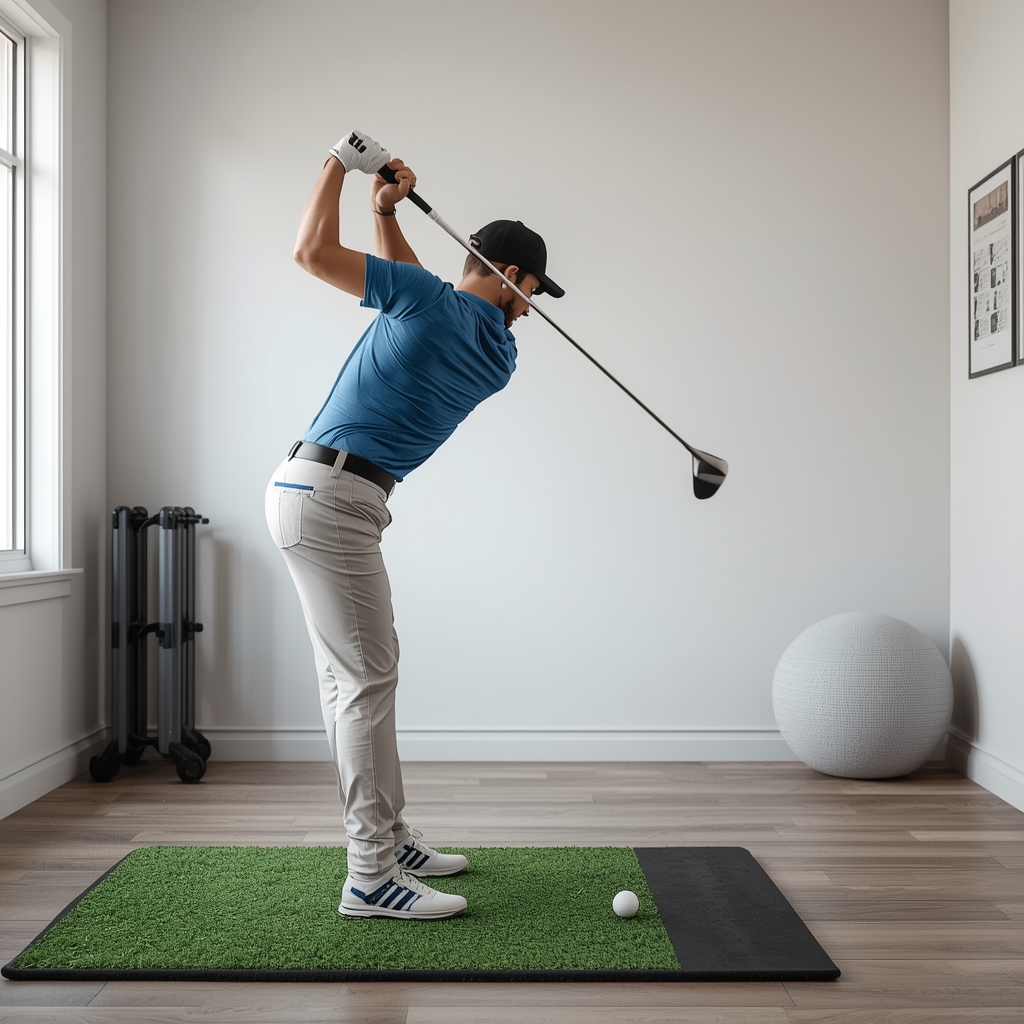
Understanding Golf-Specific Biomechanics
Golf requires precise coordination of the spine, shoulders, and hips to generate power and accuracy. Poor biomechanics can lead to inefficient swings and injury risks. Chiropractic care addresses misalignments and muscle imbalances that hinder performance. By focusing on the kinetic chain—how body parts interact during movement—chiropractors help golfers optimize their swing mechanics. Regular adjustments can enhance joint mobility, while soft tissue work improves flexibility. This holistic approach ensures the body moves as a unified system, reducing strain on vulnerable areas like the lower back and shoulders. Golfers often report improved stability and range of motion after targeted chiropractic interventions.
Spinal Adjustments for Posture and Swing Efficiency
Proper spinal alignment is critical for a balanced golf swing. Chiropractors use manual adjustments to correct subluxations (misaligned vertebrae) that may restrict movement or cause pain. A well-aligned spine allows for better weight transfer and rotational power during the swing. For example, addressing issues in the thoracic or lumbar regions can reduce lower back strain, a common problem among golfers. Adjustments also stimulate nervous system function, enhancing muscle coordination. Golfers may notice immediate improvements in their posture and swing fluidity after sessions. However, results vary, and consistency is key. A chiropractor can create a personalized plan to maintain optimal spinal health throughout the season.
Soft Tissue Techniques for Flexibility and Recovery
Soft tissue therapies like Active Release Technique (ART) and Graston Technique target muscle tightness and scar tissue that limit swing motion. These methods improve blood flow and restore normal tissue function, reducing the risk of strains. Golfers often experience stiffness in the hips, shoulders, and core, which can disrupt their swing mechanics. By releasing tension in these areas, chiropractors help golfers achieve a fuller range of motion. These techniques also accelerate recovery after intense play or practice. While not a substitute for exercise, soft tissue work complements corrective strategies. Golfers should discuss their specific needs with a provider to determine the best approach for their body.
Corrective Exercises to Strengthen Golf-Specific Muscles
Chiropractors often prescribe corrective exercises to build strength and stability in muscles used during golf. These may include rotational drills, core workouts, and hip mobility exercises. Strengthening the glutes, obliques, and lower back supports proper swing mechanics and reduces injury risk. For instance, exercises that mimic the golf swing can enhance muscle memory and coordination. Chiropractors may also recommend stretches to maintain flexibility in the thoracic spine and shoulders. Consistent practice of these exercises, combined with adjustments, can lead to long-term improvements. However, it’s essential to follow a provider’s guidance to avoid overtraining or improper form.
Injury Prevention Through Regular Chiropractic Care
Regular chiropractic visits can identify and address minor issues before they become serious. Golfers who prioritize preventive care often avoid common injuries like lower back pain, shoulder tendinitis, or wrist strains. Chiropractors assess joint mobility, muscle imbalances, and posture to create proactive strategies. For example, early intervention for hip stiffness can prevent compensatory movements that strain the knees or lower back. Routine adjustments also support the body’s natural healing processes. Golfers should consider scheduling check-ups during off-seasons or after tournaments to maintain peak performance. While chiropractic care is not a cure-all, it plays a vital role in sustaining long-term athletic health.
Collaborating with Golf Coaches and Therapists
Chiropractors often work alongside golf coaches and physical therapists to provide comprehensive care. This collaboration ensures that biomechanical adjustments align with swing training and rehabilitation goals. For instance, a chiropractor might address spinal restrictions while a coach refines a golfer’s technique. Physical therapists may focus on injury recovery, while chiropractors handle preventive maintenance. This multidisciplinary approach maximizes results and reduces setbacks. Golfers should communicate openly with all providers to create a cohesive plan. By integrating these perspectives, athletes can achieve better performance and longevity in the sport.















