
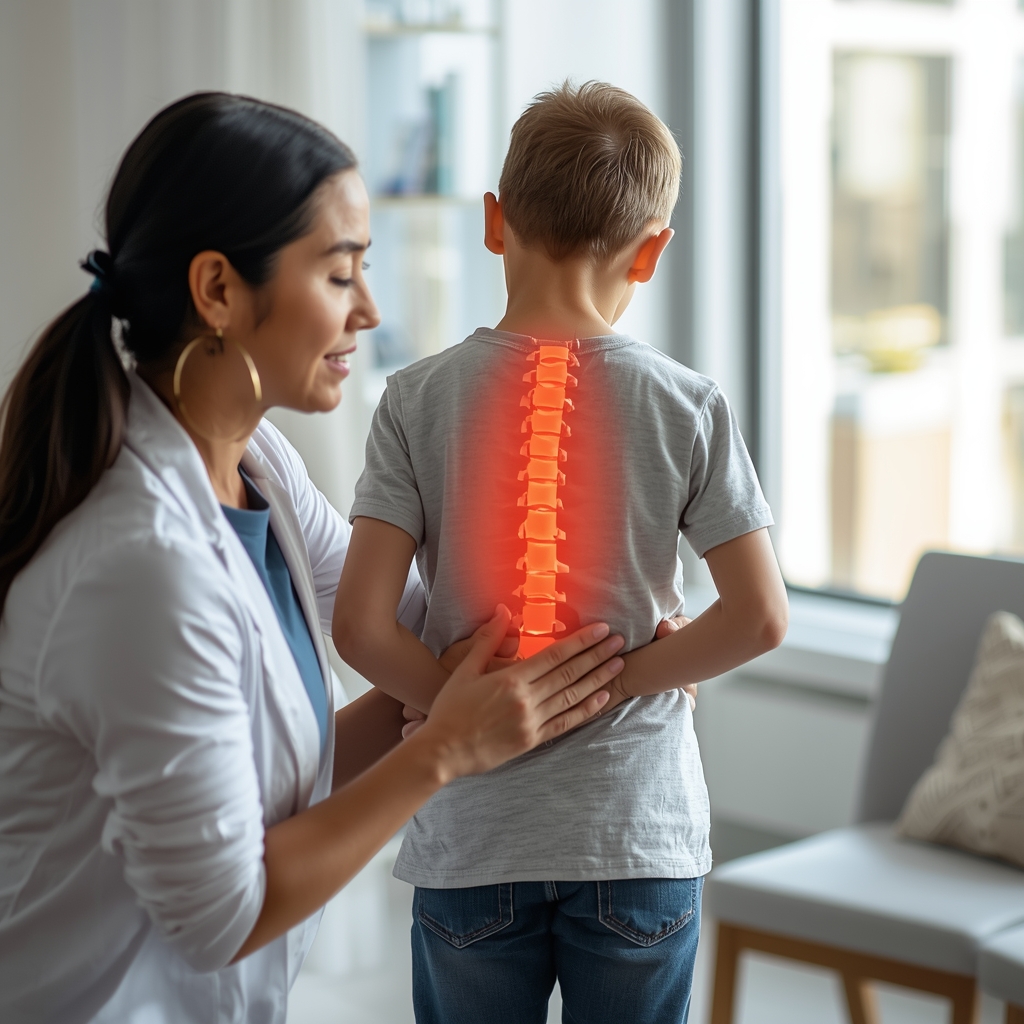
Understanding the Role of Family-Centered Chiropractic Care
Family-centered chiropractic care emphasizes a holistic approach to health that involves all household members. For children engaged in sports, this model ensures consistent support for injury prevention through regular checkups and personalized strategies. Chiropractors working with families can identify early signs of musculoskeletal imbalances that might lead to sports-related injuries. By addressing these issues proactively, families create a foundation for long-term wellness. This approach also encourages open communication between parents, children, and healthcare providers, fostering a collaborative environment for managing physical health. The goal is not just to treat problems but to build resilience through education and preventive measures tailored to each family's needs.
Regular Spinal Checkups for Children
Regular spinal checkups are a cornerstone of preventive chiropractic care for children. These visits help detect and correct subluxations (misalignments) that could compromise nerve function and physical performance. For young athletes, even minor misalignments can lead to reduced flexibility, poor posture, or increased injury risk. Chiropractors use gentle, age-appropriate techniques to ensure proper spinal alignment, which supports optimal movement patterns. Families who prioritize these checkups often notice improvements in their children's coordination, balance, and overall athletic performance. Additionally, these visits provide an opportunity to educate parents and children about injury prevention strategies, such as proper warm-up routines and recovery practices. By making spinal health a family priority, children develop lifelong habits that reduce their risk of sports-related injuries.
Posture and Movement Education for Young Athletes
Teaching children proper posture and movement mechanics is essential for preventing sports injuries. Chiropractors often work with families to develop customized education plans that address specific needs, such as correcting forward head posture or improving core strength. These strategies help children maintain proper alignment during physical activities, reducing strain on joints and muscles. Family involvement is key—parents can reinforce these lessons at home through daily routines and supervised exercises. For example, incorporating balance drills or stretching into a child's pre-game ritual can enhance stability and flexibility. Chiropractors may also recommend ergonomic adjustments for schoolwork or sports equipment to minimize stress on the body. By integrating posture and movement education into a child's lifestyle, families create a protective barrier against common sports injuries.
Building a Supportive Multigenerational Health Environment
A family-centered approach to chiropractic care fosters a culture of health that benefits all generations. When parents and older siblings model healthy habits, children are more likely to adopt them. For instance, a family that prioritizes regular physical activity and proper nutrition creates an environment where sports injuries are less likely to occur. Chiropractors can guide families in developing shared wellness goals, such as participating in group exercises or practicing mindfulness together. This collective effort strengthens the emotional and physical support system for young athletes. Additionally, multigenerational care allows for the transfer of knowledge across ages—older family members can learn from chiropractors' expertise, while children gain confidence in their own health management. Such an approach not only prevents injuries but also promotes overall well-being for the entire family.
Integrating Preventive Strategies with Daily Routines
Preventive chiropractic care works best when combined with consistent daily habits. Families can collaborate with chiropractors to design routines that include stretching, strength training, and recovery practices tailored to a child's sport. For example, a soccer player might benefit from specific hip and core exercises, while a gymnast could focus on spinal mobility drills. Chiropractors often recommend incorporating these practices into a child's schedule to build resilience without overwhelming them. Additionally, families can learn to recognize early warning signs of overuse injuries, such as persistent fatigue or localized pain, and address them promptly. By making preventive care a natural part of everyday life, children develop the tools to protect their bodies as they grow. This proactive mindset, guided by a chiropractor, empowers families to reduce injury risks effectively.
Consulting a Chiropractor for Personalized Guidance
Every child's body is unique, and a one-size-fits-all approach to injury prevention is ineffective. Chiropractors can create customized care plans based on a child's age, sport, and physical condition. These plans may include adjustments, therapeutic exercises, and lifestyle recommendations designed to enhance performance and reduce injury risk. Families are encouraged to maintain open communication with their chiropractor to address concerns and track progress over time. Regular follow-ups ensure that the care plan evolves as the child grows and their physical demands change. While chiropractic care is a valuable tool, it works best when combined with other health practices, such as proper nutrition and rest. By partnering with a qualified chiropractor, families can make informed decisions that support their child's long-term health and athletic potential.












