
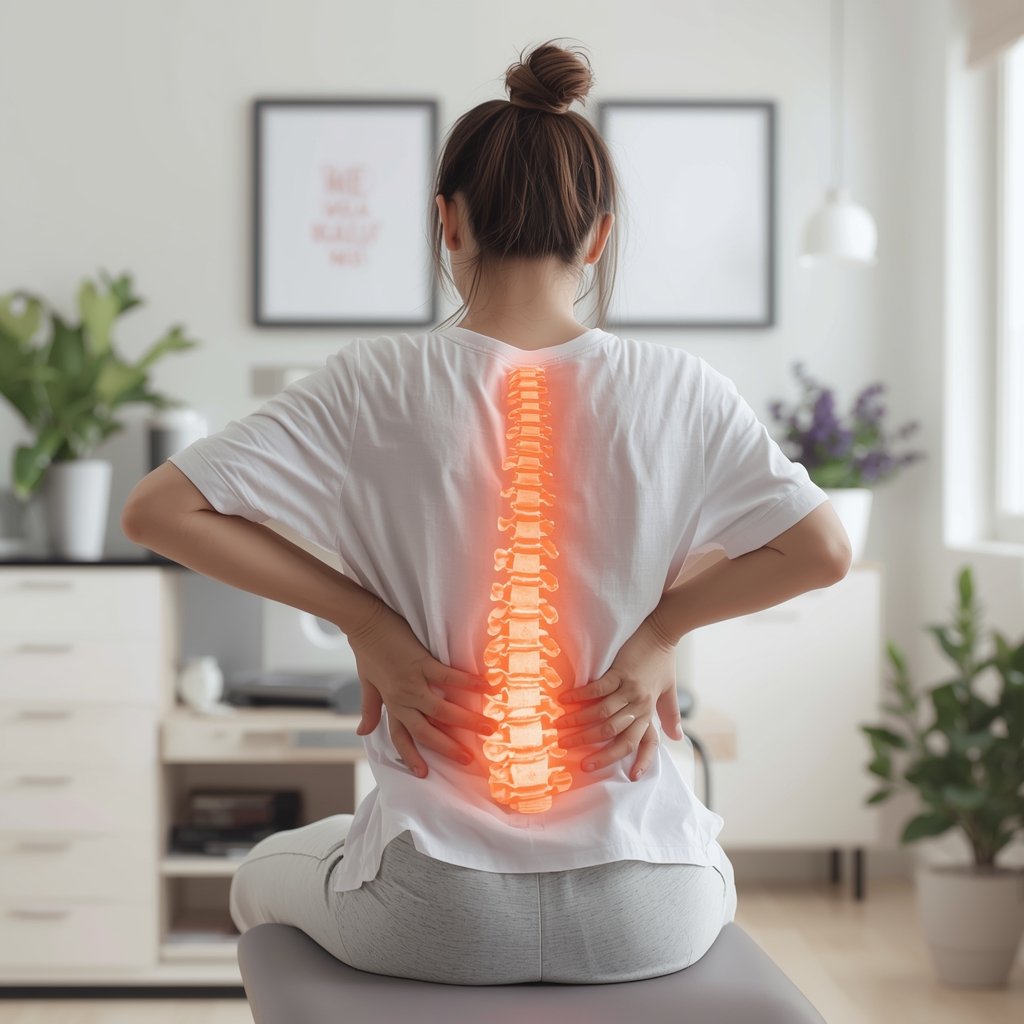
Understanding Chronic Low Back Pain and Non-Opioid Options
Chronic low back pain affects millions, often leading to reliance on opioids for relief. However, the risks of addiction and side effects have spurred interest in non-opioid alternatives. Spinal manipulation, a core chiropractic technique, is frequently considered as a first-line approach. This method involves controlled, sudden force to spinal joints, aiming to improve mobility and reduce pain. While not a cure, it aligns with broader efforts to prioritize non-pharmacological strategies. Patients and providers seek evidence-based options that minimize risks while addressing persistent discomfort. Understanding the role of spinal manipulation requires examining its scientific support and practical applications in modern care.
Guidelines and Clinical Recommendations
Major health organizations, including the American College of Physicians, emphasize non-opioid treatments as initial interventions for chronic low back pain. Spinal manipulation is often highlighted alongside physical therapy and exercise. These guidelines reflect growing recognition of the limitations of long-term opioid use and the need for safer, sustainable solutions. While specific research on spinal manipulation varies, its inclusion in recommendations underscores its potential as a viable alternative. Patients are encouraged to explore these options with healthcare providers, ensuring care plans prioritize safety and evidence-based practices. This shift highlights a broader movement toward integrative, patient-centered approaches.
Comparative Effectiveness of Spinal Manipulation
Studies suggest spinal manipulation may offer comparable pain relief to traditional treatments like medication or physical therapy, with fewer risks. Research indicates it can reduce pain intensity and improve function, though results vary among individuals. Unlike opioids, it avoids systemic side effects and dependency risks, making it appealing for long-term management. However, its effectiveness often depends on proper diagnosis and skilled execution. When integrated with other non-opioid strategies, such as exercise or lifestyle adjustments, spinal manipulation may enhance outcomes. Patients should discuss its suitability with qualified professionals to determine if it aligns with their specific needs and health goals.
Biomechanical and Neurophysiological Mechanisms
Spinal manipulation is thought to influence pain through biomechanical and neurophysiological pathways. By restoring joint mobility, it may alleviate pressure on nerves and reduce inflammation. Some theories suggest it modulates pain signals via the nervous system, potentially enhancing the body’s natural pain-relief mechanisms. While the exact processes remain under study, these hypotheses align with broader understandings of how spinal health impacts overall well-being. The lack of systemic side effects further distinguishes it from pharmacological options. However, individual responses vary, emphasizing the need for personalized care and professional guidance when considering this approach.
Safety and Potential Risks
Spinal manipulation is generally considered safe when performed by trained professionals. Common side effects include temporary soreness or stiffness, which typically resolve quickly. Serious complications are rare but can occur, particularly if there are underlying conditions like osteoporosis or spinal instability. Patients should disclose their full medical history to ensure the technique is appropriate. While not without risks, its safety profile compares favorably to long-term opioid use. As with any treatment, informed decision-making is crucial. Working with a qualified chiropractor helps mitigate risks and ensures the approach aligns with individual health needs.
The Role of Chiropractic Care in Modern Pain Management
Chiropractic care, including spinal manipulation, is increasingly recognized as a valuable component of comprehensive pain management. Its focus on musculoskeletal health complements other non-opioid strategies, offering a holistic approach to chronic low back pain. While not a standalone solution for all cases, it provides an alternative to medication that many find beneficial. Patients are encouraged to consult with healthcare providers to explore options that fit their unique circumstances. As research continues, the integration of spinal manipulation into mainstream care reflects a broader commitment to safe, effective, and patient-centered treatment plans.












