
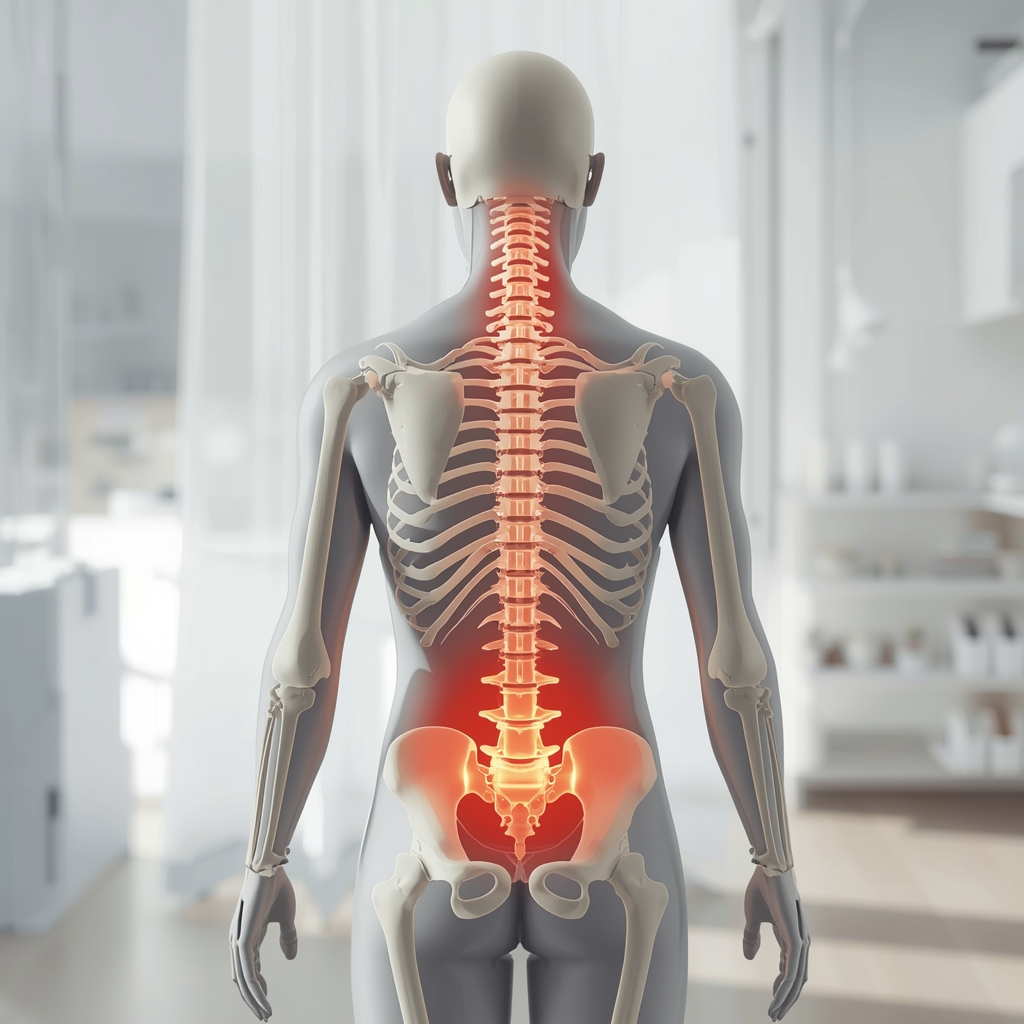
Understanding Chronic Sacroiliac Joint Pain
Chronic sacroiliac (SI) joint pain affects the connection between the spine and pelvis, often causing lower back and hip discomfort. This condition can stem from injury, arthritis, or biomechanical imbalances. While the exact cause varies, persistent pain may require targeted interventions. Chiropractic care focuses on restoring function and reducing inflammation through non-invasive methods. Patients often seek evidence-based techniques to manage symptoms and improve mobility. Understanding the role of chiropractic approaches is key to informed decision-making. Always consult a licensed chiropractor to explore options tailored to your needs.
Spinal Manipulation and Adjustments
Spinal manipulation, a cornerstone of chiropractic care, involves precise adjustments to the SI joint to improve alignment and reduce pain. Research suggests that this technique can alleviate pressure on nerves and restore normal joint function. Studies indicate that adjustments may enhance mobility and decrease inflammation in chronic cases. However, effectiveness varies, and results depend on the practitioner’s skill and the patient’s condition. Chiropractors often combine adjustments with other therapies for optimal outcomes. Patients should discuss potential risks and benefits with their provider to ensure safety and appropriateness for their specific situation.
Soft Tissue Therapy and Myofascial Release
Soft tissue therapy targets muscles and connective tissues surrounding the SI joint, addressing tension that contributes to pain. Techniques like myofascial release aim to break up adhesions and improve blood flow, promoting healing. This approach is often used alongside spinal adjustments to address both structural and muscular imbalances. Evidence supports its role in reducing pain and improving range of motion. Patients may experience temporary soreness after sessions, but this typically subsides. Consistent treatment can lead to long-term relief. As with all therapies, individual responses vary, and a chiropractor can help determine the best combination of techniques.
Active Release Technique (ART)
Active Release Technique (ART) is a specialized method targeting soft tissue restrictions that affect the SI joint. By combining movement with deep tissue pressure, ART aims to restore normal function and reduce pain. This technique is particularly useful for addressing muscle imbalances and scar tissue. While specific studies on SI joint pain are limited, ART’s broader application in musculoskeletal conditions shows promise. Patients often report improved flexibility and reduced discomfort. As with other therapies, results depend on the practitioner’s expertise and the patient’s commitment to follow-up care. Consulting a trained chiropractor is essential to ensure proper application.
Therapeutic Exercises and Rehabilitation
Therapeutic exercises play a vital role in managing chronic SI joint pain by strengthening supporting muscles and improving stability. Chiropractors may recommend tailored routines to enhance posture and reduce strain on the joint. Low-impact activities like yoga or swimming can complement manual therapies. Evidence suggests that consistent exercise improves long-term outcomes and prevents recurrence. Patients should avoid high-impact movements that exacerbate symptoms. A chiropractor can guide patients in selecting safe, effective exercises. Combining physical therapy with other interventions often yields the best results, emphasizing a holistic approach to recovery.
Lifestyle Modifications and Ongoing Care
Lifestyle factors significantly influence SI joint pain management. Ergonomic adjustments, proper lifting techniques, and weight management can reduce stress on the joint. Chiropractors often advise patients on daily habits that support spinal health. Regular check-ups may help monitor progress and prevent setbacks. While evidence-based techniques provide relief, long-term success depends on patient adherence. Integrating chiropractic care with other wellness strategies, such as nutrition and stress reduction, enhances overall outcomes. Open communication with a healthcare provider ensures that care remains aligned with individual needs and goals.













