
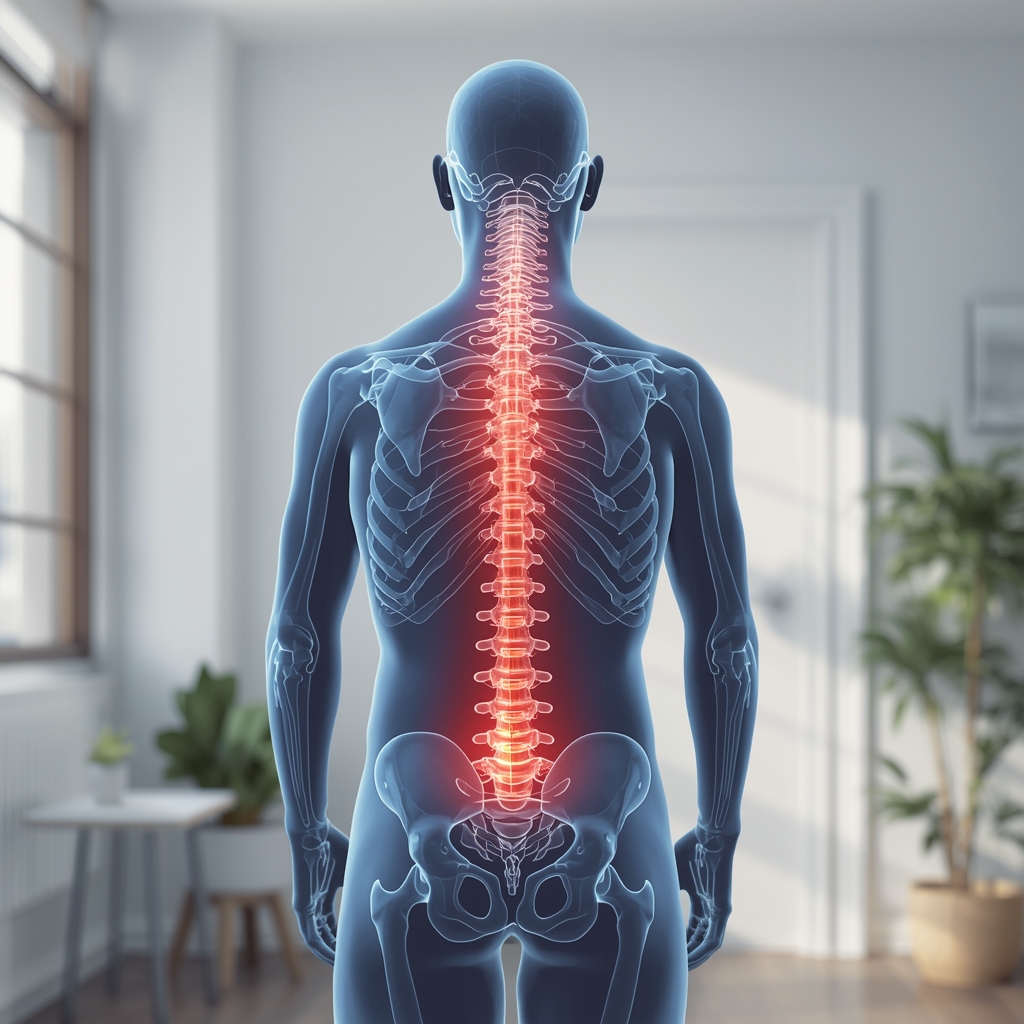
Understanding Diabetic Neuropathy and Chiropractic Care
Diabetic neuropathy, a common complication of diabetes, involves nerve damage that often causes pain, tingling, or numbness, particularly in the extremities. While medication is a traditional approach, many patients seek non-pharmacological alternatives due to concerns about side effects or dependency. Chiropractic care offers a drug-free option by focusing on spinal alignment, nerve function, and overall musculoskeletal health. By addressing structural imbalances, chiropractors aim to reduce nerve compression and improve circulation, which may alleviate symptoms. This approach aligns with broader efforts to manage chronic conditions through holistic, patient-centered strategies. However, it is essential to consult a qualified provider to determine the most suitable plan for individual needs.
Spinal Adjustments and Nerve Function
Spinal adjustments, a cornerstone of chiropractic care, involve manual manipulations to correct misalignments (subluxations) that may compress nerves. For diabetic neuropathy, these adjustments can help relieve pressure on affected nerves, potentially reducing pain and improving nerve signaling. By restoring proper spinal mechanics, chiropractors may enhance the body’s natural healing processes. While research on this specific application is limited, many patients report symptom relief through regular adjustments. It is important to note that spinal manipulation should be performed by a licensed professional to ensure safety and effectiveness. This technique is often part of a broader treatment plan that includes other non-invasive therapies.
Soft Tissue Therapies for Symptom Relief
Soft tissue therapies, such as Active Release Technique (ART) and massage, target muscles, tendons, and ligaments to reduce tension and improve mobility. For diabetic neuropathy, these methods can alleviate discomfort caused by muscle tightness or reduced blood flow. ART, in particular, focuses on breaking down scar tissue and adhesions that may contribute to nerve irritation. By addressing soft tissue restrictions, chiropractors can enhance nerve function and decrease pain. These therapies are often used alongside spinal adjustments to create a comprehensive approach. Patients should discuss their specific symptoms with a provider to determine the most beneficial techniques for their condition.
Cold Laser Therapy and Neurological Support
Cold laser therapy, also known as low-level laser therapy (LLLT), uses light energy to stimulate cellular function and reduce inflammation. This modality is sometimes used in chiropractic care to support nerve health and alleviate pain associated with neuropathy. The therapy is non-invasive and may help improve blood flow to affected areas, promoting healing. While evidence on its efficacy for diabetic neuropathy is still emerging, some practitioners report positive outcomes when integrating it with other treatments. Patients should be aware that results can vary, and it is best used as part of a personalized care plan. Always consult a licensed chiropractor to explore whether this option suits your needs.
Lifestyle and Ergonomic Modifications
In addition to hands-on treatments, chiropractors often recommend lifestyle and ergonomic changes to support neuropathy management. Proper posture, regular movement, and ergonomic adjustments at work or home can reduce strain on nerves and muscles. For example, avoiding prolonged sitting or standing may prevent exacerbating symptoms. Exercise, such as gentle stretching or low-impact activities, can also improve circulation and nerve function. Chiropractors may provide guidance on safe, daily practices that complement in-office care. These modifications empower patients to take an active role in their recovery while minimizing reliance on medication. Collaboration with a healthcare provider ensures these strategies align with overall treatment goals.
Collaborative Care and Individualized Planning
Managing diabetic neuropathy effectively often requires a multidisciplinary approach. Chiropractors may work alongside primary care physicians, endocrinologists, or physical therapists to create a tailored plan. This collaboration ensures that non-medical interventions like spinal adjustments or soft tissue therapies are used safely and appropriately. Patients should communicate openly with all providers to avoid conflicts and maximize benefits. While chiropractic care can offer valuable support, it is not a substitute for medical treatment of diabetes itself. Regular monitoring of blood sugar levels and adherence to prescribed therapies remain critical. By combining professional expertise with patient engagement, individuals can explore comprehensive, drug-free solutions for neuropathy relief.














