
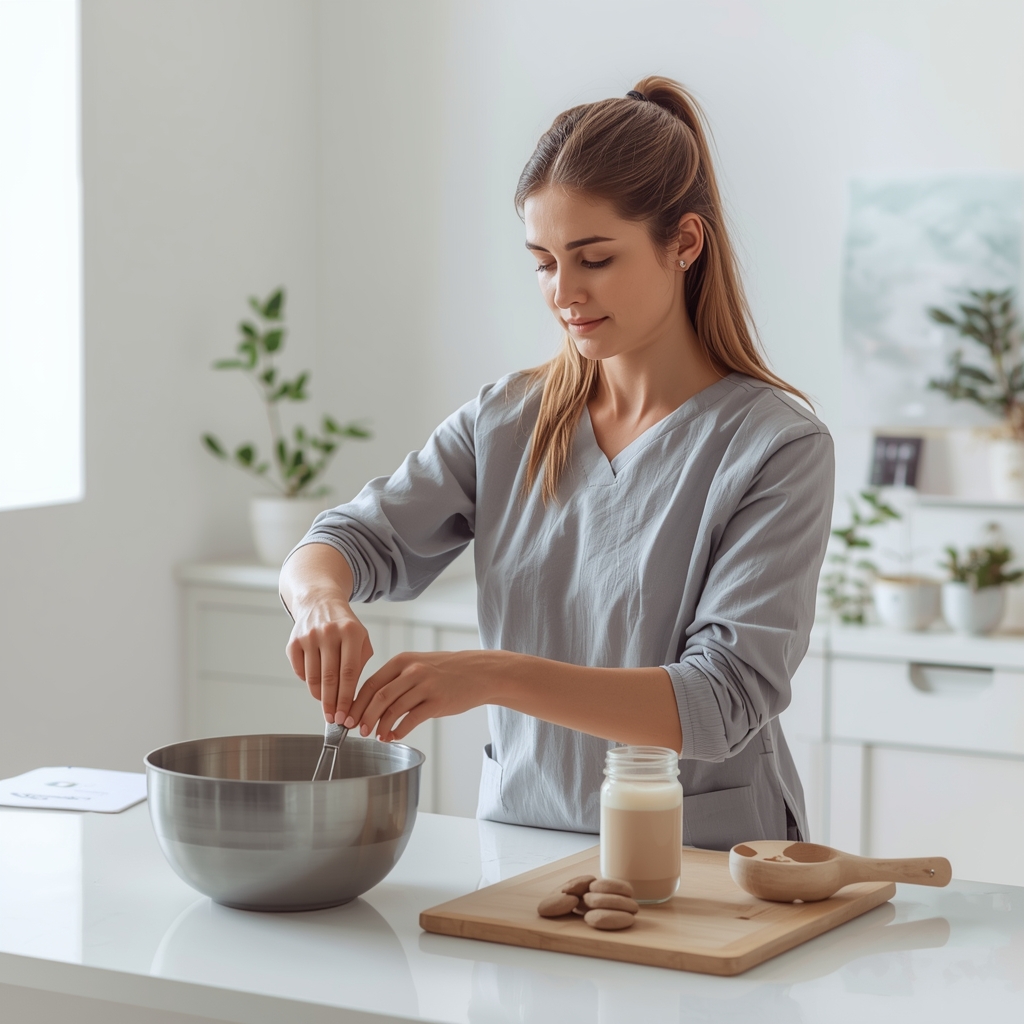
Understanding Wrist Strain During Holiday Cooking
Holiday cooking and baking often involve repetitive motions, prolonged gripping, and awkward postures that can strain the wrists. Activities like chopping, kneading dough, and stirring require sustained hand and wrist engagement, increasing the risk of overuse injuries. The wrist joint, supported by tendons and ligaments, can become inflamed or irritated without proper ergonomic support. Chiropractors note that many individuals underestimate the cumulative impact of these daily tasks, leading to discomfort or chronic issues. Recognizing early signs—such as tingling, stiffness, or pain—is crucial for prevention. By addressing workspace setup and movement habits, individuals can reduce strain and maintain comfort throughout the holiday season. This article explores practical adjustments and chiropractic insights to safeguard wrist health during festive cooking.
Key Ergonomic Adjustments for Wrist Health
Simple adjustments to kitchen tools and routines can significantly reduce wrist strain. Using ergonomic knives with contoured handles distributes pressure more evenly, minimizing grip fatigue. Cutting boards with non-slip bases prevent awkward wrist movements during chopping. For bakers, opting for rolling pins with textured surfaces or adjustable heights reduces the need to bend wrists excessively. Chiropractors also recommend using a standing desk or adjustable counter to maintain neutral wrist alignment while working. Proper tool placement—keeping frequently used items within easy reach—limits unnecessary stretching. Additionally, alternating hands during tasks can balance workload between both wrists. These adjustments align with chiropractic principles of reducing repetitive stress and promoting natural body mechanics, helping individuals enjoy cooking without discomfort.
Posture and Workspace Setup
Proper posture and workspace organization are foundational to preventing wrist strain. Chiropractors emphasize maintaining a neutral spine and relaxed shoulders while cooking, which indirectly supports wrist alignment. Ensuring that the work surface height allows elbows to bend at a 90-degree angle keeps the wrists in a straight, relaxed position. Avoiding hunched-over stances or reaching excessively reduces unnecessary strain. For bakers, using a rolling pin stand or elevated workstations can prevent bending wrists downward. Chiropractors also advise against prolonged static positions, recommending frequent movement breaks. By optimizing workspace ergonomics, individuals create a safer environment for repetitive tasks. These adjustments not only protect the wrists but also promote overall musculoskeletal health, aligning with chiropractic care’s focus on holistic wellness.
Chiropractic Recommendations for Wrist Care
Chiropractors often advise patients to prioritize wrist health through both preventive and corrective measures. They may suggest regular stretching exercises to maintain flexibility, such as wrist circles or gentle flexion/extension movements. For those already experiencing discomfort, chiropractic adjustments can address misalignments that contribute to nerve compression or restricted mobility. Soft tissue therapies, like massage or myofascial release, may also be recommended to alleviate tension in the forearm and wrist. Chiropractors emphasize the importance of proper technique during cooking—such as using the whole hand rather than just the fingers to grip tools. They also advise against overloading the wrists with heavy lifting or repetitive motions. By integrating these strategies, individuals can reduce the risk of chronic issues and support long-term wrist function.
Incorporating Rest and Movement Breaks
Regular breaks and movement are essential for preventing wrist strain during extended cooking sessions. Chiropractors recommend taking short pauses every 20–30 minutes to stretch and reset posture. Simple exercises, like shaking out the hands or rotating the wrists, can restore blood flow and reduce stiffness. Alternating between tasks—such as switching from chopping to washing dishes—gives the wrists time to recover. For bakers, using a timer to remind oneself to rest can prevent overuse. Chiropractors also suggest incorporating low-impact activities, like walking or light yoga, to promote overall circulation. These practices align with chiropractic principles of balancing physical activity with recovery. By prioritizing rest, individuals can maintain wrist health without compromising their holiday cooking goals.
Consulting a Chiropractor for Personalized Guidance
While general ergonomic adjustments are helpful, individual needs vary. Chiropractors can assess personal risk factors and recommend tailored strategies for wrist protection. They may identify underlying issues, such as poor posture or muscle imbalances, that contribute to strain. For those with existing wrist discomfort, a chiropractor can develop a care plan that includes adjustments, therapies, and lifestyle modifications. They also provide guidance on selecting appropriate tools and techniques for specific tasks. By working with a chiropractor, individuals gain access to expert insights that address both immediate concerns and long-term wellness. This collaborative approach ensures that ergonomic solutions are both effective and sustainable, supporting a healthier, more enjoyable holiday cooking experience.














