
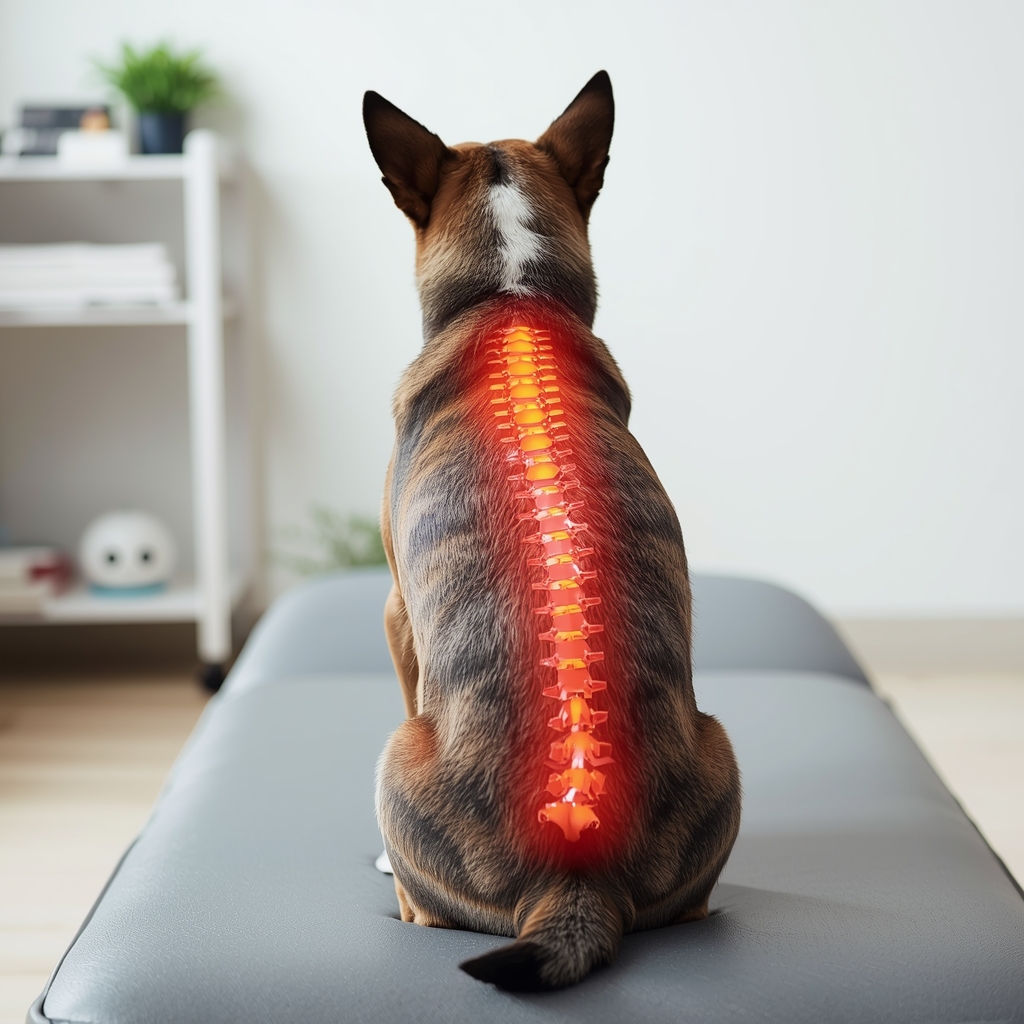
Common Musculoskeletal Issues in Dogs and Cats
Like humans, pets can develop musculoskeletal conditions that affect their joints, muscles, and spine. Common issues include arthritis, hip dysplasia, intervertebral disc disease, and spinal misalignments. Arthritis, for instance, causes joint inflammation and pain, often affecting older animals. Hip dysplasia is a developmental disorder where the hip joint doesn’t fit properly, leading to discomfort and mobility challenges. Spinal problems, such as subluxations (partial dislocations), may result from trauma, aging, or genetic factors. These conditions can limit movement, cause stiffness, or lead to chronic pain. Recognizing symptoms like limping, reluctance to jump, or changes in gait is crucial. While veterinary care is essential, some pet owners explore animal chiropractic as a complementary approach to support musculoskeletal health and improve quality of life.
How Spinal Adjustments Work in Animals
Animal chiropractors use manual techniques to realign the spine and restore proper function to the musculoskeletal system. These adjustments aim to correct subluxations, which may interfere with nerve communication between the brain and body. By gently manipulating the vertebrae, chiropractors can reduce pressure on nerves, improve joint mobility, and alleviate pain. The process is tailored to the animal’s size, species, and condition, often involving light pressure or specific mobilization techniques. Unlike human chiropractic care, adjustments for pets require specialized knowledge of their anatomy and behavior. For example, a dog’s spine differs from a cat’s, necessitating distinct approaches. The goal is to enhance the body’s natural healing abilities while minimizing discomfort. Many pet owners report improved flexibility and reduced stiffness after sessions, though results vary based on the individual animal’s needs and overall health.
Benefits for Mobility and Pain Relief
Spinal adjustments may help pets regain mobility and reduce pain associated with musculoskeletal issues. By addressing misalignments, chiropractic care can alleviate pressure on nerves and muscles, potentially easing discomfort and improving range of motion. For animals with arthritis, this might mean less stiffness and greater ease in movement. Pets recovering from injuries or surgeries may also benefit from adjustments that support healing and prevent secondary complications. Additionally, improved spinal function can enhance overall body mechanics, reducing strain on joints and muscles. While not a substitute for veterinary treatment, many pet owners find chiropractic care complements traditional approaches. It’s important to note that results depend on the animal’s condition, the expertise of the chiropractor, and consistent follow-up. Always consult a qualified professional to determine if adjustments are suitable for your pet’s specific needs.
Conditions Treated by Animal Chiropractors
Animal chiropractors often address a range of musculoskeletal and nervous system-related conditions. Common issues include arthritis, which causes joint inflammation and pain, and spinal misalignments that may contribute to chronic discomfort. They also treat conditions like hip dysplasia, intervertebral disc disease, and lameness resulting from injuries or degenerative changes. Some practitioners work with pets experiencing post-surgical recovery, aiming to support healing and restore mobility. Additionally, chiropractic care may help with neurological symptoms, such as balance issues or muscle weakness, by improving spinal function. While not a cure for all conditions, adjustments can provide relief and enhance the body’s ability to function optimally. It’s crucial to seek care from a licensed animal chiropractor who understands the unique needs of different species. Combining chiropractic techniques with veterinary guidance ensures a holistic approach to your pet’s health and well-being.
The Importance of Professional Evaluation
Before pursuing spinal adjustments, pets should undergo a thorough evaluation by a qualified veterinarian or animal chiropractor. This ensures the treatment is appropriate for the animal’s specific condition and avoids potential risks. A professional can identify underlying issues that may require medical intervention, such as infections, fractures, or severe degenerative diseases. Chiropractic care is most effective when used as part of a comprehensive treatment plan, alongside traditional veterinary care. For example, a pet with advanced arthritis may benefit from a combination of medication, physical therapy, and adjustments. It’s also important to choose a chiropractor with specialized training in animal care, as techniques differ from those used for humans. Regular check-ups can help monitor progress and adjust the approach as needed. Always prioritize your pet’s safety by working with licensed professionals who prioritize their health and comfort.
Integrating Chiropractic Care with Other Treatments
Animal chiropractic care often works best when combined with other therapeutic approaches. For instance, physical therapy exercises can strengthen muscles and improve flexibility, complementing the benefits of spinal adjustments. Pain management strategies, such as medication or cold laser therapy, may also be used to address inflammation and discomfort. Nutrition plays a role too, as a balanced diet supports joint health and overall recovery. In some cases, acupuncture or massage therapy may be recommended to enhance mobility and reduce stress. It’s essential to coordinate care with your veterinarian to ensure all treatments align and avoid conflicts. Open communication between the chiropractor and other healthcare providers helps create a tailored plan that meets your pet’s needs. While chiropractic adjustments can offer significant benefits, they are most effective when part of a multidisciplinary approach to musculoskeletal health.














