
Understanding Cold Laser Therapy for Osteoarthritis
Cold laser therapy, also known as low-level laser therapy (LLLT), is a non-invasive treatment that uses specific wavelengths of light to stimulate cellular function and reduce inflammation. For osteoarthritis, a degenerative joint condition characterized by cartilage breakdown and chronic pain, cold laser therapy has emerged as a potential adjunct to traditional care. Unlike high-intensity lasers used for surgical purposes, cold lasers do not generate heat, making them safer for prolonged use. Research suggests that this therapy may help alleviate pain and improve joint mobility by promoting tissue repair and reducing inflammatory responses. While not a standalone cure, its role in managing osteoarthritis symptoms is increasingly recognized in integrative medical approaches.
Research on Cold Laser Therapy for Joint Health
Studies on cold laser therapy for osteoarthritis have explored its effects on pain reduction and joint function. A growing body of evidence indicates that LLLT may modulate inflammatory markers and enhance cellular metabolism, which could slow cartilage degradation. For example, some trials have reported improved knee flexion and reduced stiffness in patients receiving cold laser treatments. However, results vary due to differences in laser parameters, treatment duration, and patient populations. While these findings are promising, researchers emphasize the need for larger, standardized studies to confirm long-term efficacy. Current consensus leans toward cold laser therapy as a supportive tool rather than a primary intervention for osteoarthritis.
How Cold Laser Therapy Works Biologically
The biological mechanisms of cold laser therapy involve photobiomodulation, where light energy is absorbed by cellular mitochondria, enhancing ATP production and reducing oxidative stress. This process can stimulate fibroblast activity, which aids in tissue repair, and inhibit pro-inflammatory cytokines, lessening joint swelling. For osteoarthritis, these effects may help mitigate cartilage breakdown and ease discomfort. Additionally, cold laser therapy may improve blood circulation, delivering nutrients and oxygen to affected areas. While the exact pathways remain under investigation, the therapy’s ability to influence cellular function without invasive procedures makes it an attractive option for patients seeking non-pharmacological relief. Its compatibility with other treatments, such as spinal adjustments, further highlights its potential in holistic care strategies.
Complementing Spinal Adjustments with Cold Laser Therapy
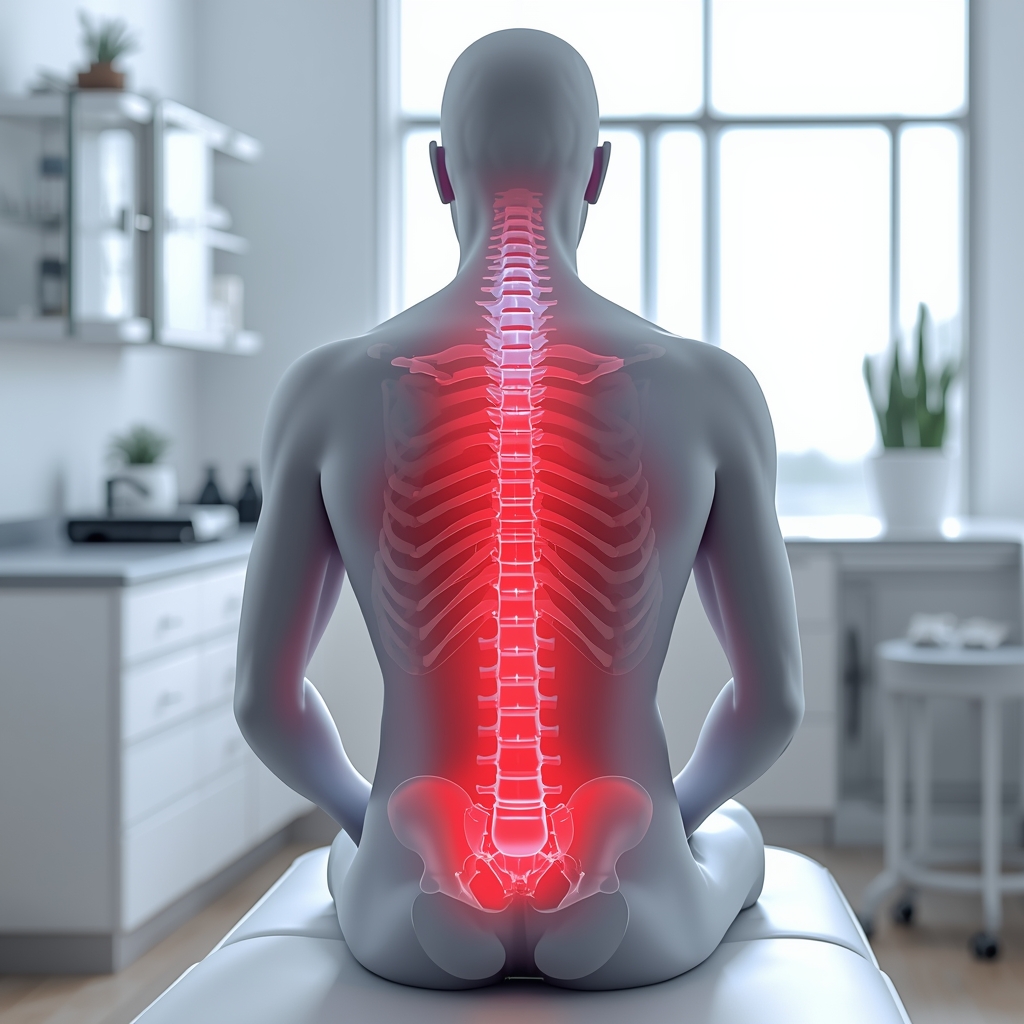
Spinal adjustments and cold laser therapy can work synergistically to address musculoskeletal pain and dysfunction. While spinal manipulations focus on realigning the spine to relieve nerve pressure and improve mobility, cold laser therapy targets inflammation and tissue repair at the cellular level. For patients with osteoarthritis, this combination may enhance overall outcomes by addressing both structural and biochemical factors. For instance, a chiropractor might use cold laser therapy to reduce inflammation in a patient’s knee before performing adjustments to improve spinal alignment, which can indirectly support joint health. This integrative approach underscores the value of combining evidence-based modalities to create personalized treatment plans tailored to individual needs.
Considerations for Patients and Practitioners
Patients considering cold laser therapy for osteoarthritis should consult a qualified chiropractor to determine its appropriateness for their condition. While generally safe, the therapy’s effectiveness can vary based on factors like laser wavelength, intensity, and treatment frequency. Practitioners must also consider contraindications, such as photosensitivity or certain medical conditions, to ensure patient safety. Importantly, cold laser therapy should not replace conventional medical care but rather complement it. Open communication between patients and providers is essential to align treatment goals and monitor progress. As research continues to evolve, staying informed about emerging evidence will help both parties make well-rounded decisions about incorporating cold laser therapy into a broader care strategy.
Future Directions and Patient Empowerment
The future of cold laser therapy for osteoarthritis hinges on further research to standardize protocols and validate long-term benefits. As more studies emerge, the therapy’s role in clinical practice may become more defined. For patients, staying informed about advancements and maintaining regular consultations with healthcare providers can empower them to make proactive choices about their care. Integrating cold laser therapy with spinal adjustments offers a promising avenue for managing osteoarthritis, but its success depends on a collaborative, patient-centered approach. By combining scientific evidence with individualized care, chiropractors and their patients can navigate treatment options with confidence, striving for improved quality of life and functional mobility.















