
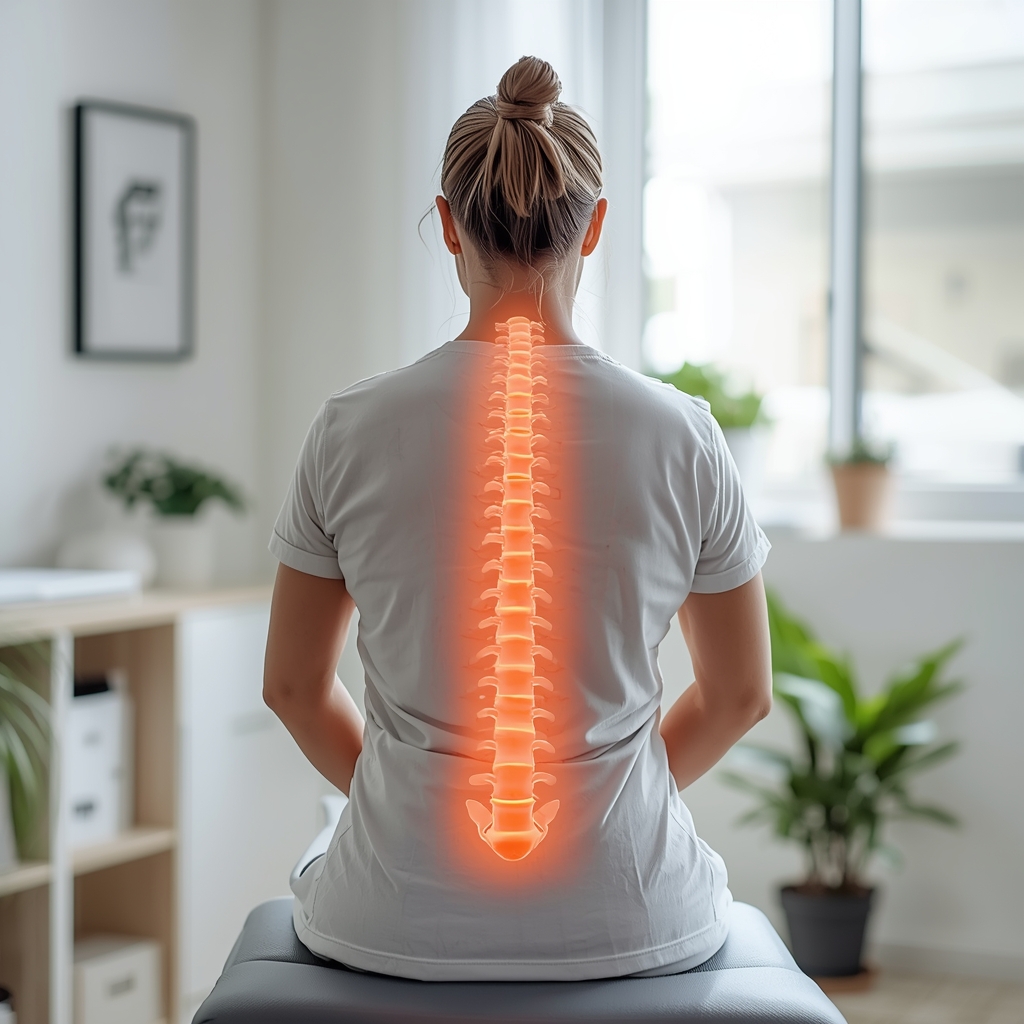
Understanding Lumbar Spinal Stenosis and Its Impact
Lumbar spinal stenosis occurs when the spinal canal in the lower back narrows, compressing nerves and causing pain, numbness, or weakness in the legs. This condition often develops gradually due to age-related changes like bone spurs or thickened ligaments. While symptoms may fluctuate, many patients seek long-term relief to maintain mobility and quality of life. Conservative treatments, including chiropractic care, are frequently explored as alternatives to surgery. Chiropractic adjustments and spinal decompression therapy are two approaches that aim to alleviate pressure on the spine, improve function, and reduce discomfort. These methods focus on non-invasive, holistic strategies to address the root causes of stenosis rather than just masking symptoms. Understanding how these therapies work can help patients make informed decisions about their care plans.
How Chiropractic Adjustments Address Spinal Stenosis
Chiropractic adjustments involve manual manipulations to realign the spine and restore proper function. For lumbar spinal stenosis, these adjustments may help reduce nerve compression by improving spinal curvature and joint mobility. By gently adjusting vertebrae, chiropractors can alleviate pressure on affected nerves, potentially easing pain and improving circulation. While adjustments alone may not cure stenosis, they can complement other therapies to enhance overall spinal health. Patients often report reduced stiffness and better posture after regular sessions. However, the effectiveness of adjustments varies based on the severity of the condition and individual response. It’s important to work with a licensed chiropractor who can tailor techniques to the patient’s needs, ensuring safety and optimizing outcomes. This personalized approach is key to long-term management of chronic conditions like spinal stenosis.
Spinal Decompression Therapy: Mechanisms and Benefits
Spinal decompression therapy uses specialized equipment to gently stretch the spine, creating negative pressure in the discs. This process can relieve pressure on nerves and promote the rehydration of discs, which may reduce inflammation and pain. For lumbar stenosis, decompression therapy is often used to widen the spinal canal and ease nerve compression. The therapy is typically painless and non-surgical, making it an attractive option for patients seeking alternatives to invasive procedures. Many find that decompression sessions improve mobility and decrease the need for pain medications. However, results depend on factors like the patient’s overall health and adherence to treatment plans. When combined with chiropractic adjustments, decompression therapy may offer a more comprehensive approach to managing stenosis. Patients should consult with a chiropractor to determine if this therapy aligns with their specific condition and goals.
Combining Adjustments and Decompression for Long-Term Relief
Integrating chiropractic adjustments with spinal decompression therapy can create a synergistic effect, addressing both structural and mechanical aspects of lumbar stenosis. Adjustments may correct misalignments that contribute to nerve compression, while decompression therapy targets disc-related issues and reduces pressure on spinal nerves. This dual approach can enhance mobility, reduce inflammation, and support the body’s natural healing processes. Over time, consistent care may help patients maintain better posture, minimize flare-ups, and avoid the need for more aggressive interventions. Long-term success often depends on a personalized care plan that evolves with the patient’s needs. Regular follow-ups and lifestyle modifications, such as exercise and ergonomics, can further reinforce these benefits. By combining these therapies, patients may achieve sustained relief and improved quality of life without relying solely on medication or surgery.
Long-Term Management Strategies for Chronic Symptoms
Managing lumbar spinal stenosis requires a multifaceted approach that extends beyond individual treatments. Chiropractic care often includes recommendations for strengthening exercises, posture correction, and ergonomic adjustments to prevent symptom recurrence. Patients may also benefit from complementary therapies like massage or physical therapy to support spinal health. Consistency is key, as sporadic treatments may not provide lasting results. Long-term success often involves regular chiropractic visits, lifestyle modifications, and open communication with healthcare providers. Monitoring symptoms and adjusting care plans as needed ensures that patients receive ongoing support. For those with chronic conditions, a proactive approach to spinal health can reduce the risk of complications and maintain functional independence. By prioritizing holistic care, patients can better navigate the challenges of living with lumbar stenosis.
Consulting a Chiropractor for Personalized Care
Every patient’s experience with lumbar spinal stenosis is unique, making personalized care essential. A qualified chiropractor can evaluate the condition’s severity, identify contributing factors, and design a tailored treatment plan. This may include a combination of adjustments, decompression therapy, and lifestyle guidance to address both immediate symptoms and long-term goals. Patients should discuss their medical history, current medications, and any previous treatments to ensure safety and effectiveness. Open dialogue with a chiropractor helps set realistic expectations and fosters a collaborative approach to care. While chiropractic methods can offer significant relief, they are not a substitute for medical advice. Individuals considering these therapies should consult with their primary care provider to explore all options and make informed decisions about their health.














