
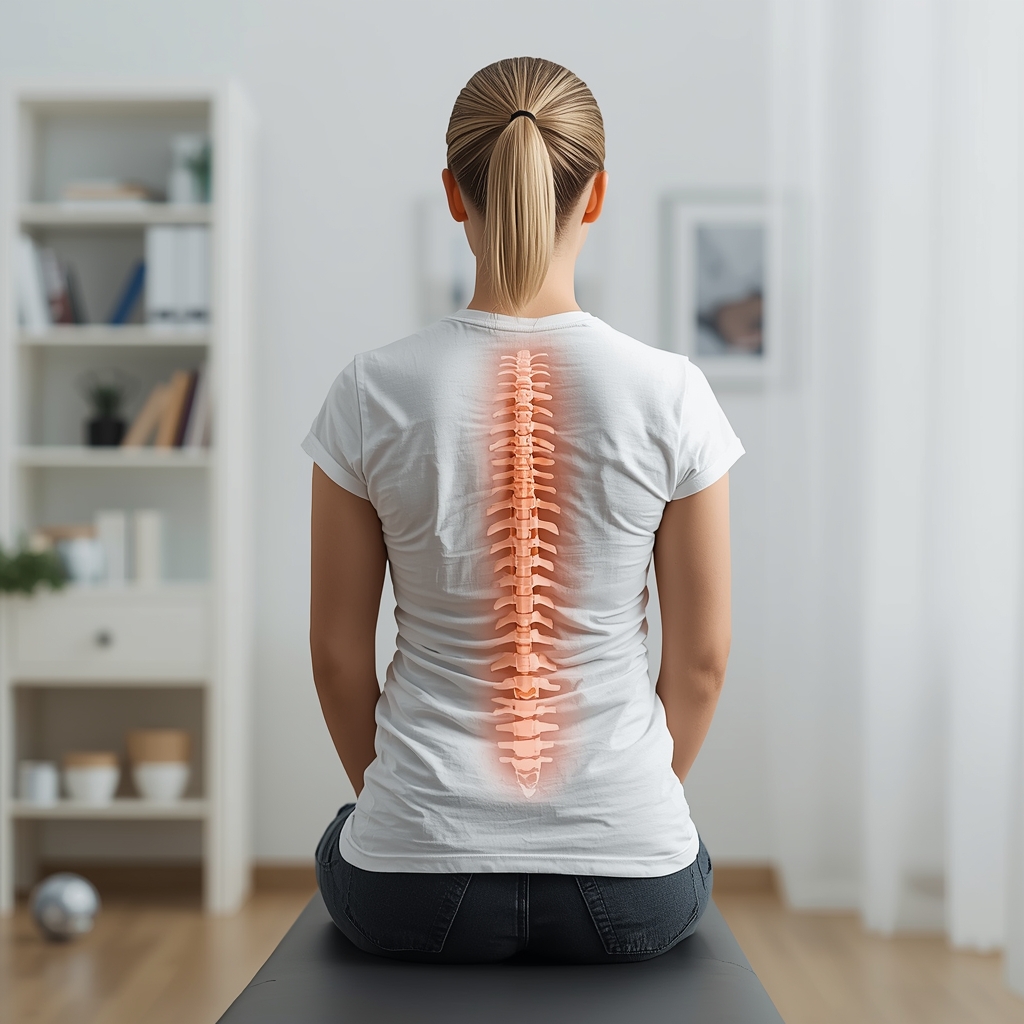
Understanding Postural Correction in Adolescent Scoliosis
Scoliosis, characterized by an abnormal spinal curvature, often affects adolescents during growth spurts. Postural correction plays a vital role in managing this condition, aiming to reduce spinal imbalance and alleviate symptoms. Chiropractors focus on aligning the spine and improving musculoskeletal function through non-invasive methods. While scoliosis may require monitoring, postural interventions can support overall spinal health. These approaches are typically part of a broader care plan, emphasizing regular movement and proper body mechanics. Patients and caregivers should understand that postural correction is a gradual process, often involving a combination of techniques tailored to individual needs. Open communication with a chiropractor ensures that strategies remain effective and adaptable as the adolescent grows.
Chiropractic Techniques for Postural Adjustment
Chiropractors use various techniques to address postural imbalances in adolescent scoliosis patients. Spinal manipulation, a common method, aims to restore proper alignment and mobility. Soft tissue therapies, such as myofascial release, may also be employed to ease muscle tension contributing to poor posture. Corrective exercises, often prescribed alongside adjustments, help strengthen core muscles and improve flexibility. These interventions work together to support the spine’s natural curvature. While results vary, many patients experience improved comfort and function. It’s important to note that these techniques are not a substitute for medical evaluation but complement standard care. A chiropractor can guide patients in selecting the most suitable approaches based on their specific condition and lifestyle.
Patient Compliance Strategies for Effective Care
Adolescents with scoliosis benefit greatly from consistent participation in their care plan. Compliance involves adhering to prescribed exercises, attending regular chiropractic sessions, and maintaining healthy habits. Parents and caregivers play a key role in encouraging adherence, especially as teens navigate independence. Setting realistic goals and tracking progress can motivate patients to stay engaged. Chiropractors often provide educational resources to help families understand the importance of each step. Additionally, integrating postural corrections into daily routines—such as proper sitting or sleeping positions—enhances long-term outcomes. Open dialogue between patients, families, and healthcare providers ensures that challenges are addressed promptly. By fostering a supportive environment, compliance becomes more achievable, leading to better results over time.
Integrating Corrective Exercises into Daily Routines
Corrective exercises are a cornerstone of postural rehabilitation for adolescent scoliosis. These targeted movements aim to strengthen weak muscles, stretch tight ones, and improve overall body awareness. Common exercises include core stabilization routines, posture-specific stretches, and balance training. When performed consistently, they can enhance spinal alignment and reduce discomfort. Chiropractors often customize exercise programs to match a patient’s unique needs, ensuring safety and effectiveness. Families are encouraged to incorporate these exercises into daily activities, such as homework breaks or after-school routines. Consistency is key, as sporadic practice may limit progress. Additionally, combining exercises with other chiropractic techniques, like adjustments or soft tissue work, amplifies their benefits. Patients and caregivers should discuss any concerns or difficulties with their chiropractor to refine the approach as needed.
Monitoring Progress and Adjusting Care Plans
Regular evaluation is essential to assess the effectiveness of postural correction strategies for adolescent scoliosis. Chiropractors use physical exams, patient feedback, and imaging (when necessary) to track changes in spinal alignment and function. Adjustments to the care plan may be made based on these findings, ensuring treatments remain aligned with the patient’s evolving needs. For example, if a teen experiences increased discomfort, the chiropractor might modify techniques or recommend additional therapies. Open communication between patients, families, and providers helps identify challenges early. Monitoring also highlights the importance of long-term commitment, as improvements often develop gradually. By staying proactive and adaptable, chiropractors can optimize outcomes while addressing any new concerns that arise during the adolescent’s growth phase.
Non-Surgical Interventions and Their Role in Scoliosis Management
Non-surgical interventions are a primary focus for managing adolescent scoliosis, emphasizing holistic and conservative approaches. Chiropractic care, alongside physical therapy and corrective exercises, offers a multidisciplinary strategy to support spinal health. These methods aim to reduce pain, improve mobility, and enhance quality of life without the risks associated with surgery. While they may not reverse spinal curvature, they can significantly alleviate symptoms and slow progression. Patients and families should consult with healthcare providers to determine the most appropriate options for their situation. A personalized care plan, regularly reviewed and adjusted, ensures that interventions remain effective. By prioritizing non-surgical solutions, adolescents can achieve greater comfort and functional independence while minimizing reliance on more invasive treatments.













