
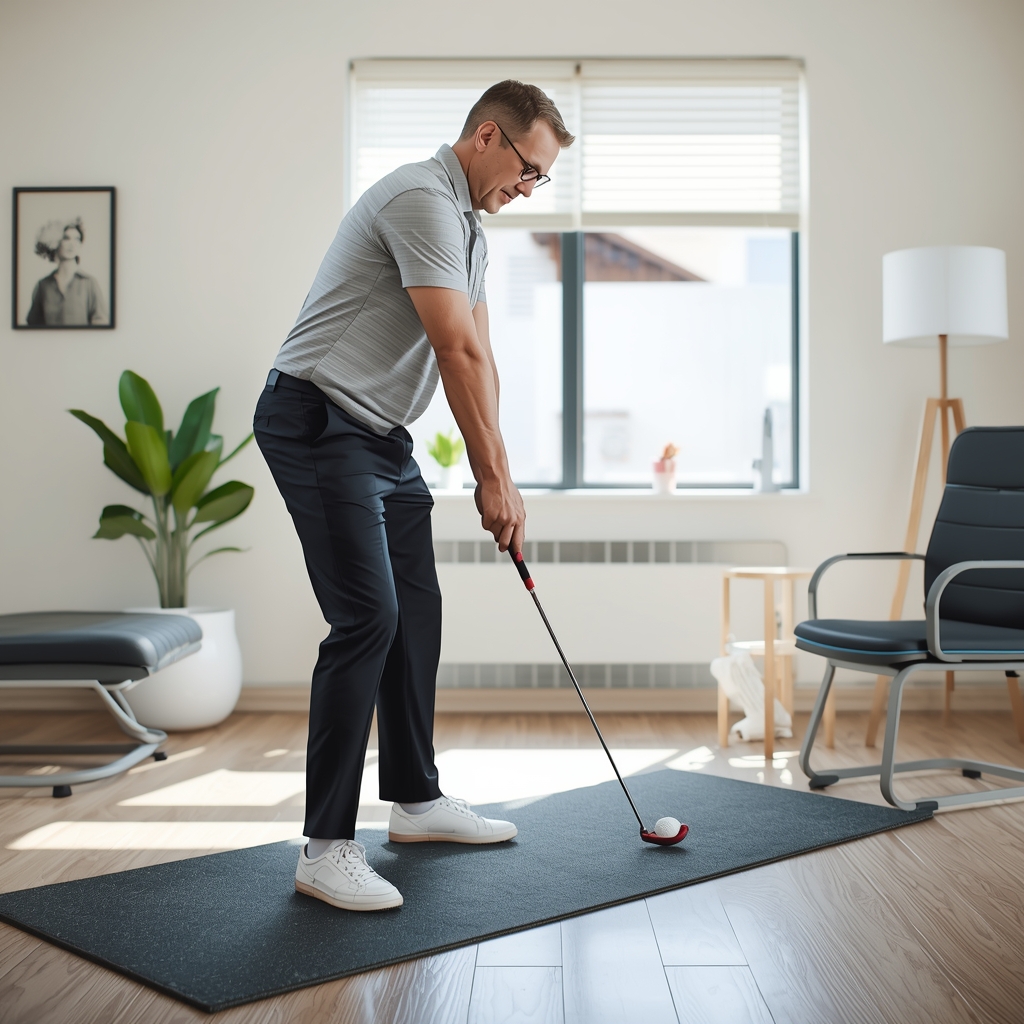
Understanding Chronic Ankle Instability in Golfers
Chronic ankle instability often stems from repeated sprains or inadequate healing, leading to persistent joint looseness and reduced proprioception. For golfers, this condition can disrupt balance, alter swing mechanics, and increase fall risk during play. The sport’s dynamic movements—such as twisting, pivoting, and sudden directional changes—place unique demands on ankle stability. Without proper intervention, golfers may experience pain, decreased performance, and long-term joint degeneration. Chiropractic care offers non-invasive strategies to address these challenges by restoring alignment, enhancing neuromuscular control, and supporting the body’s natural healing processes.
Chiropractic Adjustments for Spinal and Joint Alignment
Spinal adjustments are a cornerstone of chiropractic care, aiming to correct misalignments (subluxations) that may contribute to musculoskeletal imbalances. For golfers with chronic ankle instability, these adjustments can improve nerve function and reduce compensatory patterns that strain the lower extremities. By ensuring proper spinal alignment, chiropractors help optimize the body’s biomechanics, which may indirectly support ankle stability. Additionally, joint manipulations of the feet and ankles can restore range of motion and alleviate pain. These techniques work holistically to address both the root causes and symptoms of instability, creating a foundation for improved balance and performance.
Soft Tissue Techniques to Enhance Ankle Function
Soft tissue therapies like Active Release Technique (ART) and Graston Technique target muscle tightness, scar tissue, and adhesions that may hinder ankle mobility. Golfers with chronic instability often develop compensatory muscle imbalances, leading to uneven stress on the joint. These methods help break down restrictive tissue, improve circulation, and restore normal function. By addressing soft tissue restrictions, chiropractors can enhance proprioception—the body’s ability to sense joint position—and reduce the risk of further injury. When combined with joint adjustments, soft tissue work creates a comprehensive approach to stabilizing the ankle and supporting the dynamic movements required in golf.
Corrective Exercises for Balance and Stability
Corrective exercises are a vital component of chiropractic care for ankle instability, focusing on strengthening weak muscles and improving neuromuscular control. Golfers may benefit from balance drills, such as single-leg stands or wobble board training, which enhance proprioception and stability. Strengthening the muscles around the ankle—like the peroneals and tibialis anterior—can prevent future sprains and improve weight distribution during swings. Chiropractors often design personalized exercise programs to address individual needs, ensuring exercises align with the golfer’s biomechanics and goals. These targeted interventions complement manual therapies, fostering long-term improvements in balance and reducing the risk of re-injury.
Integrating Chiropractic Care with Sports Rehabilitation
Chiropractic care can be part of a multidisciplinary approach to rehabilitating chronic ankle instability, often working alongside physical therapy and sports medicine. Chiropractors may collaborate with other professionals to create a cohesive treatment plan that addresses both structural and functional limitations. This integration ensures that interventions like joint mobilizations, soft tissue work, and corrective exercises are tailored to the golfer’s specific demands. By combining chiropractic expertise with rehabilitation strategies, athletes can regain confidence in their movements and reduce the risk of setbacks. Regular assessments and adjustments help track progress, allowing for modifications to the care plan as the golfer’s needs evolve.
Consulting a Chiropractor for Personalized Solutions
Golfers experiencing chronic ankle instability should consult a chiropractor specializing in sports performance to explore tailored solutions. A qualified provider will conduct a thorough evaluation, identifying contributing factors such as spinal misalignments, muscle imbalances, or gait abnormalities. Based on this assessment, they can recommend a combination of techniques—such as adjustments, soft tissue therapies, and corrective exercises—to address the golfer’s unique condition. While chiropractic care offers valuable support, it’s essential to discuss options with a healthcare professional to ensure safety and effectiveness. By working collaboratively with a chiropractor, golfers can take proactive steps toward restoring balance, stability, and confidence on the course.













