
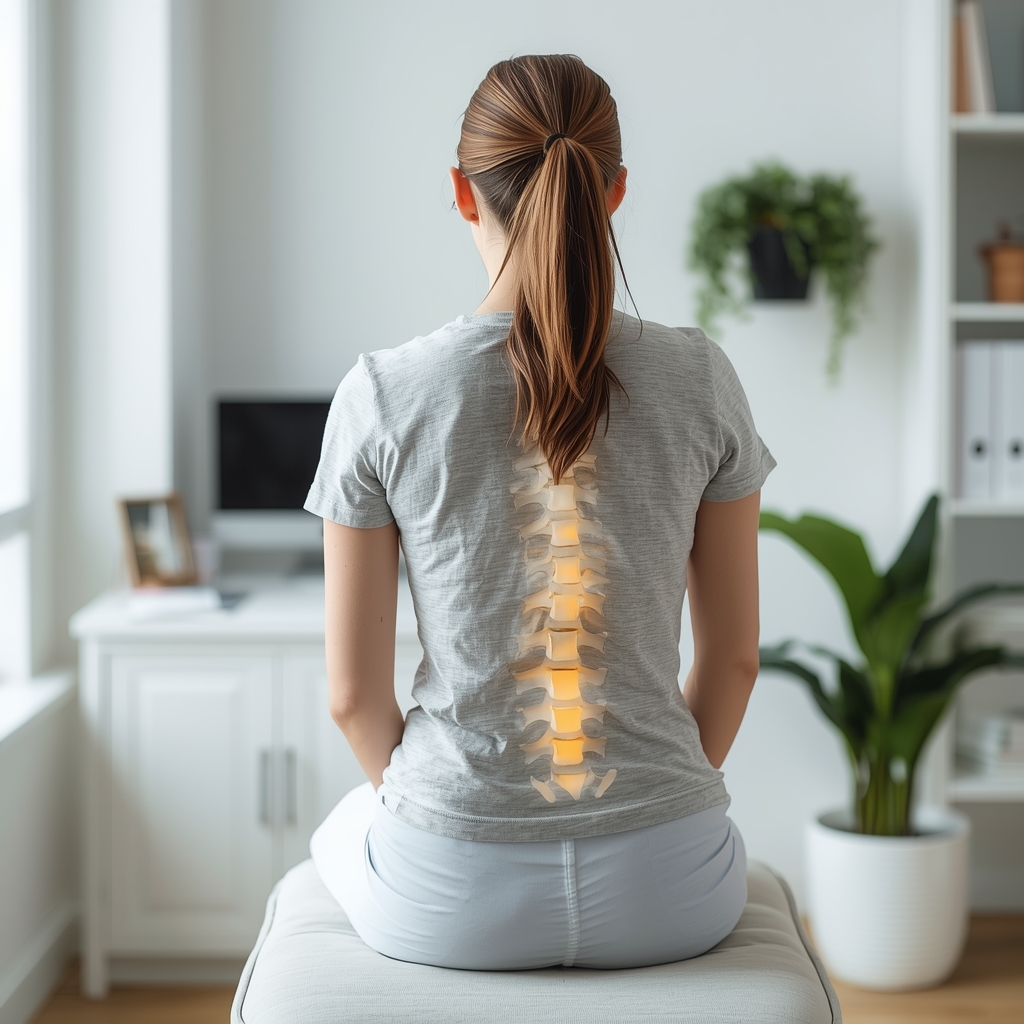
Understanding Adult Scoliosis and Its Impact
Scoliosis in adults refers to an abnormal lateral curvature of the spine, often developing from untreated childhood cases or age-related degeneration. Unlike pediatric scoliosis, adult cases may involve additional complications like disc degeneration or nerve compression. Symptoms can include chronic back pain, reduced mobility, and postural imbalances. While severe cases may require surgery, many adults find relief through non-invasive approaches. Chiropractic care is increasingly explored as a complementary option, focusing on symptom management and improving functional outcomes. It’s important to note that treatment plans should be tailored to individual needs, as scoliosis varies in severity and underlying causes.
Chiropractic Techniques for Scoliosis Management
Chiropractors use a range of techniques to address scoliosis, emphasizing gentle adjustments and holistic care. Spinal manipulation aims to reduce pressure on nerves and improve alignment, though it’s not a cure for structural curvature. Soft tissue therapies, such as myofascial release, can alleviate muscle tension contributing to pain. Some practitioners incorporate instrument-assisted techniques for precision, while others focus on posture correction. These methods are often combined with rehabilitative exercises to strengthen core muscles and support spinal stability. While results vary, many patients report improved comfort and mobility with consistent care. Always consult a licensed chiropractor to determine the most suitable approach for your condition.
How Chiropractic Care Enhances Quality of Life
By addressing pain and mobility issues, chiropractic care can significantly enhance daily functioning for adults with scoliosis. Reduced pain levels may allow for greater physical activity, which in turn supports overall health. Improved posture and alignment can also alleviate secondary issues like headaches or fatigue. Many patients find that regular adjustments help them avoid reliance on pain medications, promoting a more active lifestyle. Additionally, chiropractors often provide guidance on ergonomics and exercise, empowering individuals to manage their symptoms independently. While chiropractic care doesn’t reverse spinal curvature, it can foster a sense of control over one’s health, contributing to emotional well-being and confidence in daily tasks.
Safety Considerations for Adult Scoliosis Care
Chiropractic care for scoliosis is generally safe when performed by a qualified professional, but it’s crucial to disclose your full medical history. Certain techniques may not be suitable for individuals with severe osteoporosis or spinal instability. A thorough evaluation, including imaging if needed, helps identify risks and tailor the approach. Patients should seek practitioners experienced in adult scoliosis to avoid unnecessary strain on the spine. While rare, complications like temporary discomfort or muscle soreness can occur. Always prioritize communication with your chiropractor to ensure adjustments are comfortable and effective. Safety remains the top priority, and care plans should evolve based on your progress and feedback.
The Role of Patient Engagement and Follow-Up
Successful outcomes in chiropractic scoliosis management depend on active patient participation. Regular visits allow for ongoing assessment and adjustments to the treatment plan. Patients are often encouraged to perform specific exercises at home to reinforce spinal stability and flexibility. Open dialogue with your chiropractor about symptoms, improvements, or concerns ensures care remains aligned with your needs. Consistency is key, as results may develop gradually over time. Avoiding risky behaviors, such as heavy lifting or poor posture, complements professional care. By maintaining a collaborative relationship with your provider, you can optimize the benefits of chiropractic interventions and sustain long-term improvements in comfort and function.
Consulting a Qualified Chiropractor for Personalized Care
Each adult with scoliosis has unique needs, making it essential to work with a chiropractor who specializes in spinal conditions. A thorough initial consultation typically includes a physical exam, review of medical history, and possibly imaging to understand the curvature’s extent. Based on this, a customized plan may blend adjustments, soft tissue work, and rehabilitative strategies. Avoiding one-size-fits-all approaches ensures safer, more effective care. Patients should feel empowered to ask questions about techniques, expected outcomes, and potential risks. By choosing a reputable provider and maintaining open communication, adults with scoliosis can explore chiropractic options with confidence, knowing their care is tailored to their specific situation and goals.












