
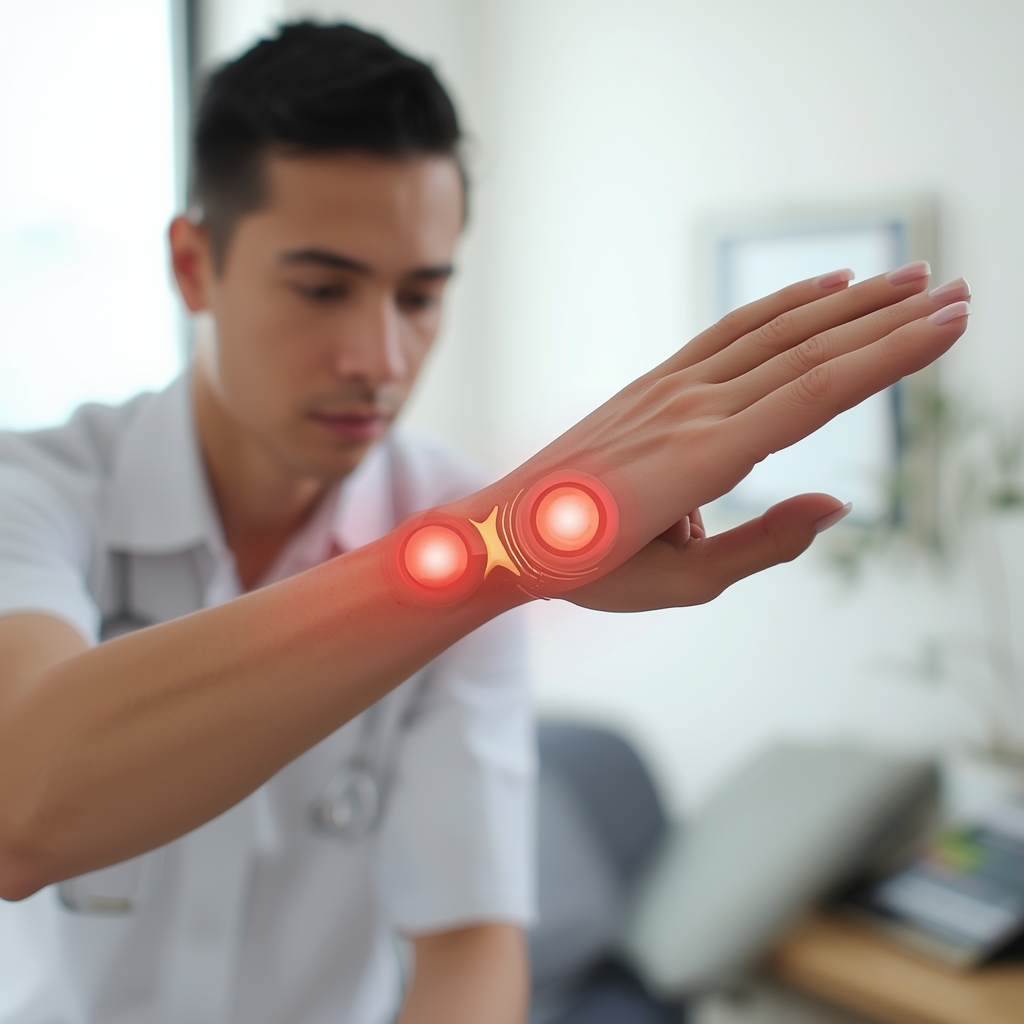
Understanding Carpal Tunnel Syndrome and Chiropractic Care
Carpal tunnel syndrome (CTS) occurs when the median nerve, which runs from the forearm to the hand, becomes compressed at the wrist. This can cause pain, numbness, and weakness in the hand and fingers. While surgery is an option for severe cases, many patients seek non-surgical alternatives. Chiropractic care focuses on addressing the root causes of CTS through manual adjustments, soft tissue therapy, and ergonomic guidance. By improving spinal alignment and reducing nerve pressure, chiropractors aim to alleviate symptoms without invasive procedures. This approach emphasizes holistic, patient-centered solutions that may complement other treatments. Understanding these techniques can help individuals make informed decisions about their care.
Spinal Adjustments and Nerve Function
Spinal adjustments are a cornerstone of chiropractic care for CTS. Misalignments in the cervical or thoracic spine can contribute to nerve compression, exacerbating symptoms. By gently realigning the vertebrae, chiropractors may reduce pressure on the median nerve and improve overall nerve function. This technique is often combined with other methods to address both local and systemic factors. Patients frequently report reduced pain and improved mobility after a series of adjustments. However, results vary, and a chiropractor will tailor the approach to individual needs. Spinal adjustments are generally safe when performed by a licensed professional, making them a viable option for those seeking non-surgical relief.
Soft Tissue Therapy and Myofascial Release
Soft tissue therapy, including myofascial release, targets the muscles and connective tissues surrounding the wrist and forearm. Tightness in these areas can worsen CTS symptoms by increasing pressure on the median nerve. Chiropractors use techniques like massage, stretching, and instrument-assisted therapy to relax tense muscles and improve blood flow. This can reduce inflammation and enhance wrist flexibility. Many patients find that regular soft tissue sessions complement spinal adjustments, offering more comprehensive relief. While not a standalone cure, this approach helps manage pain and prevent further complications. A qualified chiropractor can design a personalized plan to address specific muscle imbalances and promote healing.
Ergonomic Adjustments and Posture Correction
Ergonomic modifications play a critical role in managing CTS. Poor posture, repetitive motions, and improper workspace setup can strain the wrist and exacerbate symptoms. Chiropractors often assess a patient’s daily habits and recommend adjustments, such as ergonomic keyboards or wrist supports. They may also address postural issues in the neck and shoulders, as these can indirectly affect nerve function. By optimizing body mechanics, patients can reduce the risk of symptom recurrence. These changes are often part of a broader strategy that includes manual therapies. Consistent application of ergonomic principles can lead to long-term improvements in comfort and functionality.
Therapeutic Exercises and Strengthening Programs
Chiropractors frequently prescribe therapeutic exercises to strengthen the muscles around the wrist and improve flexibility. These may include stretching routines, resistance training, and coordination drills. Strengthening the forearm and hand muscles can reduce the load on the median nerve, alleviating pressure and discomfort. Patients are often guided through these exercises during visits and encouraged to practice them at home. Consistency is key, as regular movement helps maintain progress and prevent stiffness. While not a substitute for manual treatments, these exercises support overall recovery. A chiropractor will customize the program based on the patient’s condition and lifestyle.
Cold Laser Therapy and Nerve Healing
Cold laser therapy, also known as low-level laser therapy (LLLT), is a non-invasive technique used to reduce inflammation and promote nerve healing. This therapy uses specific wavelengths of light to stimulate cellular function and improve blood flow to the affected area. Some studies suggest it may help alleviate CTS symptoms by decreasing swelling and enhancing nerve regeneration. Chiropractors may incorporate cold laser therapy into treatment plans alongside other methods. It is generally painless and requires multiple sessions for optimal results. While not a guaranteed solution, many patients report reduced pain and improved hand function. As with all treatments, it should be discussed with a qualified provider to ensure safety and appropriateness.












