
Non-Surgical Approaches for Rotator Cuff Tear Recovery
Rotator cuff tears often prompt discussions about surgical versus non-surgical options. For many patients, conservative care—combining chiropractic and physical therapy—offers viable alternatives. These approaches focus on reducing pain, restoring mobility, and strengthening the shoulder’s supporting structures. While surgery may be necessary for severe cases, non-surgical methods are frequently recommended for partial tears or when patients prefer to avoid invasive procedures. Chiropractors and physical therapists collaborate to address biomechanical imbalances, inflammation, and muscle weakness. This integrated strategy emphasizes personalized care, ensuring treatments align with the patient’s unique condition and goals. Always consult a qualified provider to determine the best path for your recovery.
Spinal Adjustments and Shoulder Mechanics
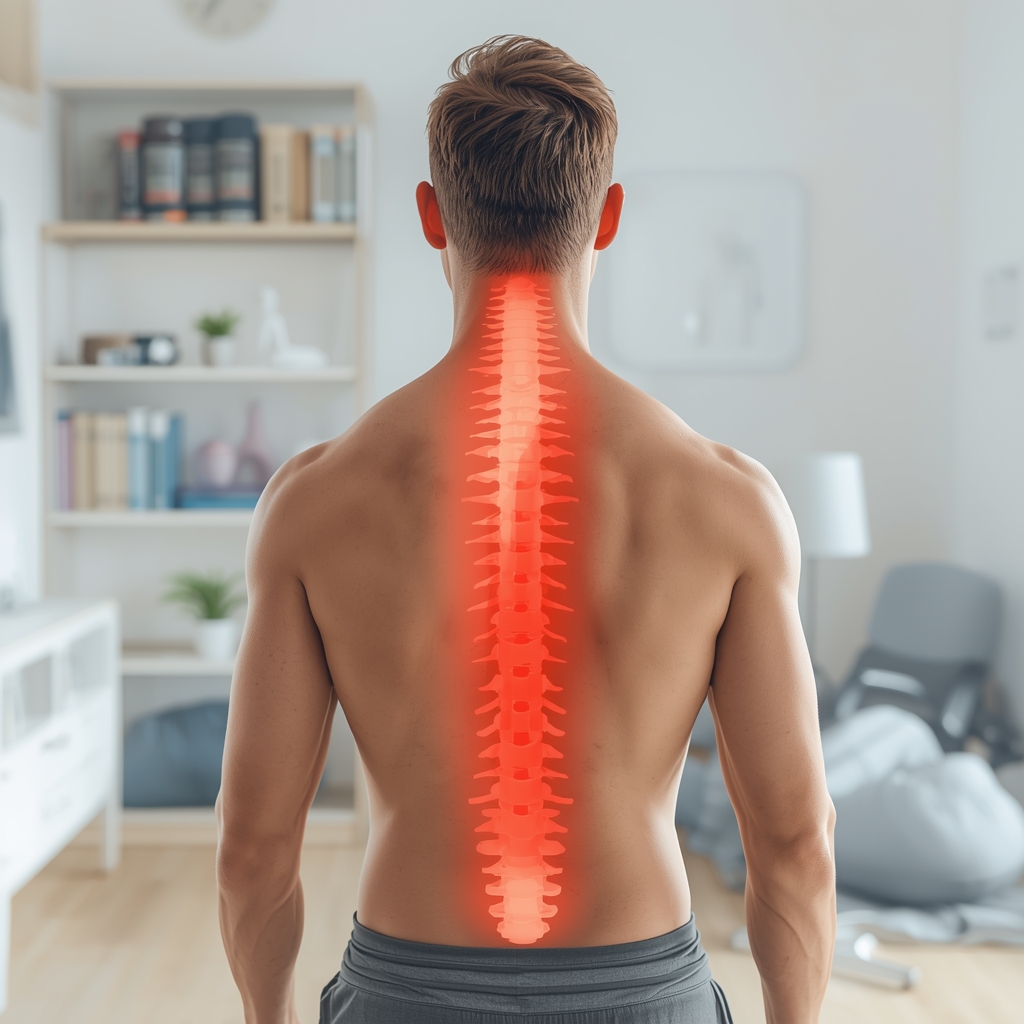
Chiropractic adjustments can play a critical role in rotator cuff recovery by addressing spinal and joint misalignments that contribute to shoulder dysfunction. The cervical and thoracic spine’s health directly impacts nerve function and musculoskeletal balance, which are vital for shoulder stability. By correcting subluxations, chiropractors may alleviate referred pain and improve range of motion. However, adjustments alone are rarely sufficient. They are most effective when paired with targeted physical therapy to strengthen the rotator cuff muscles and surrounding tissues. This combined approach helps reestablish proper biomechanics, reducing strain on the injured area. Patients often report improved comfort and functionality after consistent, coordinated care.
Soft Tissue Therapies for Scar Tissue and Muscle Imbalances
Soft tissue therapies like Active Release Technique (ART) and Graston Technique are commonly used to address scar tissue formation and muscle imbalances following a rotator cuff tear. These methods involve manual manipulation to break down adhesions and restore normal tissue elasticity. By improving blood flow and reducing tension, such therapies can enhance healing and prevent long-term stiffness. Physical therapists often incorporate these techniques into rehabilitation plans to complement exercises that rebuild strength. While not a standalone solution, soft tissue work supports broader recovery goals by addressing structural restrictions. Patients should work with trained professionals to ensure these therapies are applied safely and effectively.
Corrective Exercises for Rotator Cuff Strengthening
Physical therapy exercises tailored to the rotator cuff are essential for restoring strength and stability. These include resistance training, isometric exercises, and functional movements designed to engage the shoulder’s deep stabilizers. Chiropractors often refer patients to physical therapists who specialize in musculoskeletal rehabilitation. A typical program might involve bands, weights, or bodyweight exercises to gradually rebuild muscle integrity. Consistency is key, as progressive overload helps prevent re-injury. When combined with chiropractic care, these exercises can optimize outcomes by ensuring proper alignment and movement patterns. Patients should avoid overexertion and follow their therapist’s guidance to avoid setbacks.
Integrating Chiropractic and Physical Therapy for Holistic Care
The synergy between chiropractic and physical therapy lies in their complementary goals: chiropractic addresses structural and nervous system function, while physical therapy focuses on movement and strength. For rotator cuff tears, this integration allows for a more comprehensive recovery plan. A chiropractor might adjust the spine and shoulder girdle to improve nerve signaling, while a physical therapist designs a program to restore mobility and endurance. Regular communication between providers ensures treatments align and avoid conflicting approaches. This collaborative model can lead to faster recovery times and reduced reliance on pain medication. Patients benefit from a multidisciplinary approach that addresses both the root causes and symptoms of their condition.
When to Seek Professional Guidance
While non-surgical options are promising, they are not universally applicable. Individuals with complete tears, severe pain, or significant functional limitations should consult a specialist to evaluate surgical needs. Chiropractors and physical therapists can help assess the severity of a rotator cuff tear and recommend appropriate interventions. Early intervention often yields better results, as delayed treatment may lead to compensatory patterns that complicate recovery. Patients should seek care from licensed professionals experienced in shoulder rehabilitation. Open communication with healthcare providers ensures that treatment plans evolve with the patient’s progress, maximizing the chances of a successful outcome.












