
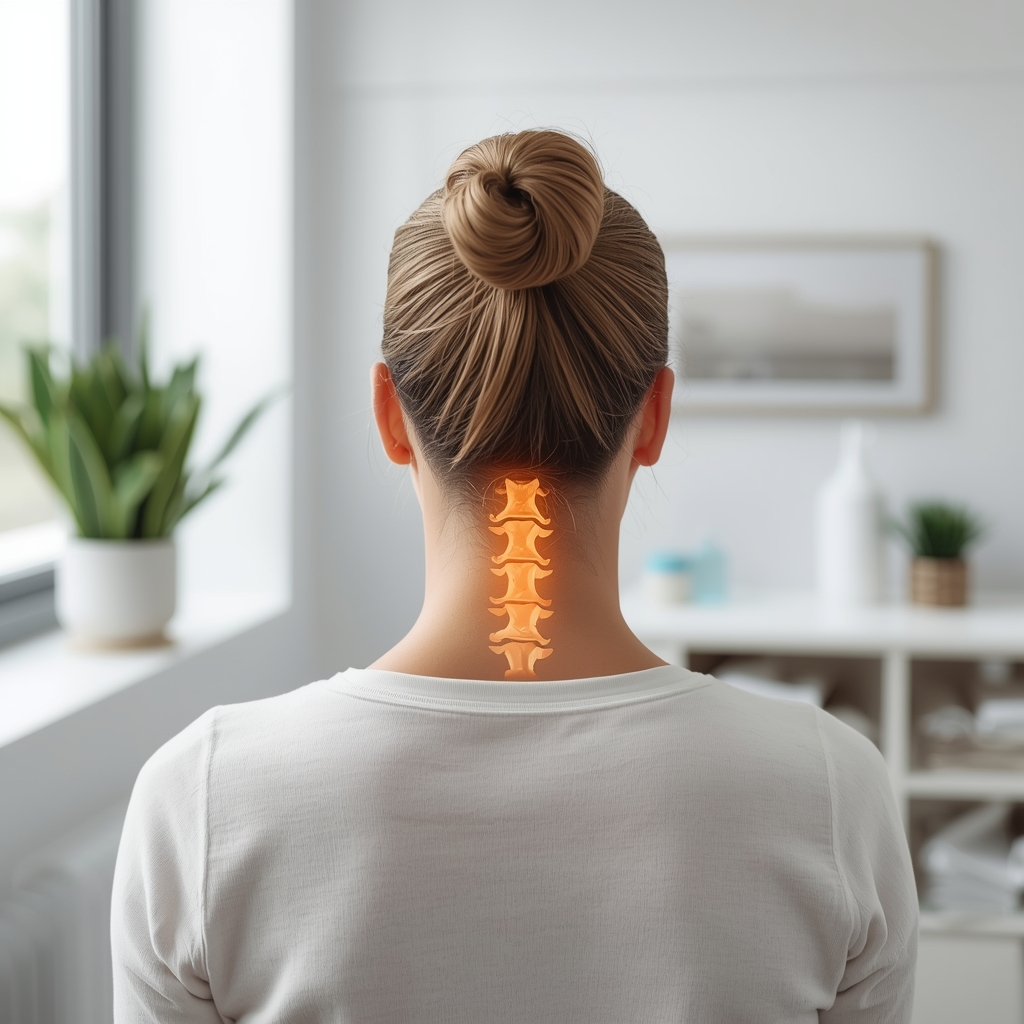
Understanding Cervicogenic Vertigo and Cervical Spine Connections
Cervicogenic vertigo, a type of dizziness linked to cervical spine issues, often stems from dysfunction in the neck’s joints, muscles, or nerves. The cervical spine’s complex structure, including vertebrae, discs, and nerve pathways, plays a critical role in balance and spatial orientation. When misaligned or inflamed, these structures can disrupt signals between the neck and the brain, leading to vertigo. While common causes like whiplash or degenerative changes are well-documented, less explored connections include subtle musculoskeletal imbalances or referred pain patterns. Understanding these links helps clinicians identify non-ear-related sources of dizziness, emphasizing the need for targeted cervical assessments to guide treatment.
Key Cervical Spine Assessments for Diagnosis
Chiropractors and healthcare providers use specific evaluations to pinpoint cervical spine contributions to vertigo. These include range-of-motion tests, palpation for tenderness, and neurological screenings. For example, the cervical distraction test may alleviate dizziness, suggesting a spinal component. The Spurling’s test checks for nerve compression, while the vertebral artery test assesses blood flow through the neck. These assessments help differentiate cervicogenic vertigo from other causes, such as inner ear disorders. By focusing on the cervical spine’s structural and functional integrity, practitioners can develop personalized plans to address the root issue, avoiding generalized approaches that may miss subtle dysfunctions.
The Role of Cervical Range of Motion Testing
Assessing cervical range of motion (ROM) is crucial in diagnosing cervicogenic vertigo. Restricted movement in the neck, particularly in rotation or lateral flexion, can indicate musculoskeletal restrictions or joint dysfunction. Patients often report dizziness worsening with certain neck positions, highlighting the connection between movement and balance. Chiropractors may use goniometers or visual estimation to measure ROM, comparing findings to normative data. Abnormalities here can signal underlying issues like facet joint irritation or muscle tightness. By identifying these limitations, practitioners can tailor adjustments or exercises to restore mobility, potentially reducing vertigo symptoms. This test also helps track progress over time, ensuring interventions address the specific needs of the cervical spine.
Neurological Evaluations and Reflex Assessments
Neurological exams complement cervical assessments by evaluating how spinal dysfunction affects the nervous system. Reflex tests, such as the jaw jerk or deep tendon reflexes, can reveal abnormalities in nerve signaling. Coordination tasks, like the finger-to-nose or heel-to-shin tests, assess cerebellar function, which is vital for balance. Additionally, assessing the vestibulo-spinal reflex—how the neck’s proprioceptors interact with the vestibular system—helps identify dysfunctions contributing to vertigo. These evaluations are non-invasive and provide insights into whether cervical issues are disrupting neural pathways. Integrating neurological findings with physical exams allows for a more comprehensive understanding of the patient’s condition, guiding precise treatment strategies.
Imaging and Diagnostic Tools in Cervical Assessment
Imaging techniques like X-rays, MRI, or CT scans may be used to visualize cervical spine structures and rule out severe pathologies. X-rays detect alignment issues or degenerative changes, while MRI provides detailed soft tissue views, such as disc herniations or nerve compression. However, these tools are typically reserved for cases where red flags—like trauma or neurological deficits—are present. Chiropractors often rely on clinical exams first, using imaging as a supplementary step. Advanced diagnostics, such as electromyography (EMG), may assess nerve function but are less common in routine evaluations. While imaging offers valuable insights, it’s essential to interpret results alongside patient history and physical findings to avoid over-reliance on static images.
Integrating Assessments with Chiropractic Treatment Plans
Once assessments identify cervical spine contributions to vertigo, chiropractors design treatment plans combining adjustments, soft tissue work, and rehabilitative exercises. Spinal manipulative therapy (SMT) aims to restore joint mobility, while techniques like activator or drop table adjustments may address specific dysfunctions. Soft tissue therapies, such as dry needling or massage, can relieve muscle tension exacerbating dizziness. Patients may also receive home exercises to improve posture and strengthen neck stabilizers. Regular reassessments track progress, ensuring interventions adapt to the patient’s evolving needs. By integrating diagnostic findings with tailored care, chiropractors address both symptoms and underlying causes, promoting long-term relief from cervicogenic vertigo.













