
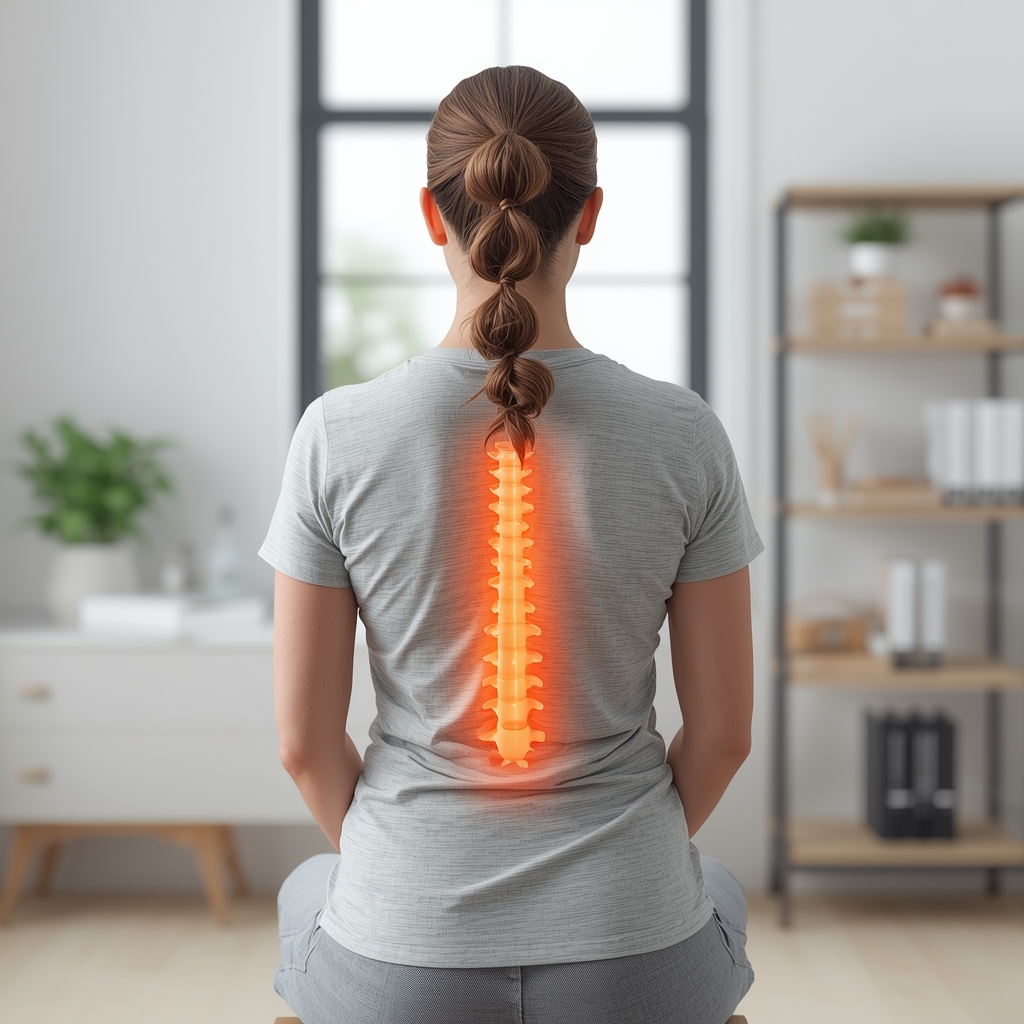
Myth: Chiropractic Can Completely Straighten the Spine
One persistent myth is that chiropractic care can fully correct scoliosis, returning the spine to a perfectly straight alignment. While chiropractors may help improve posture, reduce pain, and enhance mobility, scoliosis is a structural condition involving spinal curvature that often requires a multidisciplinary approach. Treatment goals typically focus on managing symptoms, preventing progression, and improving quality of life rather than achieving a “perfect” spine. Chiropractors emphasize that individual outcomes vary, and patients should work with their providers to set realistic expectations and explore complementary therapies like physical therapy or bracing when appropriate.
Myth: Chiropractic Only Treats Pain, Not the Underlying Condition
Some believe chiropractic care for scoliosis is solely about pain relief, not addressing the root cause. In reality, chiropractors consider the spine’s alignment and its impact on nervous system function, which can influence overall health. While pain management is a common goal, treatments may also aim to improve spinal mechanics, reduce pressure on nerves, and support the body’s natural healing processes. However, it’s crucial to recognize that chiropractic care is not a substitute for medical evaluations or interventions like imaging, bracing, or surgery in severe cases. Patients should view it as part of a broader care plan, not a standalone solution.
Myth: Chiropractic Isn’t Effective for Adults with Scoliosis
A common misconception is that chiropractic care is only beneficial for children or adolescents with scoliosis. In truth, adults can also experience relief from symptoms like back pain, stiffness, and reduced mobility through chiropractic adjustments. However, treatment approaches for adults may differ due to factors like bone density and existing spinal changes. Chiropractors tailor their methods to each patient’s needs, often combining adjustments with exercises, ergonomic advice, and lifestyle modifications. While results vary, many adults report improved function and quality of life. It’s important to consult a qualified provider to determine if chiropractic care aligns with individual health goals and medical history.
Myth: Scoliosis Treatment Is a Quick Fix
Some patients expect rapid results from chiropractic care for scoliosis, assuming it’s a “quick fix” for spinal curvature. In reality, scoliosis management is typically a long-term process requiring consistency and patience. Chiropractors often recommend ongoing visits, lifestyle adjustments, and exercises to support spinal health. While some individuals may notice improvements in pain or mobility relatively quickly, significant changes in curvature are rare and depend on factors like the severity of the condition, the patient’s age, and overall health. Setting realistic expectations and maintaining open communication with a chiropractor are key to navigating this journey effectively.
Myth: Chiropractic Is Only for Children
Another myth is that chiropractic care for scoliosis is exclusively for children and teenagers. While early intervention can be critical for managing adolescent idiopathic scoliosis, adults with scoliosis also benefit from chiropractic support. Adult-onset scoliosis or degenerative changes can cause pain and functional limitations, and chiropractors may help alleviate these issues through personalized care plans. However, treatment strategies for adults often differ, focusing on symptom management rather than preventing progression. Patients should discuss their specific needs with a chiropractor to determine if care is appropriate and how it can complement other medical or therapeutic approaches.
Myth: Chiropractic Lacks Scientific Backing
Some skeptics argue that chiropractic care for scoliosis lacks robust scientific evidence. While research on scoliosis treatments is ongoing, studies have explored the role of spinal manipulation, physical therapy, and exercise in managing symptoms. Chiropractors often rely on clinical experience and patient outcomes to guide care, alongside evidence-based practices. It’s important to note that scoliosis is a complex condition, and no single treatment works for everyone. Patients should approach chiropractic care with an open mind, while also consulting with medical professionals to ensure a comprehensive and safe treatment strategy tailored to their unique needs.














