
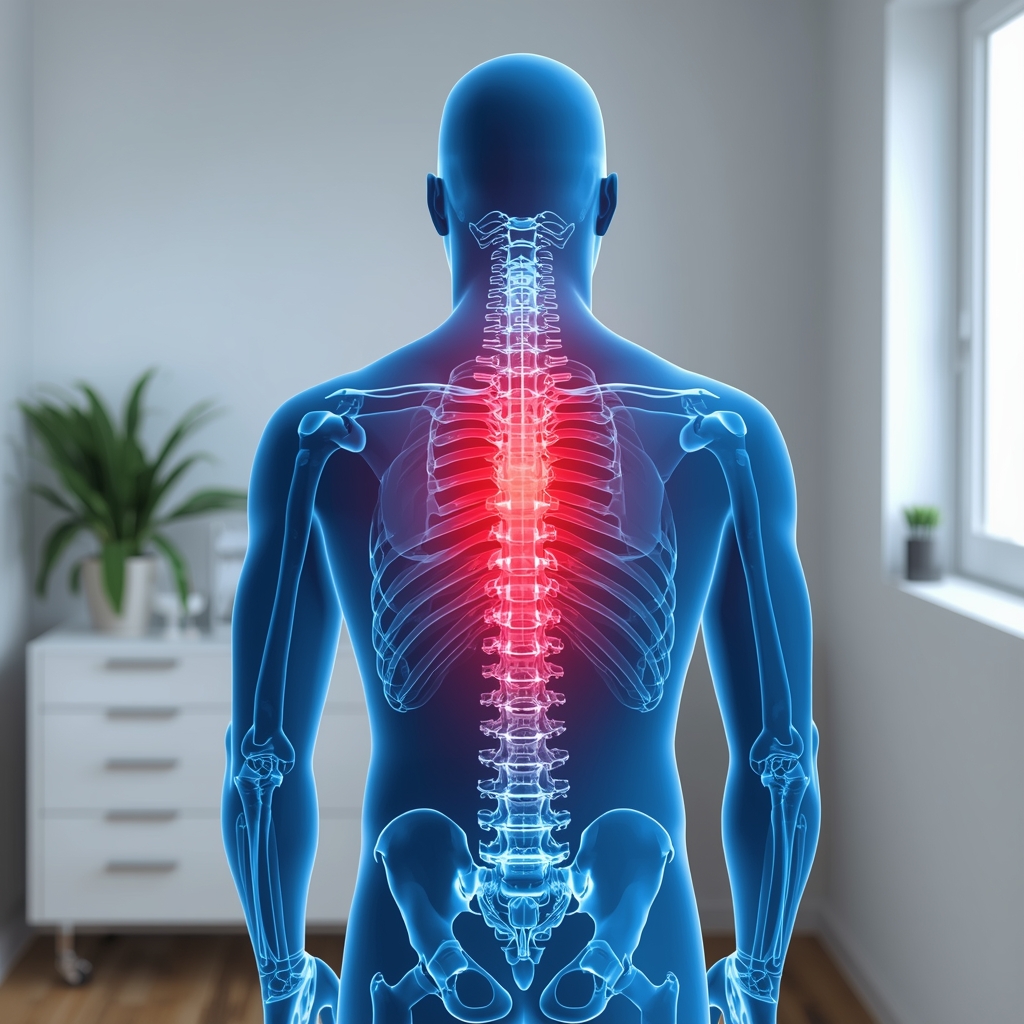
Emerging Research on Non-Opioid Pain Relief Strategies
Recent studies highlight the growing role of chiropractic care in addressing chronic pain without pharmaceutical intervention. Researchers emphasize that spinal manipulation, soft tissue therapies, and functional rehabilitation are increasingly recognized as viable alternatives to opioids. These approaches focus on restoring musculoskeletal balance and reducing inflammation, which may decrease reliance on medication. While specific statistics are not cited here, the broader medical consensus supports the value of non-invasive treatments in pain management. Chiropractors are now integrating evidence-based practices to tailor care plans that align with patient needs and safety standards.
Advancements in Spinal Manipulation Techniques
Modern chiropractic research explores refined spinal adjustment methods to enhance efficacy and precision. Techniques like diversified manipulation and instrument-assisted soft tissue therapy are being studied for their ability to alleviate pain and improve mobility. These methods aim to correct misalignments and reduce nerve irritation, which may contribute to chronic discomfort. Clinical trials suggest that patients often experience measurable improvements in pain levels and functionality. However, outcomes vary, and individualized assessment by a qualified provider remains critical. Continued research is essential to validate these techniques and expand their application in opioid alternative strategies.
Integration of Complementary Therapies
Chiropractors are increasingly combining traditional adjustments with complementary modalities such as cold laser therapy, electrical stimulation, and dry needling. These therapies target pain pathways and promote tissue healing without systemic side effects. For example, low-level laser therapy has shown promise in reducing inflammation and accelerating recovery. Similarly, neuromuscular re-education techniques help patients regain movement patterns disrupted by pain. While these approaches are not a substitute for medical evaluation, they offer adjunctive support for those seeking drug-free options. Collaboration between chiropractors and other healthcare providers ensures a holistic approach to pain management.
Clinical Applications in Opioid Alternative Programs
Healthcare systems are incorporating chiropractic care into opioid alternative programs, recognizing its role in reducing medication dependence. Patients with conditions like low back pain, osteoarthritis, and migraines often benefit from structured chiropractic interventions. These programs prioritize patient education, lifestyle modifications, and regular monitoring to achieve long-term pain relief. Chiropractors work alongside physicians to develop coordinated care plans, ensuring safety and efficacy. However, success depends on consistent follow-up and adherence to treatment protocols. As more evidence emerges, the integration of chiropractic services into mainstream pain management is likely to expand.
Evidence-Based Outcomes and Patient Safety
Systematic reviews of chiropractic interventions for pain relief highlight both benefits and limitations. While many patients report reduced pain and improved quality of life, outcomes depend on factors like condition severity and treatment consistency. Research underscores the importance of standardized protocols to ensure safety and effectiveness. Adverse events remain rare but are carefully monitored through ongoing studies. Patients are encouraged to discuss their options with licensed chiropractors to determine the best course of action. As the evidence base grows, these therapies may play an even greater role in addressing the opioid crisis through safe, patient-centered care.
Future Directions and Patient Considerations
The future of chiropractic research in drug-free pain relief lies in advancing personalized treatment strategies and expanding clinical trials. Innovations in diagnostic tools, such as advanced imaging and biomechanical analysis, may further refine interventions. Patients seeking alternatives to opioids should consult with qualified chiropractors to explore options tailored to their specific conditions. Open communication with healthcare providers ensures that all treatment approaches are aligned with individual health goals. While the field continues to evolve, the emphasis remains on safe, effective, and sustainable pain management solutions that empower patients to take an active role in their recovery.













