
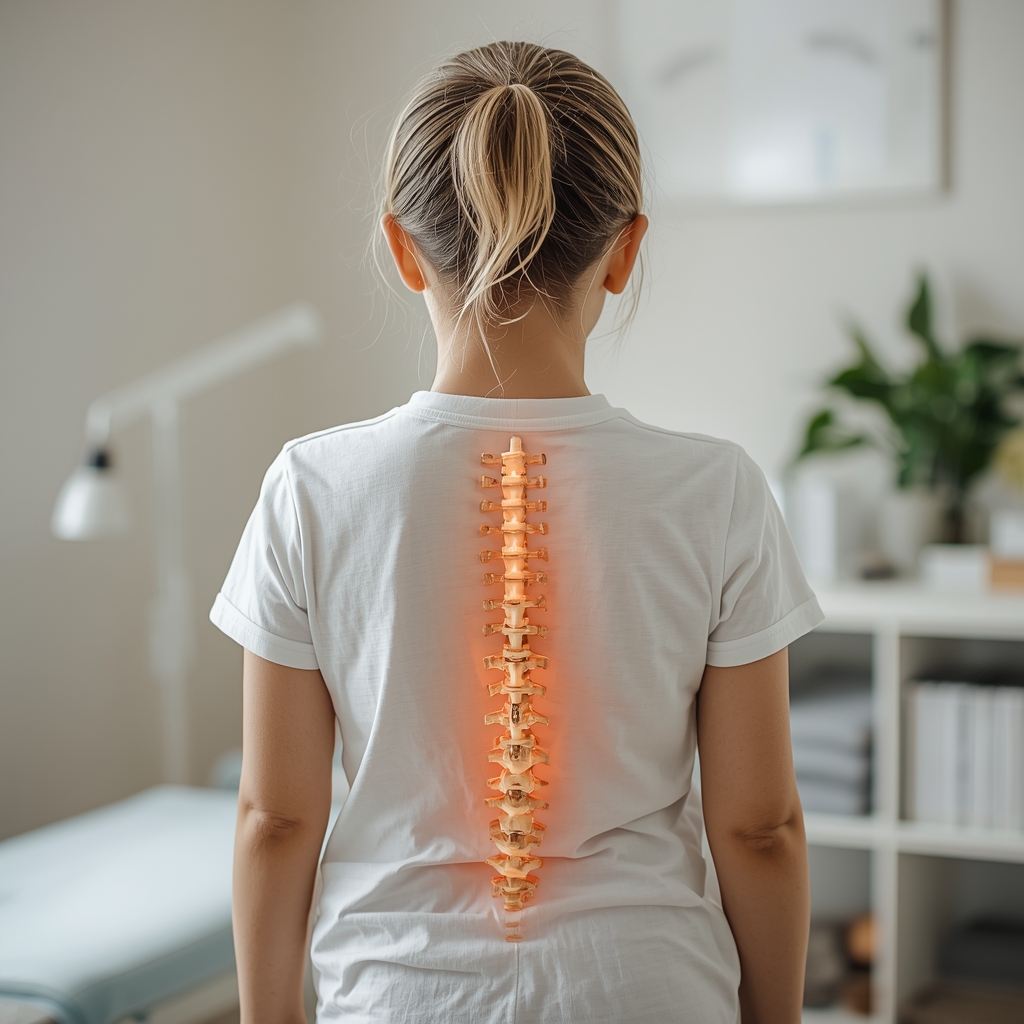
Understanding Scoliosis in Children
Scoliosis is a spinal condition characterized by an abnormal lateral curvature, often diagnosed in children and adolescents. While mild cases may require monitoring, more severe instances can impact posture, mobility, and overall quality of life. Chiropractic care for children focuses on gentle, non-invasive methods to support spinal alignment and prevent progression. Unlike adult treatments, pediatric approaches prioritize growth considerations, ensuring interventions are safe for developing bodies. Early intervention is key, as the spine is more malleable in younger patients. Parents should consult a qualified chiropractor with experience in pediatric care to explore options tailored to their child’s needs.
Non-Invasive Techniques for Pediatric Scoliosis
Chiropractors often use gentle adjustments, soft tissue therapies, and corrective exercises to address scoliosis in children. These methods aim to improve spinal flexibility and reduce curvature without surgery. For example, low-force techniques like the Webster technique or activator methods are commonly employed to minimize discomfort. Physical therapy exercises, such as specific stretches and postural training, may also be recommended to strengthen core muscles and support spinal stability. The goal is to enhance the body’s natural ability to adapt while avoiding aggressive manipulations. These approaches are generally well-tolerated by children and can be integrated with other therapies, such as massage or hydrotherapy, for holistic care.
How Pediatric Treatments Differ from Adult Care
Chiropractic care for children with scoliosis differs significantly from adult treatments due to anatomical and developmental factors. Adult care often involves more forceful adjustments and longer-term management strategies, while pediatric care emphasizes gentle, growth-friendly interventions. For instance, children’s spines are still developing, so techniques avoid high-velocity thrusts that might stress growing bones. Instead, chiropractors focus on neuromuscular re-education and posture correction. Additionally, treatment plans for children may include regular monitoring to track curvature progression, whereas adults might prioritize pain relief and functional improvement. The emphasis on early, conservative care in pediatric cases reflects the body’s greater capacity for adaptation during childhood.
The Role of Spinal Adjustments in Children
Spinal adjustments for children with scoliosis are tailored to be safe and effective for their unique physiology. Chiropractors use specialized techniques that apply minimal force, ensuring the child’s comfort and reducing the risk of injury. These adjustments aim to restore proper spinal alignment, alleviate pressure on nerves, and improve overall mobility. For younger patients, the process is often combined with patient education to help them understand and participate in their care. Regular sessions may be recommended to maintain progress, with the frequency adjusted based on the child’s condition. While adjustments alone may not correct severe curves, they can complement other therapies and support the body’s natural healing processes. Parents should ensure their child’s chiropractor is certified in pediatric care to guarantee appropriate treatment.
Complementary Therapies and Holistic Approaches
Chiropractic care for pediatric scoliosis often incorporates complementary therapies to enhance outcomes. Physical therapy, for instance, strengthens muscles that support the spine, while occupational therapy may address postural habits. Nutritional guidance can also play a role, as proper diet supports bone health and overall growth. Some practitioners recommend activities like yoga or swimming to improve flexibility and core strength. Additionally, stress management techniques may help children cope with the emotional aspects of their condition. These approaches are typically used alongside spinal adjustments, creating a multidimensional strategy. It’s important for parents to work with a chiropractor who collaborates with other healthcare providers to ensure a coordinated, safe plan for their child’s development.
When to Seek Professional Guidance
Parents should consult a chiropractor if they notice signs of scoliosis, such as uneven shoulders, a tilted head, or one hip appearing higher than the other. Early detection allows for timely intervention, which is critical for managing curvature progression. A qualified chiropractor will perform a thorough evaluation, including posture analysis and possibly imaging, to determine the best course of action. While chiropractic care can be beneficial, it’s essential to rule out other conditions and determine if additional medical input—such as from an orthopedic specialist—is needed. For children with moderate to severe scoliosis, a multidisciplinary approach combining chiropractic, physical therapy, and, if necessary, bracing or surgery may be recommended. Regular follow-ups with a chiropractor can help monitor progress and adjust treatments as the child grows.















